



Chicago adds interagency signage, wayfinding
Designed to accommodate customers making rail-to-rail connections, as well as bus-to-rail connections.

Chicago’s Regional Transportation Authority (RTA), along with the Chicago Transit Authority (CTA), Metra, Pace and municipal partners, have collaborated to create a new system of wayfinding signage in stations and bus stops to make transferring between transit services easy, even for the novice transit customer.
The RTA’s new interagency signage and wayfinding program is designed to accommodate customers making rail-to-rail connections, as well as bus-to-rail connections. Destination options are clearly identified on complementary information panels conveniently located at decision points along the walking transfer path. The information panels provide several navigational tools including maps, route diagrams, and/or schedules to help customers get around the region’s transit system.
The signage project has been installed at four pilot sites in the region. The Downtown Connections Initiative at Union Station is a collaborative effort led by the RTA and builds upon the interagency signage design.
In conjunction with Metra, Amtrak and Burlington Northern Santa Fe Railway, signage was designed and installed by agency staffs to improve the quality and quantity of wayfinding information provided to passengers arriving at Chicago Union Station. The enhanced wayfinding signage complements the existing signage within the station and is intended to make it easier for Metra and Amtrak customers to reach their final downtown destinations by transit or walking.
Customers will find wayfinding signage along the walking transfer path to help direct them to their boarding area. Customers leaving from Union Station can choose their destinations from a list of major downtown Chicago attractions. The information panel lists the bus boarding areas and route numbers. Signage within Union Station directs the customer to the appropriate bus stop, as well. Bus boarding areas at all locations will be identified with a letter above the current bus stop sign.
RELATED ARTICLE: Check out, "Digital Signage Trends Take Hold for Transit."
More Bus
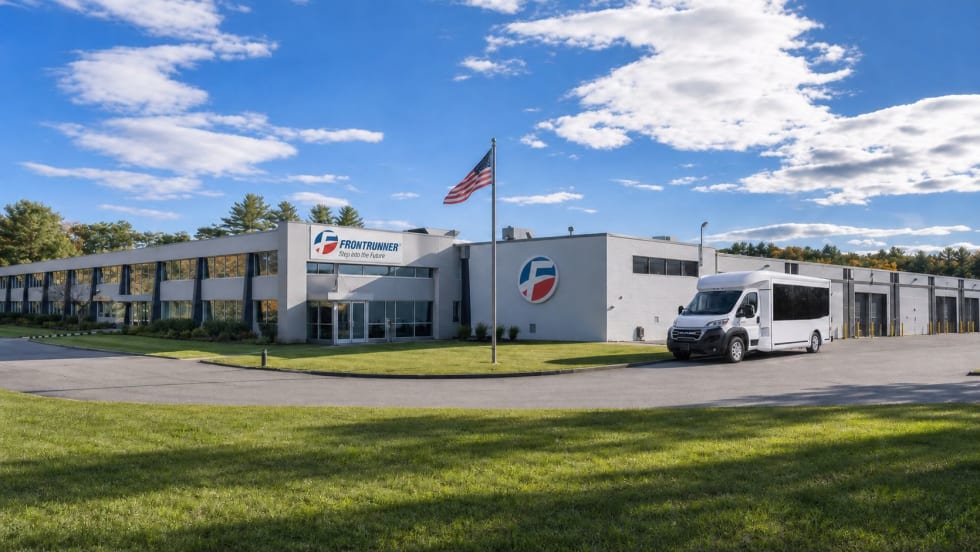
Frontrunner Bus Group Expands with New Massachusetts Headquarters
The significantly larger facility will provide the infrastructure needed to support the company’s growing workforce, advanced technologies, and expanding product line.
Read More →
Joshua Schank on Transportation Innovation, Risk, and the Future of Mobility
In this edition of METROspectives, Joshua Schank discusses lessons from launching LA Metro’s Office of Extraordinary Innovation, the challenges of advancing new mobility technologies, and much more.
Read More →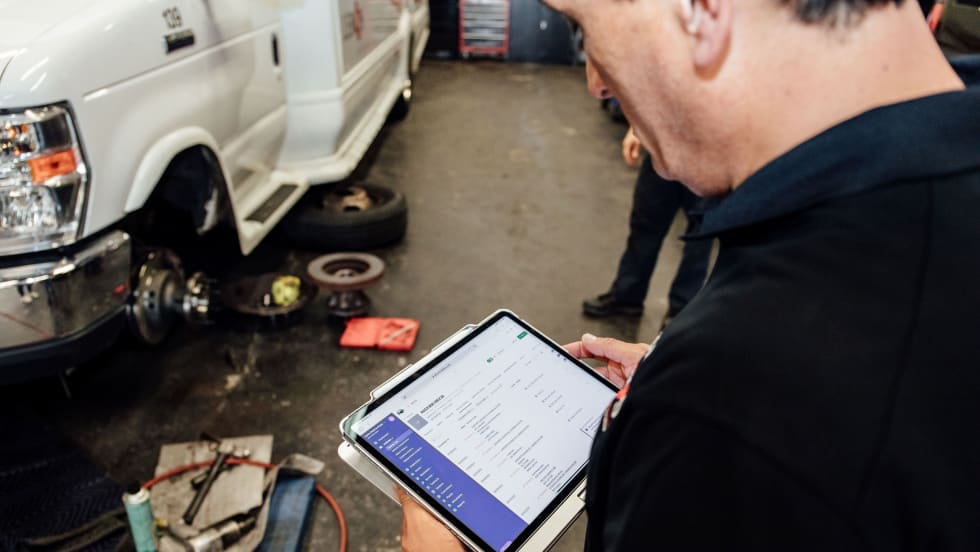
Reinventing Fleet Maintenance with Real-time Visibility and AI
Transit leaders need to know what needs fixing, where to look, who is responsible, when work is completed, and what it costs without having to chase information across disconnected systems.
Read More →
SamTrans Sets Priorities for Potential Connect Bay Area Revenue
The board-approved framework allocates future funding to maintaining service, rider improvements, equity initiatives, and infrastructure repairs.
Read More →
When Routine Fails: How Public Transit Must Adapt for the World Cup
The 2026 FIFA World Cup will test transit agencies’ ability to manage unpredictable travel patterns, making real-time data and operational flexibility critical to moving millions of visitors efficiently.
Read More →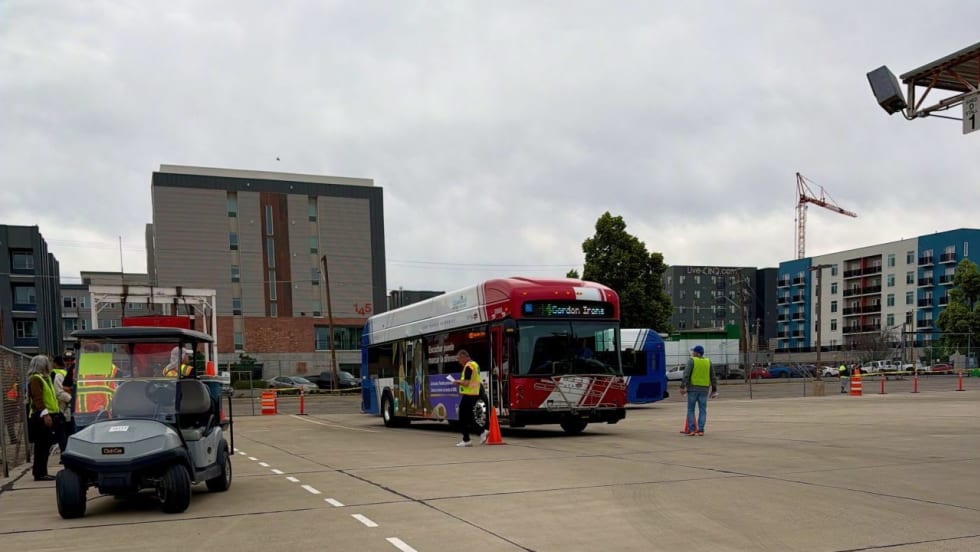
Photo Highlights from APTA's 2026 Mobility Conference
The photo gallery captures scenes from the conference, including the International Bus Roadeo, exhibit hall activities, the Bus Showcase, and much more.
Read More →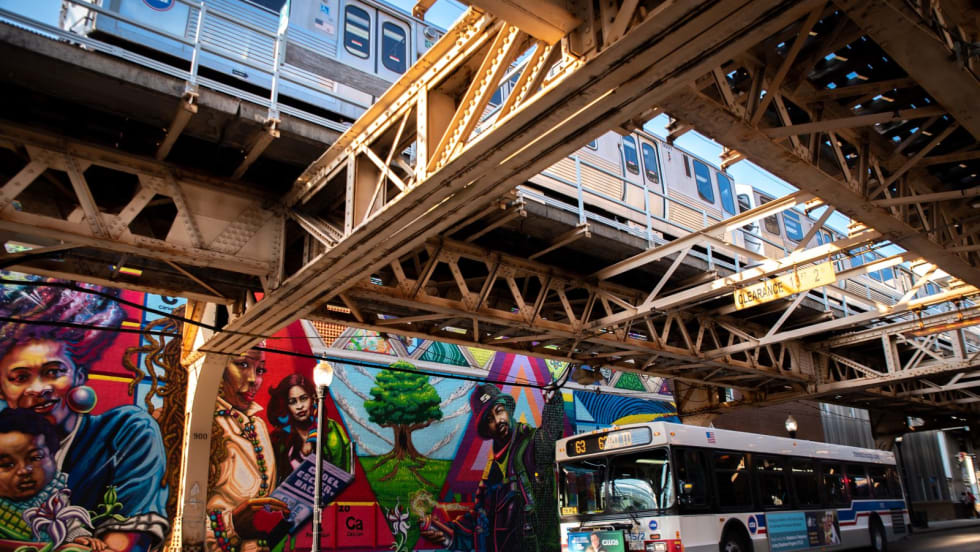
Chicago's NITA Act Moves Into Next Phase as Service Improvements Begin
Rider-focused improvements will begin rolling out across the system immediately as CTA, Metra, and Pace increase service this summer in the six-county region.
Read More →
Philadelphia's SEPTA Approves Annual Transit Service Plan
Between 2021 and 2024, SEPTA held more than 200 public meetings — including 144 in-person sessions — throughout the SEPTA service region.
Read More →
A True Low-Floor Minibus Design Delivers Better Accessibility and Efficiency for Everyone
As transit demands evolve, so should your fleet. Download the whitepaper to see how the Low-Floor Frontrunner Minibus compares to traditional options.
Read More →
WMATA Debuts 'Fares Pay for Service' Awareness Campaign
The campaign was highlighted during a media event at the Paul S. Sarbanes Transit Center in Silver Spring, where WMATA’s GM/CEO Randy Clarke joined Metro Transit Police officers, WMATA management team, board members, and staff to expand fare enforcement and customer education efforts on Metro Bus routes throughout the region.
Read More →