



Chicago to upgrade rail system's wireless network
Issued RFI bid to solicit responses from companies to determine the feasibility of implementing a modern cellular infrastructure system in the 11.4 miles of CTA’s Red and Blue line tunnels and underground facilities.

The Chicago Transit Authority (CTA) plans to upgrade the wireless communication network in its subways and underground facilities to increase the speed and reliability of its network, with the goal of ensuring that customers of all major wireless carriers will have continuous mobile phone service underground in all CTA subway tunnels.
As a first step, the CTA issued a Request for Information (RFI) bid to solicit responses from wireless telecommunication companies to determine the feasibility of designing, financing, installing, operating and maintaining a modern cellular infrastructure system in the 11.4 miles of CTA’s Red and Blue line tunnels and underground facilities.
“To be a world-class city, Chicago must have a world-class infrastructure, so that people can get around the city efficiently, safely, and productively,” said Mayor Rahm Emanuel. “CTA is investing in all aspects of its infrastructure, from rails to stations to wireless access and as the quality of the service continues to improve, I am confident more and more passengers will use the system to get to work and school and enjoy their lives.”
The four-week RFI bid is intended to gather information through an interactive and collaborative process with interested parties, which will help CTA determine the estimated project budget, requirements and timeline for implementation. This information will form the basis of the official Request for Proposals (RFP), which will be issued at a later date. CTA will ultimately seek a neutral-host partner that can serve all wireless carriers. The goal of both the RFI and the RFP will be to find a partner that can provide CTA customers with uninterrupted wireless service.
Under the proposed project, CTA would ultimately own the new network; however, respondents would be solely responsible for funding their proposed projects. In addition to building and operating a vendor neutral-host network — which will allow any wireless service provider to operate on the system — the selected vendor will also be responsible for managing and negotiating third-party license agreements with major wireless service providers. Fees generated from the third-party licenses would be split with the managing vendor and CTA.
The CTA currently owns and leases its subway cellular network to six major wireless service providers, which generates approximately $1.8 million in non-farebox revenue for the agency annually.
RELATED ARTICLE: Check out, "Ill. public transportation agencies fight conceal carry."
More Rail
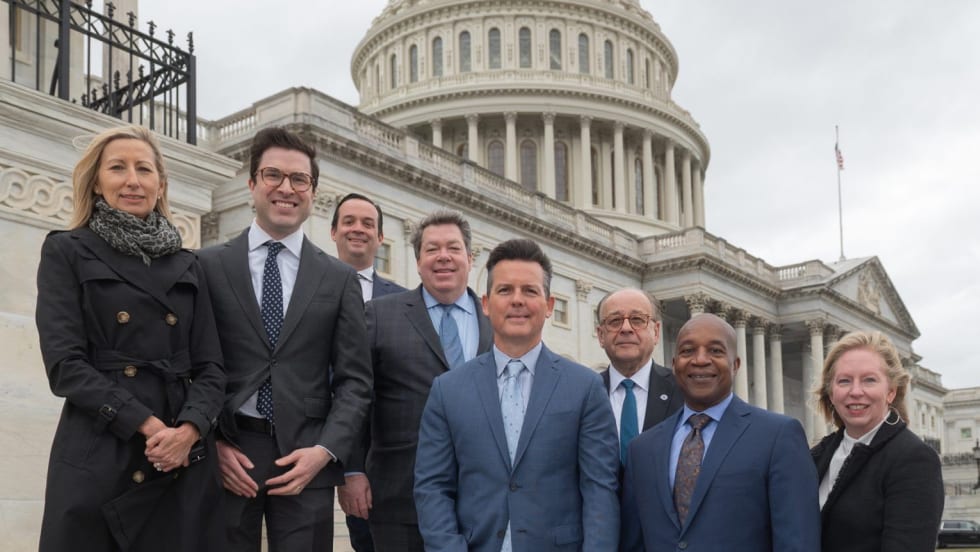
The Business Voice Behind Public Transportation
As chair of APTA’s Business Members Board of Governors, Ray Melleady explains how more than 850 business members are partnering with transit agencies to advance funding, innovation, and industry-wide collaboration.
Read More →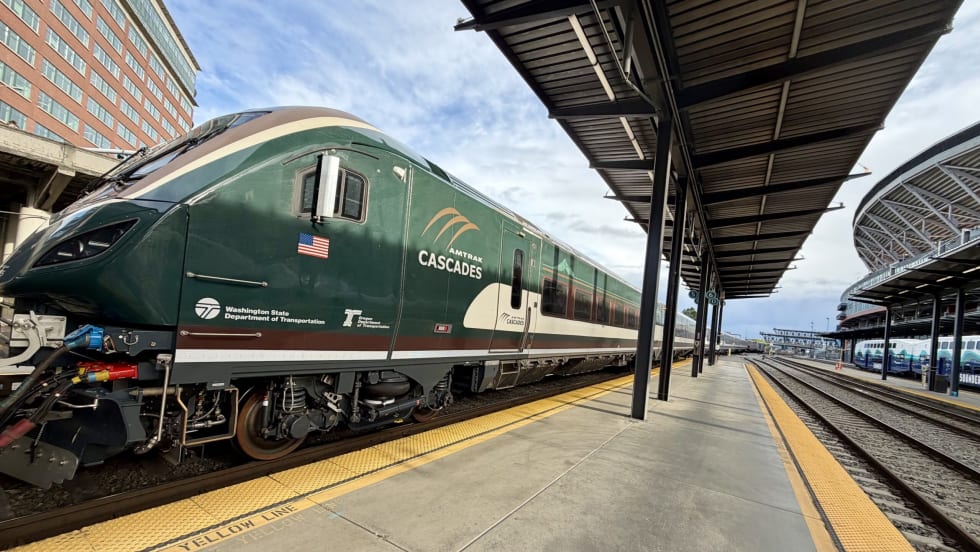
FRA Announces $5.3B in Rail Investments, Including $2B for Amtrak
Funding will support grade-crossing improvements, infrastructure upgrades, and new Amtrak equipment in 23 states.
Read More →
Finding the ‘Happy Medium’: Optimizing Maintenance Without Sacrificing Reliability
The key to maintenance optimization isn’t doing less work—it’s doing the right work at the right time on the right assets.
Read More →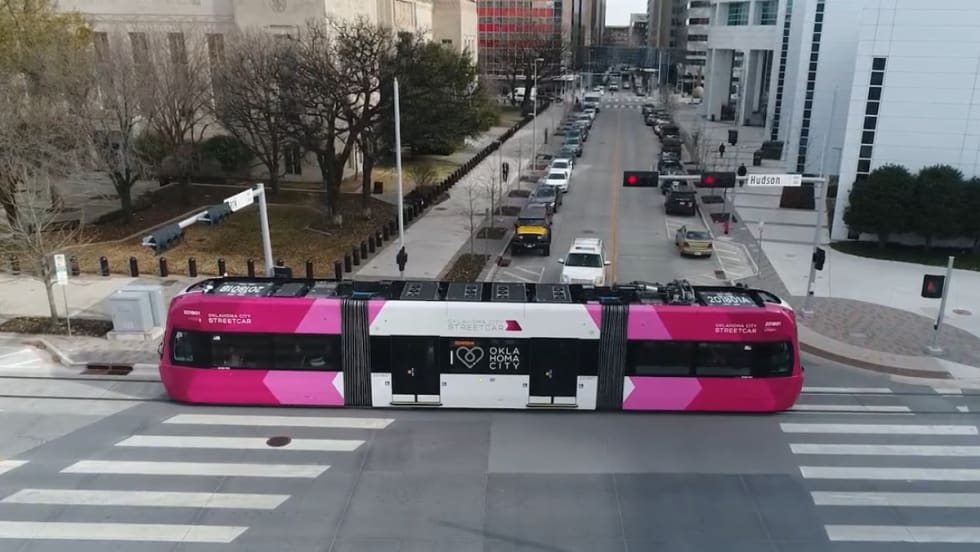
OKC Streetcar Makes Zero-Fare Service Permanent
Ridership increased an average of 71% compared with the same period a year earlier during the fare-free pilot.
Read More →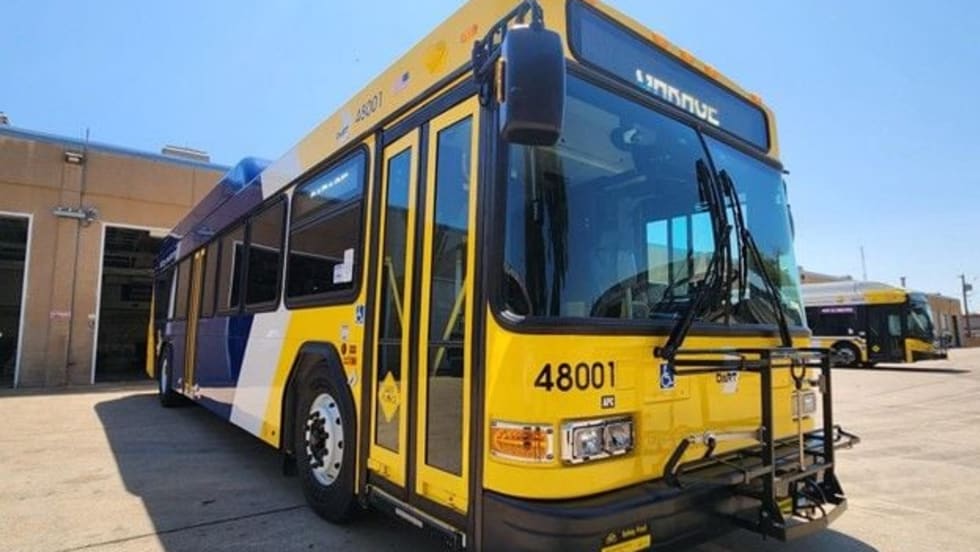
DART Customer Satisfaction Reaches Six-Year High
Overall satisfaction rose to 74.9%, while the agency’s Net Promoter Score reached a record 33.7.
Read More →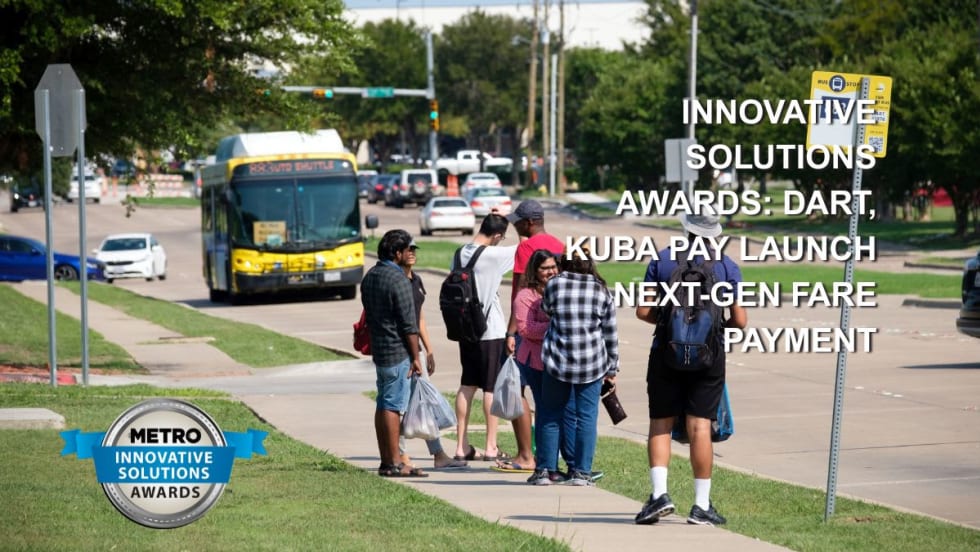
How DART's GoPass Is Redefining Regional Mobility
Serving 14 transit agencies, GoPass simplifies multimodal travel by allowing riders to plan, pay for, and manage an entire trip through one app.
Read More →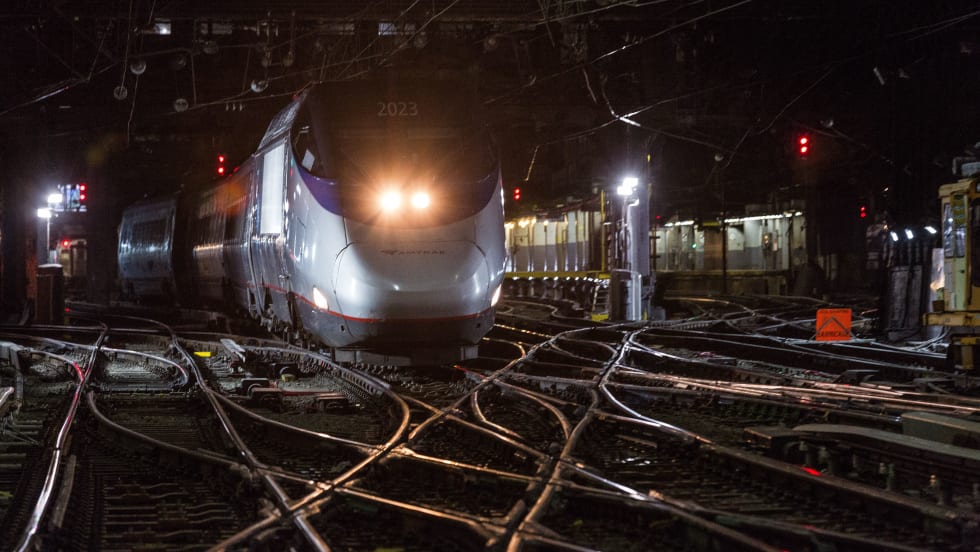
Amtrak Board Advances Plan to Restructure Organization, Seeks Public Input
The proposal, developed by Amtrak management and approved by the board for further consideration, is intended to modernize the organization's structure while improving accountability, operational efficiency, and customer service.
Read More →
Biz Briefs: STV teams with Amtrak, Motorcoach Operators Boost Fleet and Land Contracts, and More
From manufacturers and suppliers to transit agencies and motorcoach operators, these updates offer a snapshot of the projects, partnerships and business moves driving the industry forward.
Read More →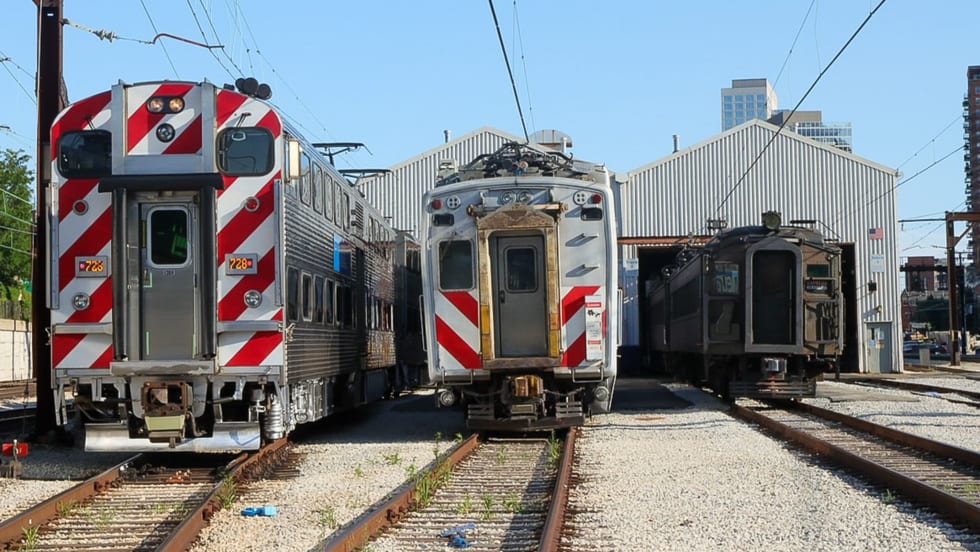
Metra Celebrates 100 Years of Electric Rail, Looks to the Future
The event was also a celebration of recent reforms to public transportation in the Chicago area, changes that could be as transformative in the future as the major civic achievement a century ago, said officials.
Read More →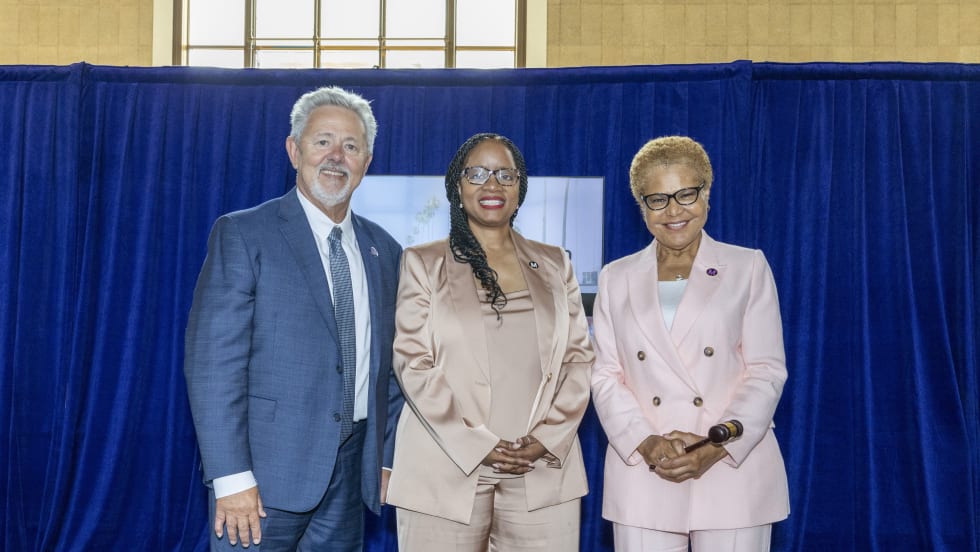
LA Metro Marks Banner Year, Sets Ambitious Goals for New Fiscal Year
Incoming LA Metro Board Chair and Los Angeles Mayor Karen Bass joined outgoing Board Chair Fernando Dutra and LA Metro CEO Stephanie Wiggins to review accomplishments from fiscal year 2026, which included the opening of new rail extensions, advancement of major transit projects, expanded safety programs, and new rider amenities.
Read More →