



Report assesses StarMetro's radial-to-grid system move
The research seeks to understand the effects of they agency's service restructuring on the transit agency and its performance as well as its impact on the community.

Researchers at the Mineta Transportation Institute (MTI) just completed an analysis of the issues and preliminary outcomes surrounding Tallahassee, Fla.-based StarMetro’s decision to restructure its bus network from a radial system to a grid system. The report could be useful for transit agencies or others contemplating a similar move.
“Analyzing the Effects of Transit Network Change in a Decentralized, Small-to-Mid-Sized U.S. Metropolitan Area on Agency Performance and Riders: A Case Study of Tallahassee, Florida” is available for free download.
The research, led by Principal Investigator Dr. Jeffrey Brown, seeks to understand the effects of the service restructuring on the transit agency and its performance; the effects of the service restructuring on transit riders and the larger community; and the roles, influence, and attitudes of important local stakeholders who engaged in the restructuring debate and shaped the restructuring itself.
“StarMetro changed its bus network in July 2011 from a radial to a grid system because local officials and agency leaders believed would better serve the dispersed local pattern of population and employment,” said Dr. Brown. “This major service change occurred literally overnight, but it followed several years of public discussion and debate about the future of public transit in the community. The change has been embraced by some people and opposed by others, which is expected given the dramatic and unprecedented system adjustments.”
Although the changes are still new, noted Dr. Brown, the research report’s short-term, or preliminary, results still offer important lessons to transit agencies, local officials, and transportation researchers regarding the consequences of major transit service changes for agencies and the community.
For example, overall ridership and productivity are lower than before the restructuring due to the short timeframe for rider adjustments and longer-than-anticipated headway. However, new ridership has appeared in previously unserved or underserved corridors and neighborhoods.
The restructuring also resulted in longer walks to bus stops because stops were removed from many neighborhoods and relocated to major roads. Overall, transit travel times are shorter due to more direct routing. No particular neighborhoods or community groups disproportionately benefited from or were harmed by the change.
A key takeaway from the study is that restructuring from a radial to a decentralized transit system can increase accessibility, if done right, but such a change requires careful attention to community concerns about route changes, stop locations, headways, access and safety.
In addition, a longer time horizon is needed to see the results of a major service restructuring such as this. The net result is a modest decline in ridership and in productivity to date. Nevertheless, most local observers feel that the changes represent a clear step forward for transit’s future in the community.
More Bus
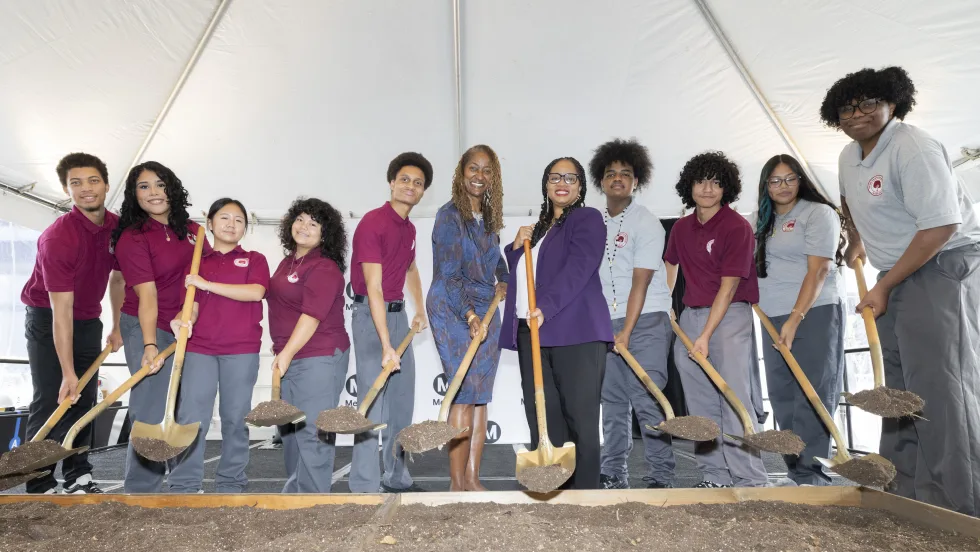
LA Metro Breaks Ground on Vermont BRT Project
The 12.4-mile corridor is projected to serve 66,200 daily riders, reduce travel times by up to 24%, and create the nation's busiest bus rapid transit corridor.
Read More →
Roman Cornell on ABC Companies’ Evolution and the Future of Passenger Transportation
The company’s CEO discusses carrying forward a third-generation family legacy, ABC’s continued evolution in passenger transportation, support for increasingly complex fleets, and how technology and continued investment could help operators improve uptime.
Read More →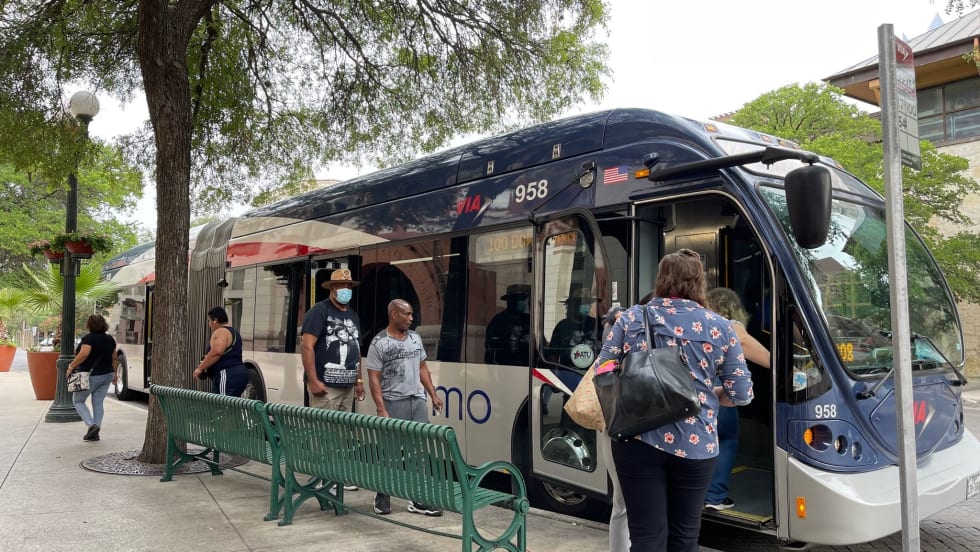
VIA Bus Ridership Grows 10.1% Through August 2026
San Antonio's VIA Metropolitan Transit reported the highest bus ridership growth among major Texas transit systems. Federal Transit Administration data ranked it second among the nation's 50 largest transit systems.
Read More →
LA Metro September Ridership Climbs 3.9%, Led by Rail Growth
The agency recorded more than 27.2 million boardings, with rail ridership increasing 12.4% year over year and the D Line posting the largest gains.
Read More →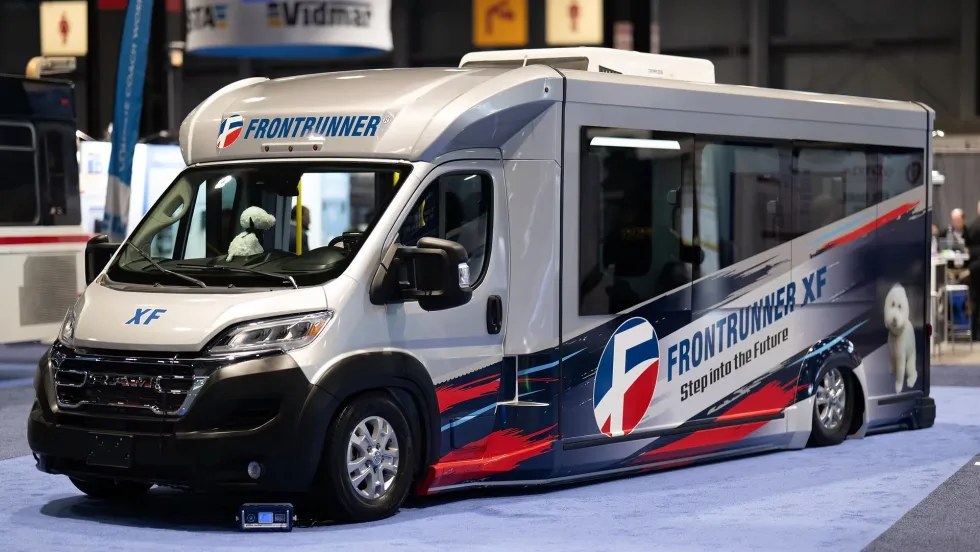
Frontrunner Bus Group Introduces XF Low-Floor Bus with Enhanced Accessibility
The new mid-sized bus features a full flat-floor design, eight-inch curbside step-in height, and zero-entry rear ramp to improve passenger access and operational flexibility.
Read More →
Scenes from APTA TRANSform & EXPO 2026
Transit leaders, manufacturers, and industry professionals gathered in Chicago to explore new technologies, share ideas, and discuss the future of public transportation.
Read More →
More Than a Summer Job: Building the Next Generation of Transit Talent
The Delaware River Port Authority and PATCO have transformed their internship program into a hands-on professional development experience that introduces students to the breadth of transportation careers — and creates a pipeline for future employees.
Read More →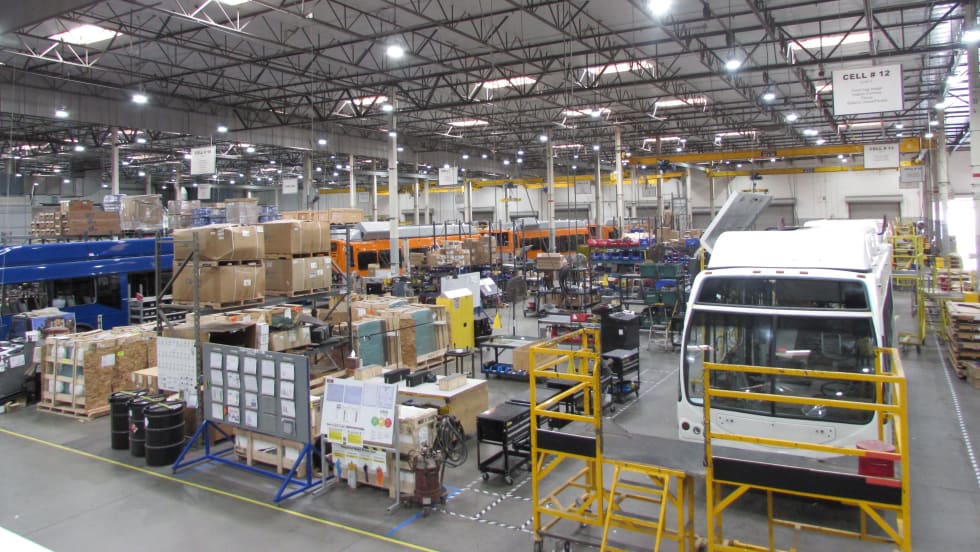
LA Metro Board Awards 220 Battery-Electric Bus Contract to ENC
The contract, which is the largest base award of battery-electric buses by a U.S. transit agency, will be built in Southern California, sustaining good jobs as LA prepares to welcome the world in 2028
Read More →
Public Transit Conference Returning to GFX in 2027, Call for Papers Now Open
The Call for Papers is now open, allowing transit agency professionals and industry experts to help shape the PTC educational program by submitting session ideas for consideration.
Read More →
Indian River Transit’s Community-Focused Approach Earns National Recognition
Named APTA’s 2026 Outstanding Public Transportation System in its size category, Florida’s Indian River County transit system continues to grow ridership through fare-free service and a focus on evolving community needs.
Read More →