



L.A. awards contract for rail corridor connecting LAX
Design-build contract for the Crenshaw/LAX Transit Corridor Project to Walsh/Shea Corridor Constructors (WSCC), with HNTB Corp. as lead designer.

The Los Angeles County Metropolitan Transportation Authority awarded the design-build contract for the Crenshaw/LAX Transit Corridor Project to Walsh/Shea Corridor Constructors (WSCC), with HNTB Corp. as lead designer. The Crenshaw/LAX Line will connect the existing Green Line with the Expo Line and integrate Los Angeles International Airport into the regional rail network.
Opening in 2018, the line will travel 8.5 miles and have eight new stations. HNTB’s design work will begin immediately, with major construction starting in 2014.
WSCC has partnered with the Los Angeles Urban League to achieve community-based coordination that meets Metro’s project labor agreement goals. Working with the community, WSCC’s outreach will focus on construction mitigation, public information, jobs, diversity, interactions with labor and innovative programs.
The project’s budget is $2.058 billion. It is one of 12 transit projects being funded by Measure R, a half-cent sales tax approved in 2008 by Los Angeles County voters. It will be the first design-build project under Measure R that Metro is leading.
Four firms submitted proposals for the contract to Metro. WSCC received the highest technical score and submitted the lowest cost bid. Members of the WSCC joint venture have delivered a combined 17 rail transit projects on time and under budget in the past five years. Firms selected for the team have collaborated on $6.3 billion worth of past projects.
More Management
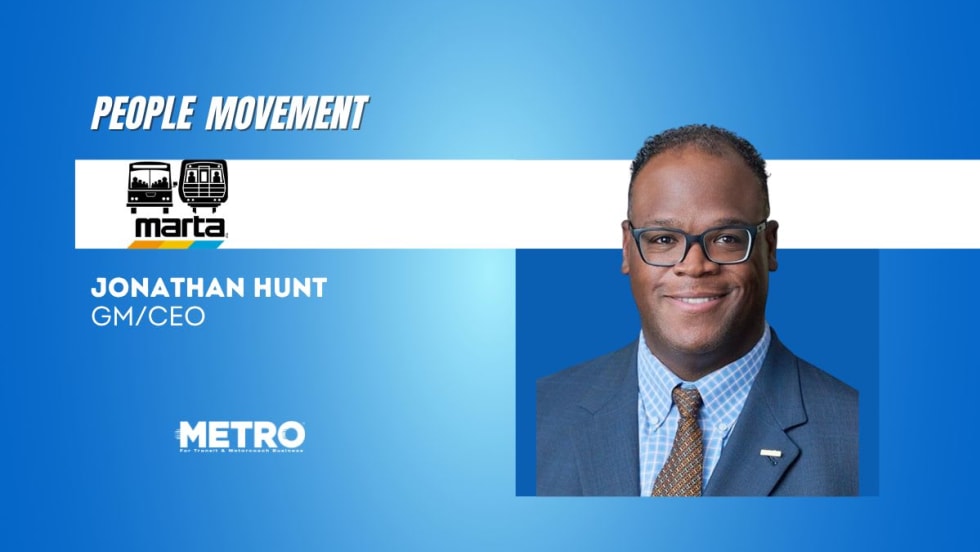
People Movement: MARTA Drops Interim Tag on GM/CEO Hunt and More
In this edition, METRO covers recent appointments and announcements at the FMCSA, HDR, SilverRide, and more, showcasing the individuals helping to shape the future of transportation.
Read More →
VIA Metropolitan Transit Reports 2 Million More Passenger Trips as Better Bus Plan Gains Momentum
San Antonio's transit agency said accelerated service improvements are driving ridership growth, offering another example of how increased frequency and workforce investments can translate into stronger transit performance.
Read More →
ABAF Study Reveals Growing Insurance Crisis for Motorcoach Operators
Preliminary findings show 98% of operators faced premium increases over the past five years, while shrinking insurer participation is putting added pressure on businesses and customers.
Read More →
PSTA Modernizes Workforce Management with Digital Bidding System
The award-winning Workforce Transit Modernization project replaced paper bidding with a transparent digital platform, cutting administrative effort while improving access for operators.
Read More →
Chicago to Host Public Transportation's Biggest Gathering at APTA TRANSform & EXPO 2026
North America’s largest public transportation gathering returns to Chicago, connecting transit decision-makers with the technologies, ideas, and partnerships driving the industry forward.
Read More →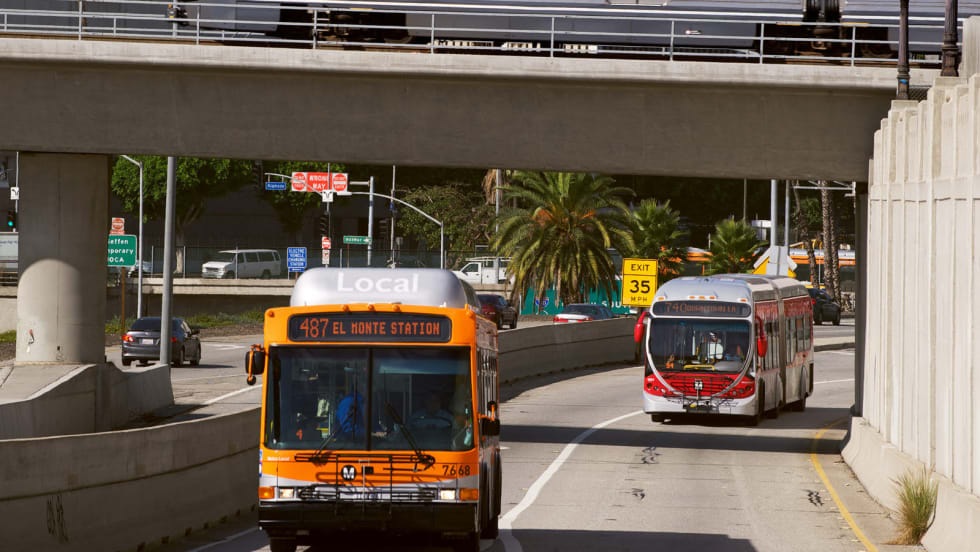
New Tricks for Old Bureaucracies: Joshua Schank on Making Transit Innovation Stick
Former LA Metro Chief Innovation Officer Joshua Schank discusses why good ideas aren't enough, how transit agencies can overcome resistance to change, and why today's challenges demand more innovation.
Read More →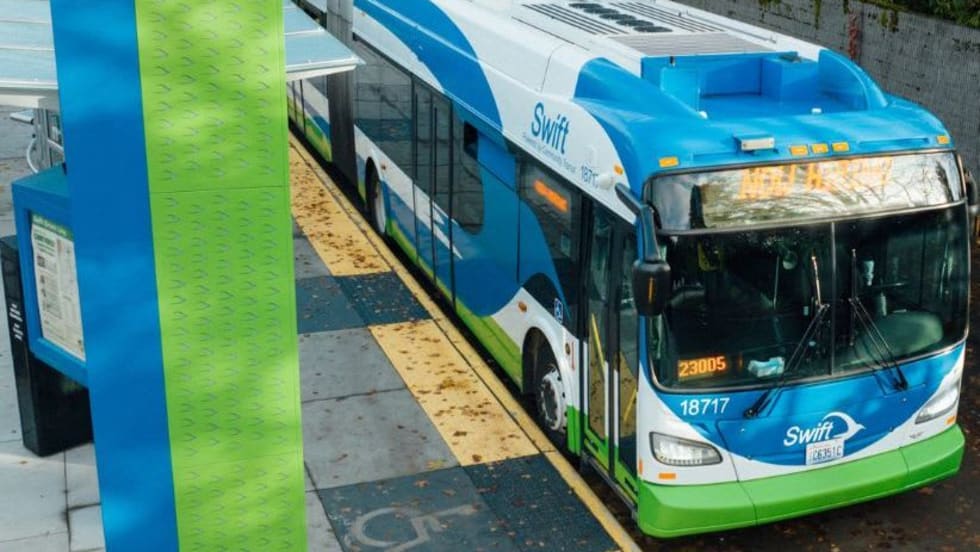
Washington's Community Transit Sets Six-Year Roadmap for Growth, Expansion
Approved TDP targets more bus service, new mobility options, Swift BRT expansion, and a potential Everett Transit annexation.
Read More →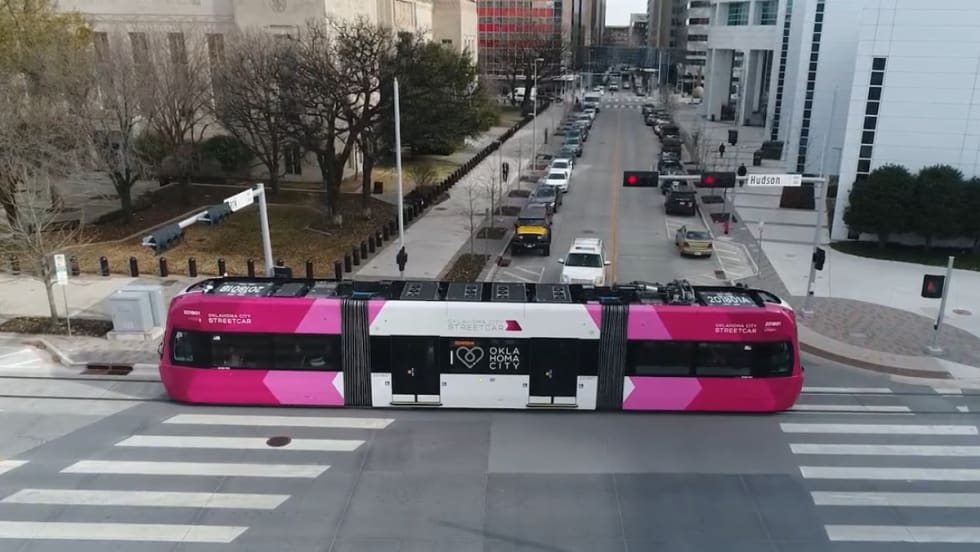
OKC Streetcar Makes Zero-Fare Service Permanent
Ridership increased an average of 71% compared with the same period a year earlier during the fare-free pilot.
Read More →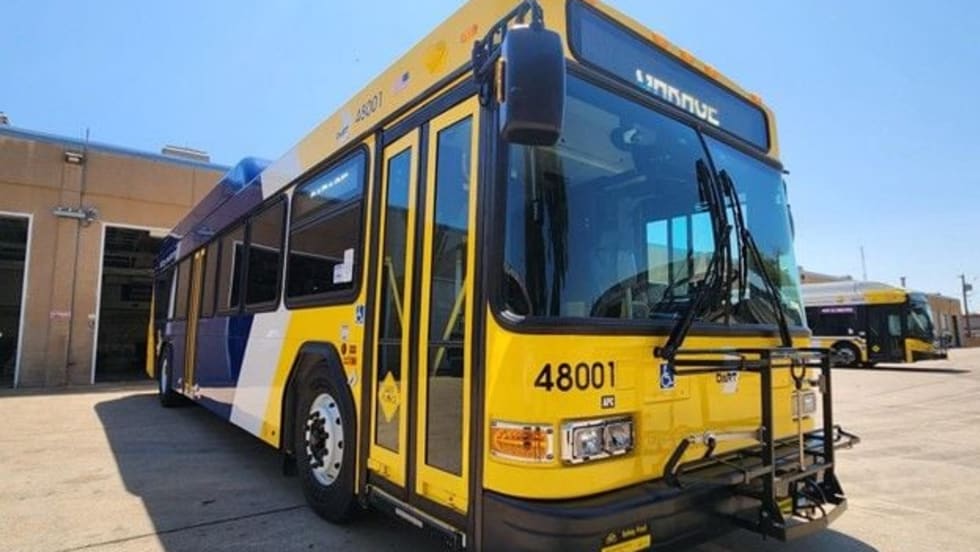
DART Customer Satisfaction Reaches Six-Year High
Overall satisfaction rose to 74.9%, while the agency’s Net Promoter Score reached a record 33.7.
Read More →
House Surface Transportation Bill Advances as Transit Funding Debate Intensifies
A bipartisan transportation package moving through Congress could redefine how the U.S. funds highways, transit, and motorcoach travel, while igniting new fights over electrification, regulation, and federal priorities.
Read More →