



Siemens installing regenerative battery on TriMet train
In energy savings mode, the energy storage unit absorbs the energy generated by braking rail vehicles and stores it until the system can safely feed it back to the power supply during vehicle acceleration.

Siemens is currently installing the first regenerative battery in the U.S. on the new TriMet Portland-Milwaukie light rail transit line — the 7.3-mile line extension project that will connect the southeast corridor to downtown Portland and other regions that TriMet MAX serves.
The southeast Portland Tacoma substation location will house the first U.S. storage unit that allows for energy created during braking to be stored and then re-used in one of two forms, energy savings or voltage stabilization, during peak demand times. TriMet will utilize the system in voltage stabilization mode.
In voltage stabilization mode, the Sitras SES Energy Storage Unit with supercapacitor technology allows the system to avoid problems that have led to disruptions in mass transit operations. If a number of vehicles accelerate simultaneously, system voltage can drop below a critical level and result in instances of undervoltage tripping in vehicles and, consequently, lead to disruptions in passenger service. The Sitras SES ensures the system voltage always remains within the required range and voltage-related disruptions no longer occur.
“The regenerative energy storage unit is an important piece of the many sustainable elements being incorporated in this light rail project,” said Dan Blocher, executive director, TriMet Capital Projects.
The Sitras Energy Storage unit is part of Siemens Smart Grid Rail Electrification portfolio, providing solutions to reliably connect railway systems to the power grid. In energy savings mode, the energy storage unit absorbs the energy generated by braking rail vehicles and stores it until the system can safely feed it back to the power supply during vehicle acceleration.
As a voltage stabilizer, the energy content is constantly kept at a high level and energy is discharged when the system voltage falls below a specified limit. Installation of the Sitras Energy Storage Unit also allows TriMet to avoid placing a utility-connected substation in the same location.
The Sitras SES has been successfully installed in Spain and Germany, reducing the energy demand at Cologne Transit Authority substation by 15,000 kWh in one month. The use of just a single energy storage unit could save a maximum of 500,000 kWh per year. In addition to the cost saving, the storage unit can reduce CO2 emissions by 300 tons per year with this reduction in energy generation.
The first substations will be installed beginning in October 2013. The Portland-Milwaukie Light Rail Transit Project is set to open in 2015 and will expand the MAX system to 60 miles and 97 stations.
RELATED ARTICLE: Check out, "Amtrak unveiles advanced tech. Siemens locomotives."
More Rail

The Invisible Infrastructure of Passenger Flow
What a seat reservation system on Austria’s Railjet trains reveals about the future of rider experience, and why U.S. agencies should pay attention.
Read More →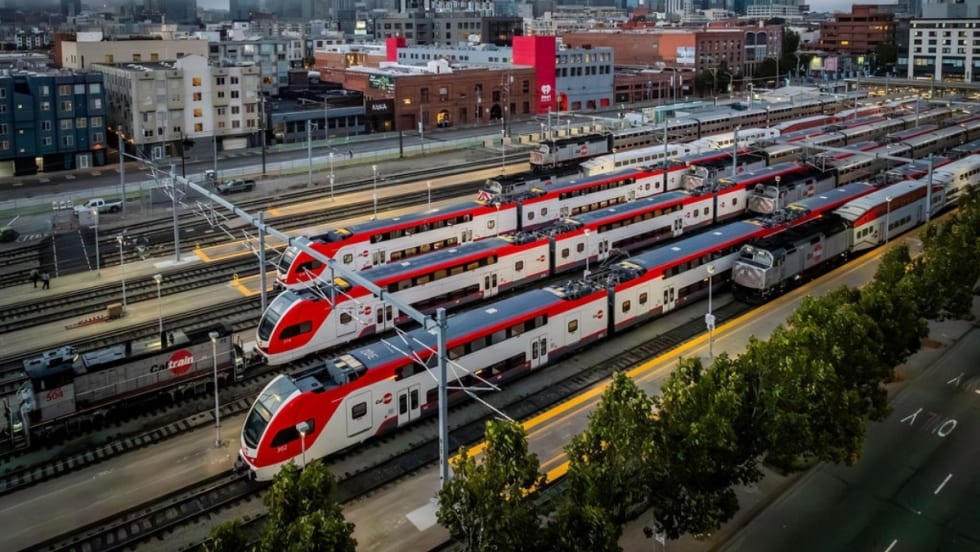
Caltrain Board Approves FY27 Budget, Endorses Efficiency Measures
The move ensures Caltrain service will continue operating as usual in the near term, but long-term financial challenges remain for the rail agency absent a new revenue source.
Read More →
Alstom Acquires Delaware Site to Support Amtrak NextGen Acela Fleet
The company is investing more than $55 million to acquire and improve the property and will employ approximately 100 people at this site once it is operational.
Read More →
When Routine Fails: How Public Transit Must Adapt for the World Cup
The 2026 FIFA World Cup will test transit agencies’ ability to manage unpredictable travel patterns, making real-time data and operational flexibility critical to moving millions of visitors efficiently.
Read More →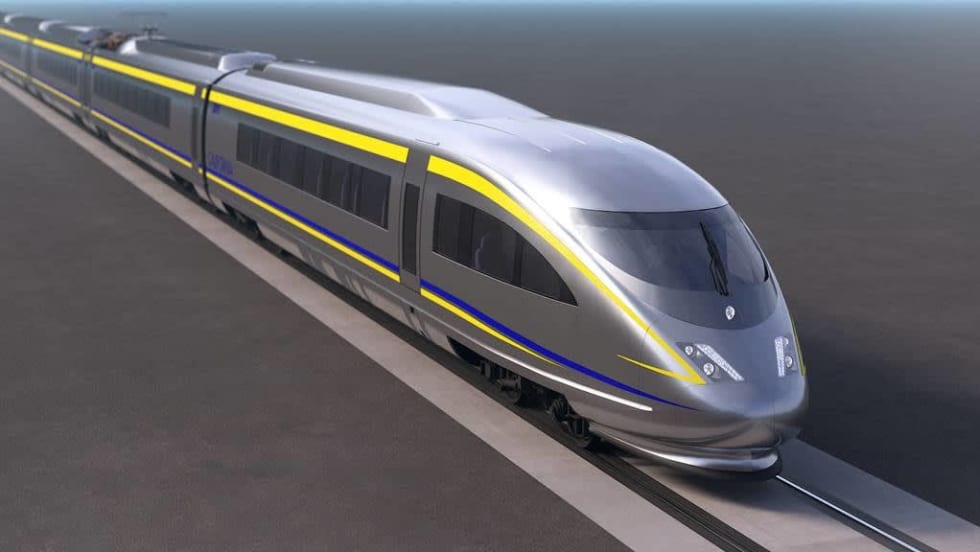
California Selects Team for Nation’s First True High-Speed Rail Track and Systems Contract
The board action follows completion of track installation at the 150-acre southern railhead in Kern County, which will serve as the staging and distribution hub for high-speed track and systems installation.
Read More →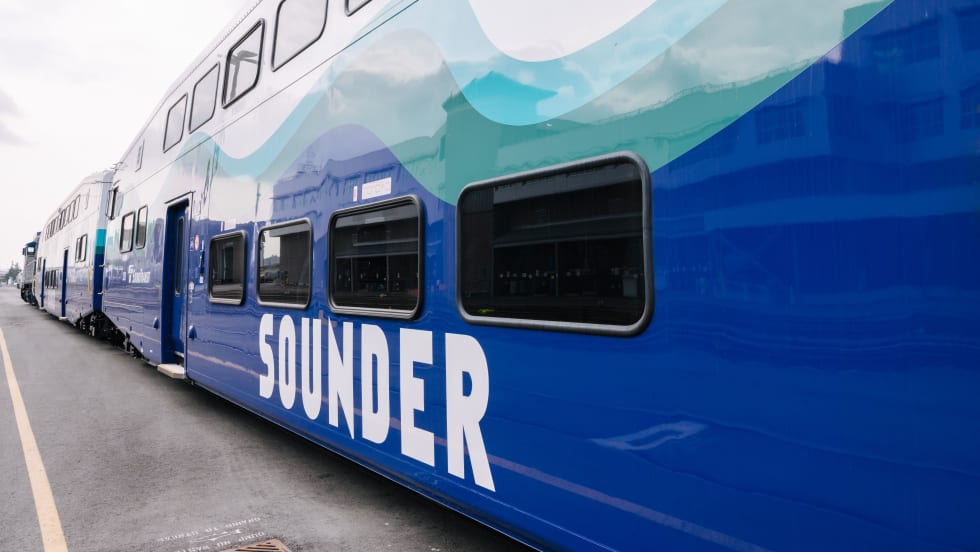
Seattle's Sound Transit Launches New Sounder Railcars into Service
Alstom manufactured all the cars under a $46.5 million contract and came into service in anticipation of summer crowds for soccer and baseball.
Read More →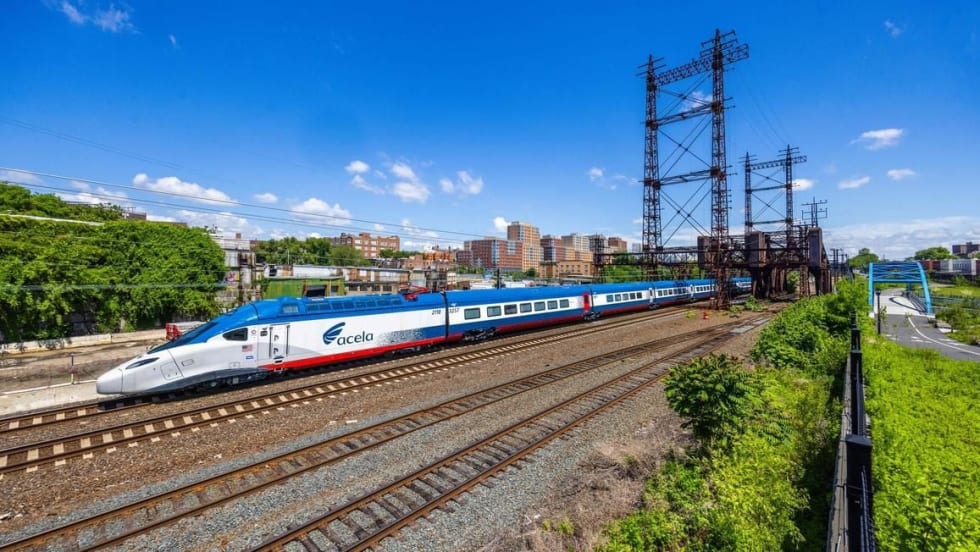
Alstom Partners With Universities to Build Rail Talent Pipeline
The partnerships include a new engineering scholarship fund at Alfred State College in Western New York and collaborations with transportation centers at the University of Pennsylvania and New York University.
Read More →
Chicago's NITA Act Moves Into Next Phase as Service Improvements Begin
Rider-focused improvements will begin rolling out across the system immediately as CTA, Metra, and Pace increase service this summer in the six-county region.
Read More →
Seattle’s Sound Transit Adopts Updated ST3 System Plan
The updated system plan incorporates cost savings across the agency, including new revenue sources and financial policies, to set the agency on a sustainable path for the future.
Read More →
Inside Look: EMBARK Expands Fare-Free Transit Program Through New Public-Private Partnership
The OKC transit agency says sponsorship helps subsidize the Third Friday Free initiative while reducing barriers for first-time riders and boosting ridership across buses, streetcars, and river cruises.
Read More →