



Fed agencies progress toward energy, sustainability goals
Directed to reduce their carbon pollution, increase renewable energy use, and meet energy and water efficiency goals.

As part of the Obama Administration’s initiative to save money in Federal operations by taking steps to reduce energy use, pollution and waste, the U.S. Department of Transportation (U.S. DOT) released an annual performance update that shows significant progress toward energy and sustainability goals.
Under Executive Order 13514, President Barack Obama directed Federal agencies to reduce their carbon pollution, increase renewable energy use, and meet energy and water efficiency goals. Based on these FY 2012 benchmarks, the U.S. DOT will update its annual Sustainability Plan to target the best opportunities to continue to improve performance.
“In just two years, DOT has improved its sustainability performance in every category,” said U.S. Secretary of Transportation Ray LaHood. “DOT has developed a culture where the innovation and collaboration of employees help reach our sustainability goals.”
U.S. DOT is meeting goals for greenhouse gas emissions reductions, reduction in energy intensity, use of renewable energy and reduction in fleet petroleum use.
Some highlights of the DOT’s FY2012 performance include:
Exceeding their FY2020 goal for Greenhouse Gas emissions eight years early.
Nearly doubling the use of renewable energy — jumping from 8% to 14% of total energy consumed in FY2012.
Nearly tripling alternative fuel use since 2005 and reducing the petroleum consumption of the U.S. DOT fleet by 14.5%
Signing a memorandum of understanding with the Department of Energy’s Federal Energy Management Program to provide technical assistance in the design of new energy efficient buildings and the evaluation of existing buildings, which has resulted in an estimated $5 million in project savings.
Areas showing a need for improvement include reductions in potable water intensity and green buildings. To address these areas, U.S. DOT is using a number of cost-effective strategies, such as setting aggressive policies and a performance-based contracting initiative.
This is the third time Federal agencies have publicly released their Office of Management and Budget energy and sustainability scorecards as part of the Administration’s commitment to increasing transparency and accountability in Federal operations.
To view the U.S. DOT’s scorecard, click here.
More Technology
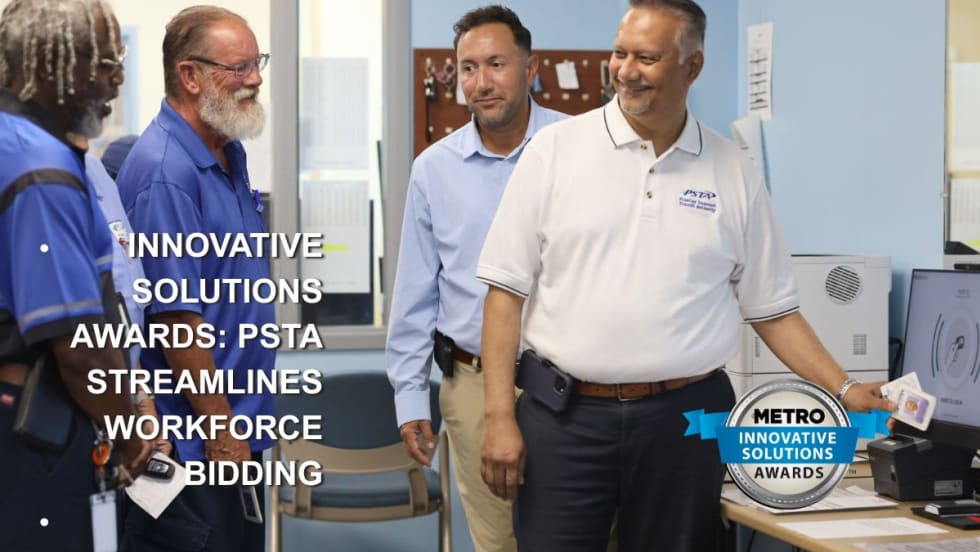
PSTA Modernizes Workforce Management with Digital Bidding System
The award-winning Workforce Transit Modernization project replaced paper bidding with a transparent digital platform, cutting administrative effort while improving access for operators.
Read More →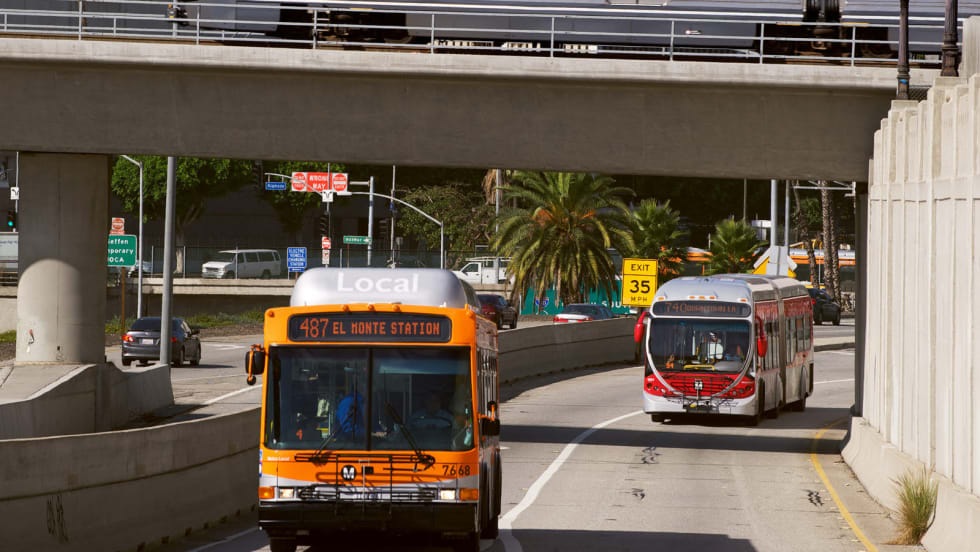
New Tricks for Old Bureaucracies: Joshua Schank on Making Transit Innovation Stick
Former LA Metro Chief Innovation Officer Joshua Schank discusses why good ideas aren't enough, how transit agencies can overcome resistance to change, and why today's challenges demand more innovation.
Read More →
How Data, Strategy, and Community Engagement Are Reshaping Transit
In this edition of METROspectives, strada360 CEO Steve Lassey discusses how transit agencies can better align planning with operations, leverage data to improve decision-making, and build public trust as they prepare for the future of mobility.
Read More →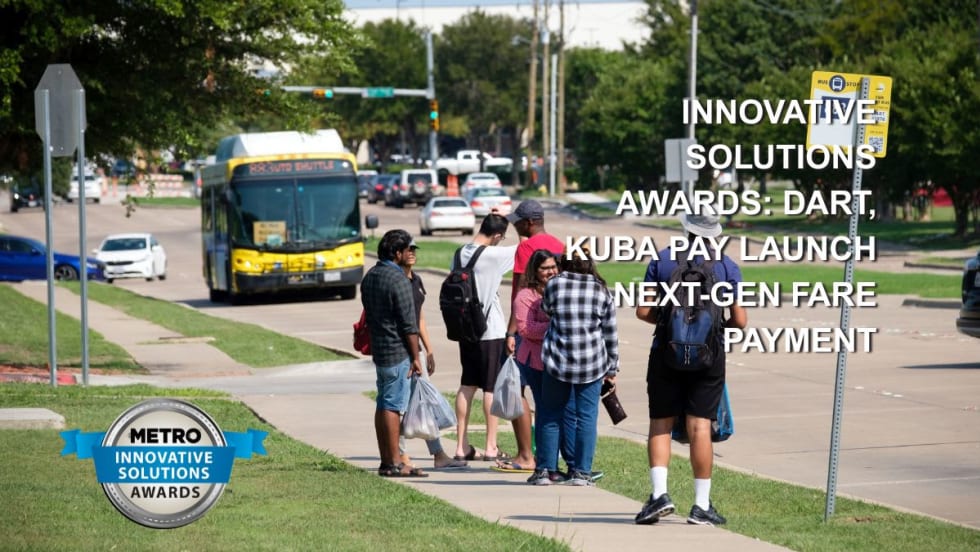
How DART's GoPass Is Redefining Regional Mobility
Serving 14 transit agencies, GoPass simplifies multimodal travel by allowing riders to plan, pay for, and manage an entire trip through one app.
Read More →
Turn Transit Data Into Action
Discover how leading agencies are using connected technology to gain real-time visibility across operations, improve service reliability, and reduce disruptions.
Read More →
Biz Briefs: OCTA Taps Clean Energy for Hydrogen Station, Stadler to Supply Via Rail Vehicles, and More
From manufacturers and suppliers to transit agencies and motorcoach operators, these updates offer a snapshot of the projects, partnerships and business moves driving the industry forward.
Read More →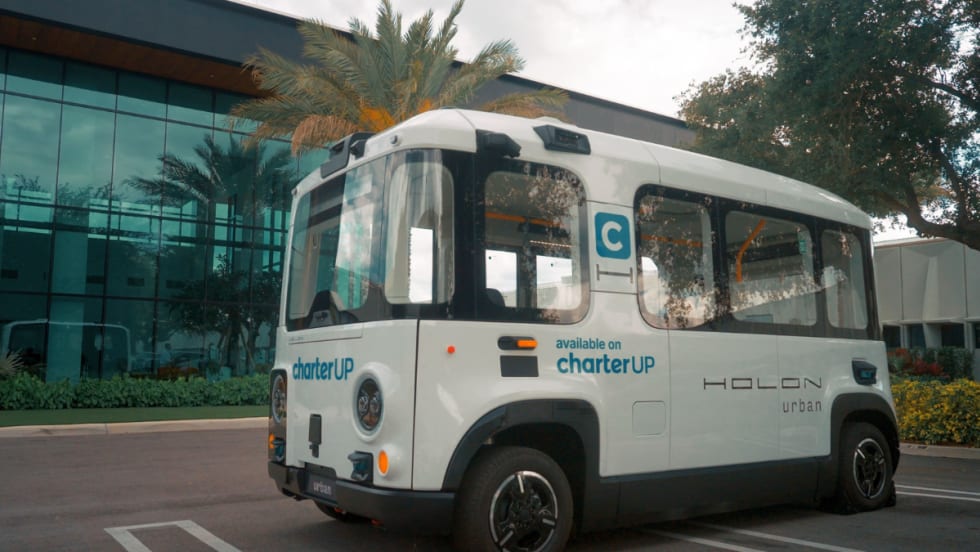
CharterUP Expands Into New Mobility and Autonomous Transportation
Vice President of New Mobility Stephen Joos discusses how CharterUP is leveraging its nationwide transportation network, technology platform, and autonomous vehicle partnerships to expand into workforce mobility, campus shuttles, and transit solutions.
Read More →
METRO Magazine Announces 2026 Innovative Solutions Awards Winners
Projects Recognized for Advancing Mobility Through Technology, Accessibility, Workforce Innovation, and Operational Excellence
Read More →
Cummins Introduces Phased Model Year 2027 Launch Strategy
According to officials, the approach is designed to maintain regulatory compliance, support customer production schedules, and provide additional time to ramp production in a disciplined manner that helps ensure a successful transition for the industry.
Read More →
Biz Briefs: STV teams with Amtrak, Motorcoach Operators Boost Fleet and Land Contracts, and More
From manufacturers and suppliers to transit agencies and motorcoach operators, these updates offer a snapshot of the projects, partnerships and business moves driving the industry forward.
Read More →