



TriMet aims to roll out electronic fare system in 2015
Would start the system on a limited basis and fully launch it in 2017. Expects employee testing to be underway by September 2015, when the Portland-Milwaukie Light Rail line opens.

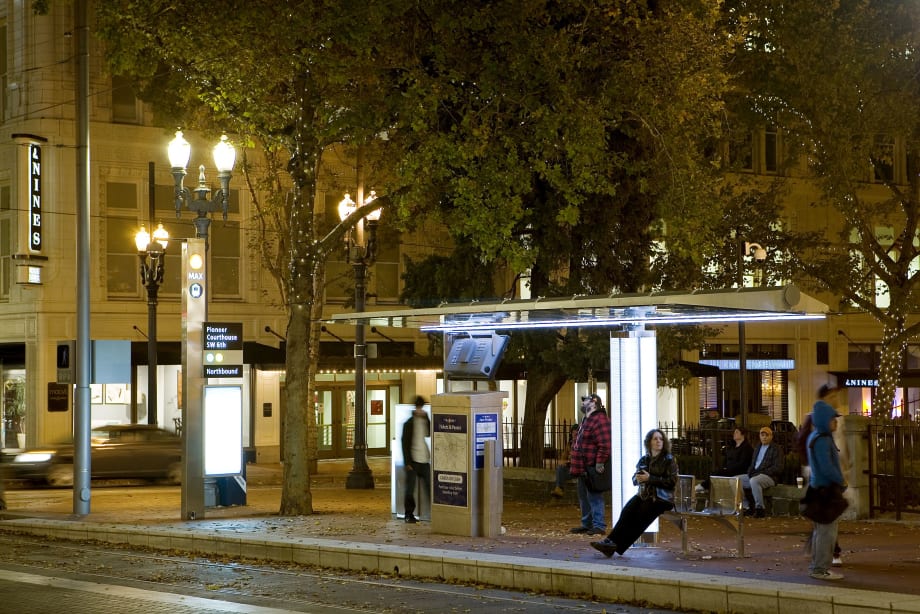
Photo courtesy TriMet

Portland, Ore.-based TriMet plans to implement an electronic fare system, beginning on a limited basis, as early as September 2015 with a full launch in 2017.
Electronic fares, or eFares, will allow riders to conveniently and quickly pay fares by tapping a contactless payment device against an electronic reader — no exact change or paper ticket needed.
Fares could be purchased with a transit-only smart card; using a bank-issued credit or debit card equipped with a microchip; or via a smartphone equipped with Near Field Communications. Riders simply tap one of these payment options against an electronic reader or validator near the fare box on a bus or on a MAX platform.
For those who don’t have a bank account, eFare cards similar to gift cards could be purchased and money loaded onto them. The cards could be purchased at convenience stores, grocery stores and other retail outlets. This will improve access for everyone, especially low-income riders.
Another benefit for frequent transit users and low income riders would be daily and monthly caps on fares paid. Currently a Day Pass costs $5 for an adult and is good for unlimited trips in a given day. The eFare system would also have a daily maximum cost. The same is true on a monthly basis.
According to the agency, TriMet will be the first U.S. multimodal transit system to implement a mobile ticketing smartphone app that lets riders buy and use tickets on smartphones for use on our buses and trains. The free TriMet Tickets mobile app will be launched in August.
The eFare system will cost up to $30 million to implement, but should pay for itself over time. It’s expected to reduce fare evasion, increase revenue, and reduce costs associated with ticket vending machines, cash purchases and collection processing.
While an eFare system would not replace TriMet’s current ticket vending machines, the agency expects eFare incentives and adjustments to the machines to drive more riders to electronic payment.
No decisions will be made until the public can weigh in on possible changes.
This summer, TriMet will send out requests for proposals from contractors who could provide elements of the eFare system. By September 2015, when the Portland-Milwaukie Light Rail line opens, employee testing is expected to be underway. In 2016, TriMet plans to move to limited customer segment testing and then launch eFare systemwide in 2017.
RELATED: "Calif.'s NCTD to launch mobile ticketing app"
More Bus
Washington's Community Transit Sets Six-Year Roadmap for Growth, Expansion
Approved TDP targets more bus service, new mobility options, Swift BRT expansion, and a potential Everett Transit annexation.
Read More →
DART Customer Satisfaction Reaches Six-Year High
Overall satisfaction rose to 74.9%, while the agency’s Net Promoter Score reached a record 33.7.
Read More →
How DART's GoPass Is Redefining Regional Mobility
Serving 14 transit agencies, GoPass simplifies multimodal travel by allowing riders to plan, pay for, and manage an entire trip through one app.
Read More →
Biz Briefs: OCTA Taps Clean Energy for Hydrogen Station, Stadler to Supply Via Rail Vehicles, and More
From manufacturers and suppliers to transit agencies and motorcoach operators, these updates offer a snapshot of the projects, partnerships and business moves driving the industry forward.
Read More →
METRO Magazine Announces 2026 Innovative Solutions Awards Winners
Projects Recognized for Advancing Mobility Through Technology, Accessibility, Workforce Innovation, and Operational Excellence
Read More →
Biz Briefs: STV teams with Amtrak, Motorcoach Operators Boost Fleet and Land Contracts, and More
From manufacturers and suppliers to transit agencies and motorcoach operators, these updates offer a snapshot of the projects, partnerships and business moves driving the industry forward.
Read More →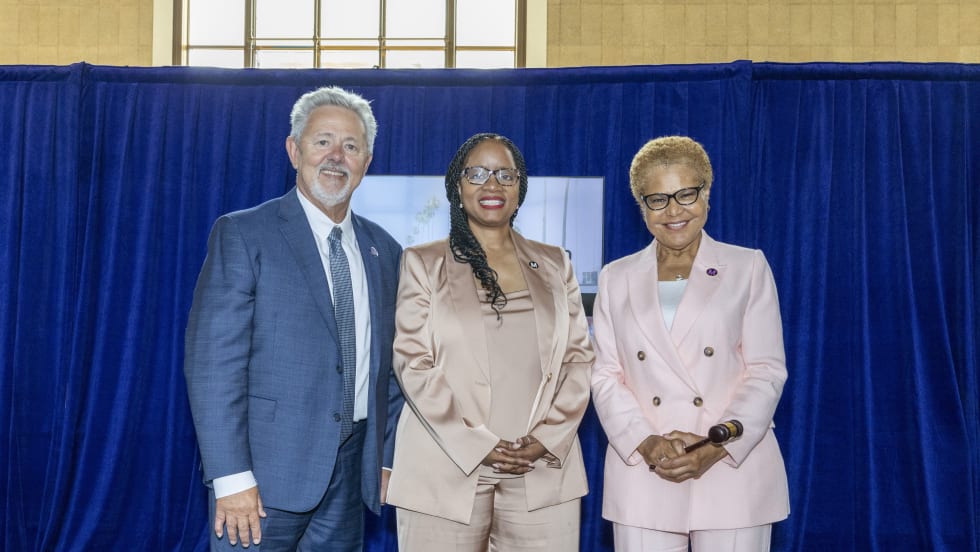
LA Metro Marks Banner Year, Sets Ambitious Goals for New Fiscal Year
Incoming LA Metro Board Chair and Los Angeles Mayor Karen Bass joined outgoing Board Chair Fernando Dutra and LA Metro CEO Stephanie Wiggins to review accomplishments from fiscal year 2026, which included the opening of new rail extensions, advancement of major transit projects, expanded safety programs, and new rider amenities.
Read More →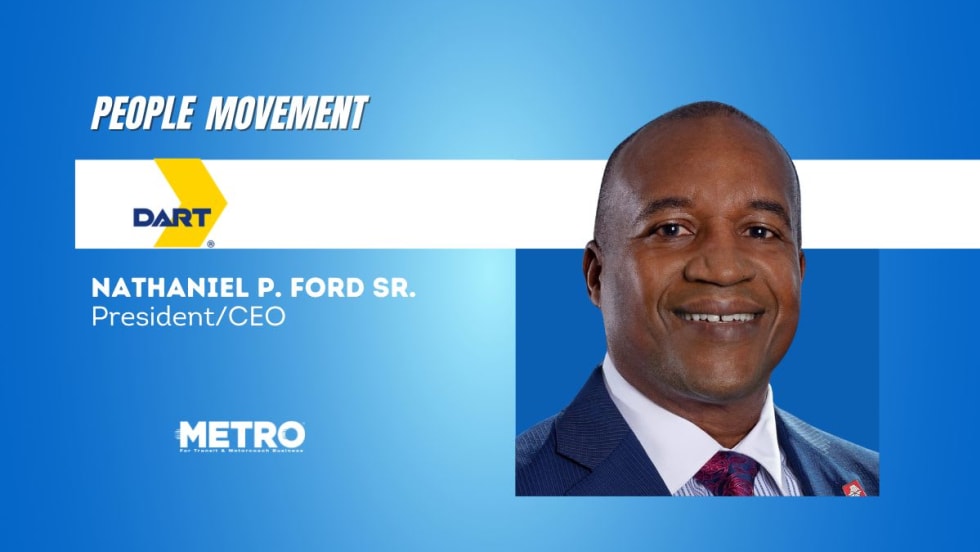
DART Taps Nathaniel P. Ford Sr. as Next President/CEO
Since 2012, Ford has served as the CEO of the Jacksonville Transportation Authority
Read More →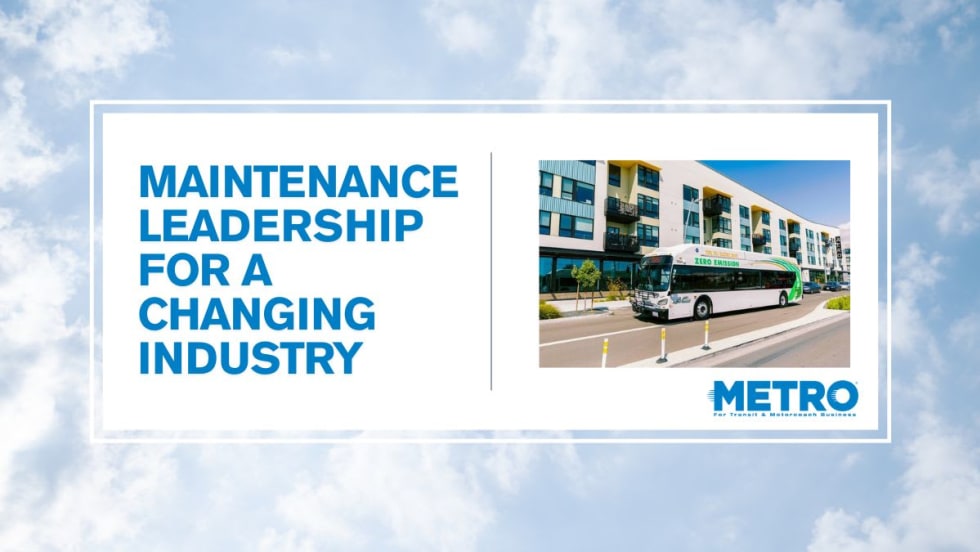
AC Transit’s Cecil Blandon on Building the Next Generation of Transit Maintenance Leaders
The agency’s maintenance chief discusses leadership, workforce development, zero-emission technology, and preparing technicians for the future of public transportation.
Read More →
Building the Next Generation of Transit Technology
In this edition of METROspectives, Luminator CEO Magnus Friberg discusses the company's transformation, the growing role of AI and software, and what's next for transit technology.
Read More →