



Electric buses make strong showing at BusCon
Representatives from Phoenix Motorcars, BYD, Proterra and Complete Coach Works featured their buses on the show floor and explained their products as well as their outlook for the future of electric buses in the transportation industry.

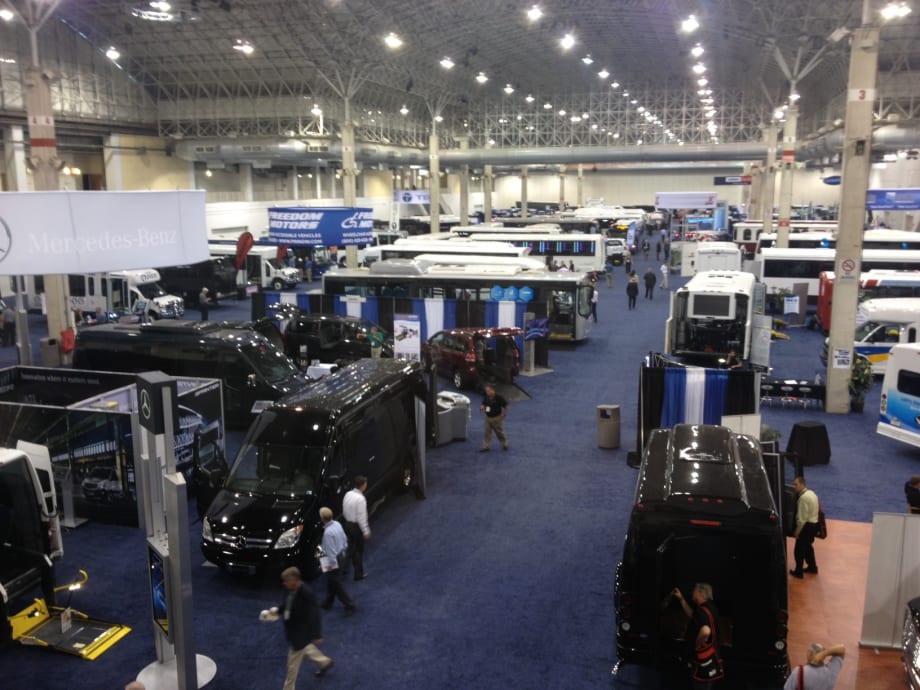
BusCon 2013 bid a fond adieu to Chicago’s Navy Pier, with an unprecedented four electric vehicles on the show floor, which also featured 145 exhibitors — more than any other year.
Representatives from Phoenix Motorcars, BYD, Proterra and Complete Coach Works (CCW) featured their buses on the show floor and explained their products as well as their outlook for the future of electric buses in the transportation industry during a session moderated by Michael C. Lewis from the University of Texas at Austin’s Center for Electromechanics.
While the ideal application for all four electric vehicles vary distinctly, each of the representatives reported tremendous interest on the show floor as attendees got to take an up close and personal look as well as schedule demonstrations at their facilities later down the road.
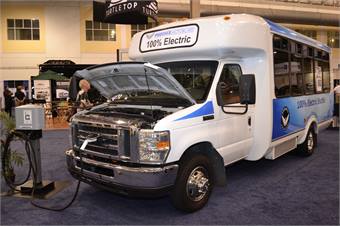
Phoenix Motorcars' Electric Shuttle
Phoenix Motorcars’ all-electric vehicle made its debut on the show floor. Perfect for airports or hotels, the 14-passenger Phoenix Electric shuttle is available in multiple configurations and can be customized to specifications. It features rear-wheel drive and can travel up to 100 miles per charge and offers operators payback on their investment in up to three years compared to diesel.
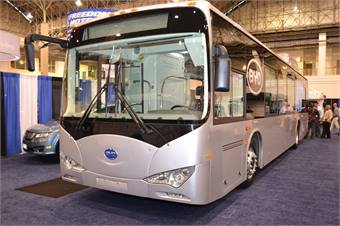
BYD's All-Electric Bus
Meanwhile, BYD showcased its 40-foot All-Electric Bus, which is currently undergoing Altoona Testing. Brendan Riley, VP, fleet sales, explained it is set to begin production of its orders for Long Beach Transit and the Los Angeles' Metro very soon, with the first models rolling off the line in 2014. It is also poised to offer its vehicles in other sizes in the near future, including 26-foot and 60-foot articulated models.
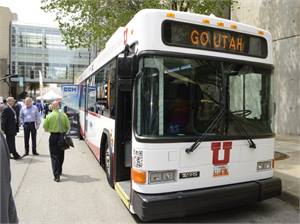
CCW's ZEPS bus with WAVE technology
CCW featured its Utah Transit Authority 40-foot all-electric bus using WAVE wireless advanced vehicle electrification. The wireless system works when one charging pad is attached to the bottom of an electric bus and another is planted in the road at a key point along the transit route. After the bus stops over the pad in the road, the induction charge sends power to the battery via a wireless transfer that can travel across several inches of airspace. A few minutes later — depending on the size of the battery — the bus is ready to resume its route.
The CCW bus is set to begin service in the fall.
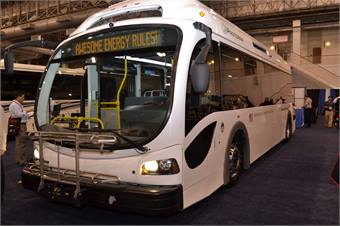
Proterra's EcoRide
Meanwhile, Proterra featured its EcoRide buses. There are approximately 17 of Proterra’s bus currently on the road in several cities across the U.S. The bus on display at BusCon was set to take the road following the show, with company officials providing demonstrations every weekday in different cities across a two-week stretch.
In addition to the electric bus offerings, BusCon featured a total of 65 vehicles in the show floor. It also included a top-notch education program covering everything from university transit to paratransit and a awards program honoring both mid-size bus users as well as the top five users of clean-burning propane autogas.
More Management

METRO Opens Submissions for 2026 Motorcoach Awards
Nominations are now being accepted for METRO Magazine’s Operator of the Year and Innovative Operator of the Year awards.
Read More →
New York MTA Advances Final Contract for Second Avenue Subway Expansion
Contract Four is the largest in the Second Avenue Subway Phase 2 project and includes construction of station infrastructure, tracks, and signals for the subway expansion, MTA officials said. Work on Contract Four will begin in 2027.
Read More →
Transit Agencies Highlight Safety Gains at National Summit
Leaders from 15 major transit systems shared crime-reduction results and safety initiatives while discussing the role of continued federal support.
Read More →

NITA Names New Leadership, Expands Reduced-Fare Program at First Board Meeting
The new regional transit authority appointed its first board chair and interim executive director while extending reduced fares across CTA, Metra, and Pace for eligible riders.
Read More →
Beyond the Checklist: A Structured Approach to Transit Maintenance
Reliability-Centered Maintenance helps transit agencies move beyond routine checklists to focus limited resources on the assets and failures that have the greatest impact on safety, reliability, and service.
Read More →
APTA 2026 Nominating Committee Selects Leadership Slate, Names Chair and Vice Chair Nominees
Leadership changes will help shape the association’s priorities and its representation of the transportation industry during the 2026–2027 term.
Read More →
DART Launches Major Security, Fare Enforcement Initiative
The 90-day demonstration will deploy coordinated security teams at five light rail stations while testing controlled access and gathering data to guide future investments.
Read More →
Advancing Fare Collection Through Technology and Innovation
Learn about delivering 1300 gates at 91 stations while managing fare evasion. Explore the large scale deployment, solution customization and real-world results that affect the region. Prepare for deployment in your region now.
Read More →
Game Day in Motion: Moving Millions During the 2026 World Cup
Between packed transit stations and team motorcoaches, see how agencies and operators across North America tackled the transportation demands of the 2026 FIFA World Cup.
Read More →
Surface Transportation Extension Averts Shutdown, Leaves Transit Funding Gap
The stopgap keeps federal transportation programs moving, but missing advance funding could complicate the transit and rail projects agencies are planning next.
Read More →