



Omnitrans, Cal State extend free ride program
Cal State University, San Bernardino participated in the Go Smart pilot program in 2011-12. During that year, more than 194,000 bus trips were tallied by more than 3,000 students who used the program, which represented about 17% of enrollment.

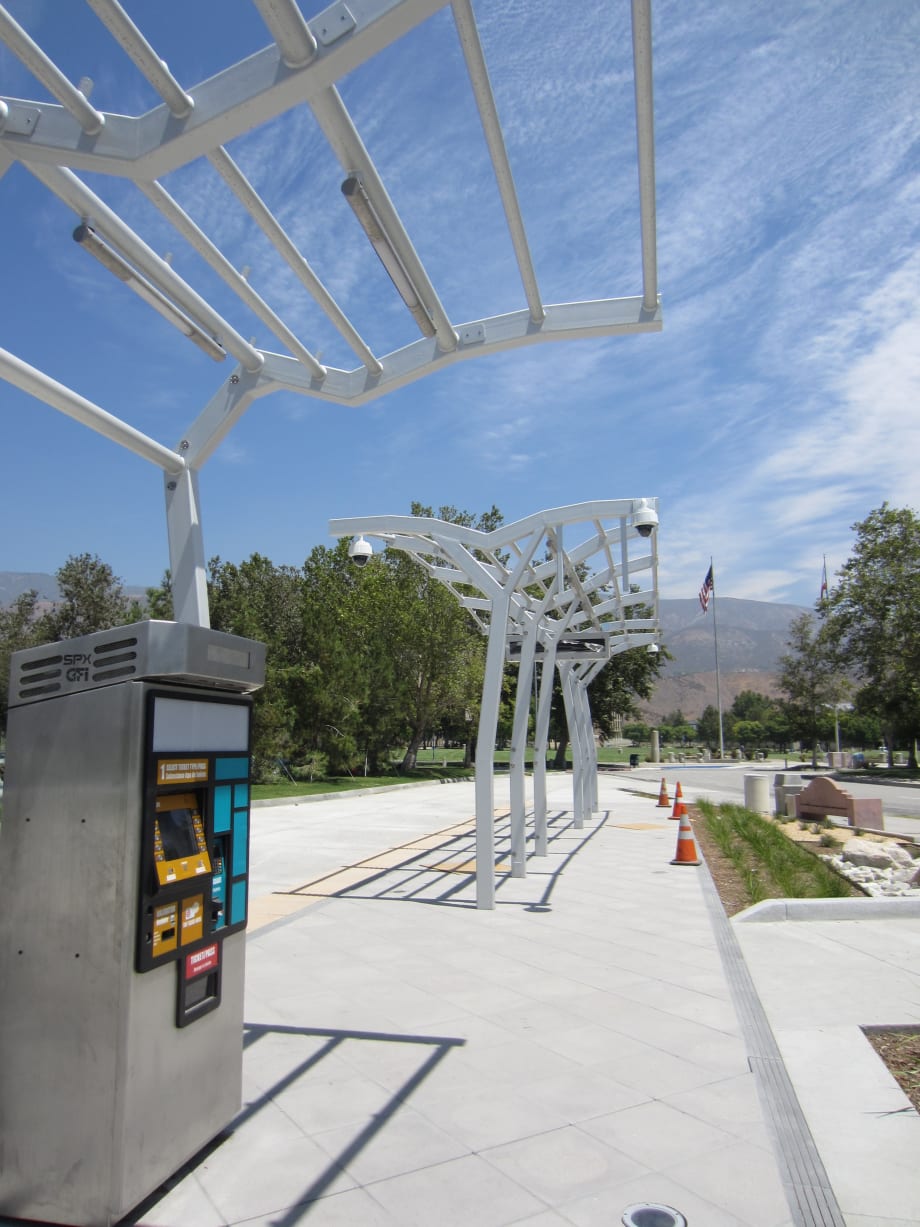
A photo of the sbX bus rapid transit line station platform under construction on the CSUSB campus.

A photo of the sbX bus rapid transit line station platform under construction on the CSUSB campus.
Students at California State University, San Bernardino (CSUSB) can get free rides through the new “Go Smart” program, which offers them unlimited rides by swiping their college IDs on Omnitrans’ buses.
“We are proud to be partnering with Omnitrans on the sbX line to bring rapid transit service to our campus,” said Bob Gardner, CSUSB VP, administration and finance. “When the San Bernardino Transit Center project is completed in 2015, the direct connection between sbX and Metrolink will greatly expand commuting options for our students.”
CSUSB participated in the Go Smart pilot program in 2011-12. During that year, more than 194,000 bus trips were tallied by more than 3,000 students who used the program, which represented about 17% of enrollment. But funding challenges kept the University from continuing Go Smart the following year.
“We applaud ASI and the Administration at CSUSB for supporting a program that saves students money and saves our environment,” said Omnitrans Director, Marketing, Wendy Williams. “Just one student riding one day on transit instead of driving eliminates 20 lbs. of carbon emissions. Plus, students can expect to save over $2,800 per year in auto, fuel, and parking expenses by switching to transit.”
Students can use their college ID card to ride Omnitrans at any time on any route, not just trips to and from campus. ID cards are swiped in the fare box on board buses which allows the agency to capture usage data by school, by route and even individual ID.
Without Go Smart college students would have to pay $1.50 per trip or $4.00 for a one-day pass to ride the bus; 7-day passes are $15 and 31-day passes are $47.
Other area colleges participating in the Omnitrans Go Smart program include Art Institute of California – Inland Empire, Chaffey College, Crafton Hills College and San Bernardino Valley College. During the 2012-13 academic year, students at these partner schools took more than 1.4 million bus trips.
More Bus

From Surviving to Thriving: Building Stronger Transportation Organizations
Bus Business Consultants founder Brian Dickson shares lessons on leadership, organizational health, and creating options for long-term success in a changing transportation industry.
Read More →
Finding the ‘Happy Medium’: Optimizing Maintenance Without Sacrificing Reliability
The key to maintenance optimization isn’t doing less work—it’s doing the right work at the right time on the right assets.
Read More →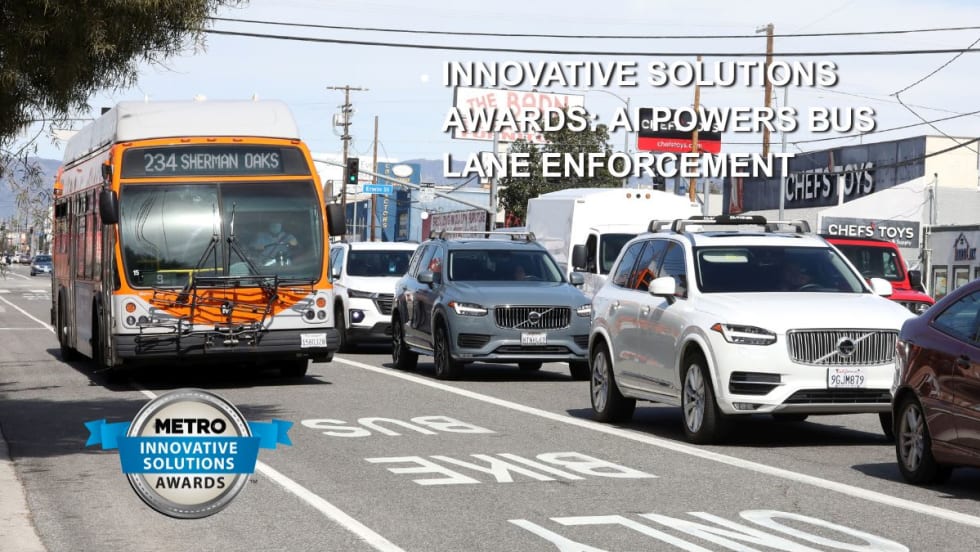
LA Metro, City of West Hollywood, and Partners Advance Smarter Bus Lane Enforcement
The award-winning partnership combines AI-powered detection with human oversight to improve bus reliability, accessibility, and enforcement efficiency.
Read More →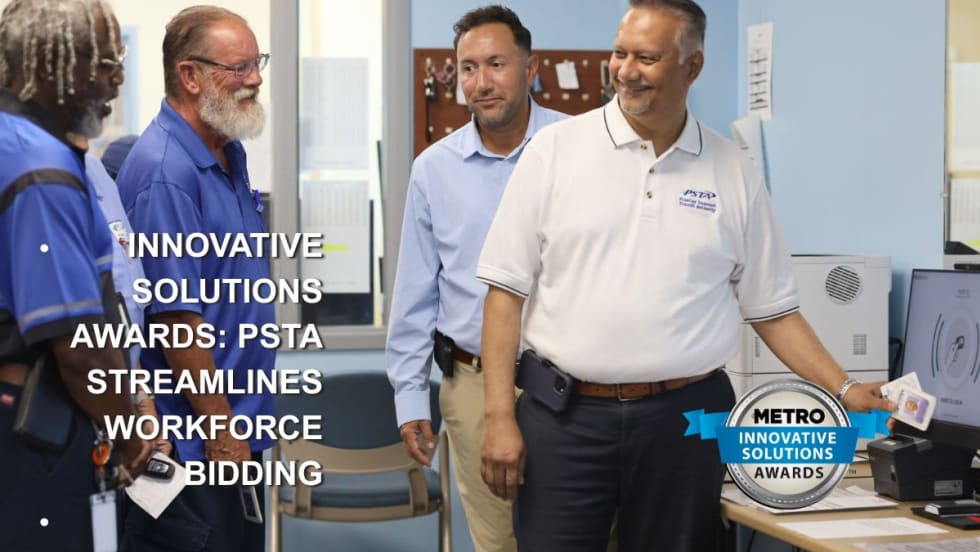
PSTA Modernizes Workforce Management with Digital Bidding System
The award-winning Workforce Transit Modernization project replaced paper bidding with a transparent digital platform, cutting administrative effort while improving access for operators.
Read More →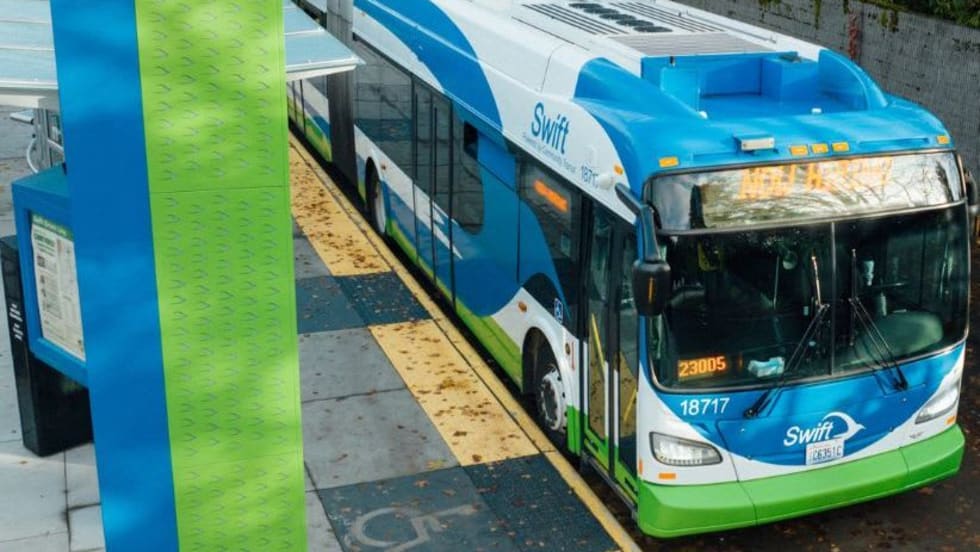
Washington's Community Transit Sets Six-Year Roadmap for Growth, Expansion
Approved TDP targets more bus service, new mobility options, Swift BRT expansion, and a potential Everett Transit annexation.
Read More →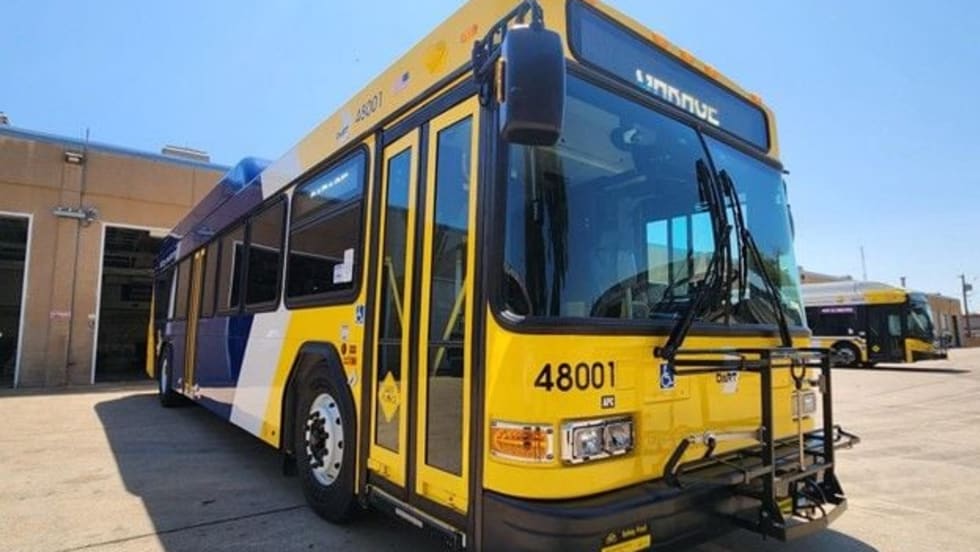
DART Customer Satisfaction Reaches Six-Year High
Overall satisfaction rose to 74.9%, while the agency’s Net Promoter Score reached a record 33.7.
Read More →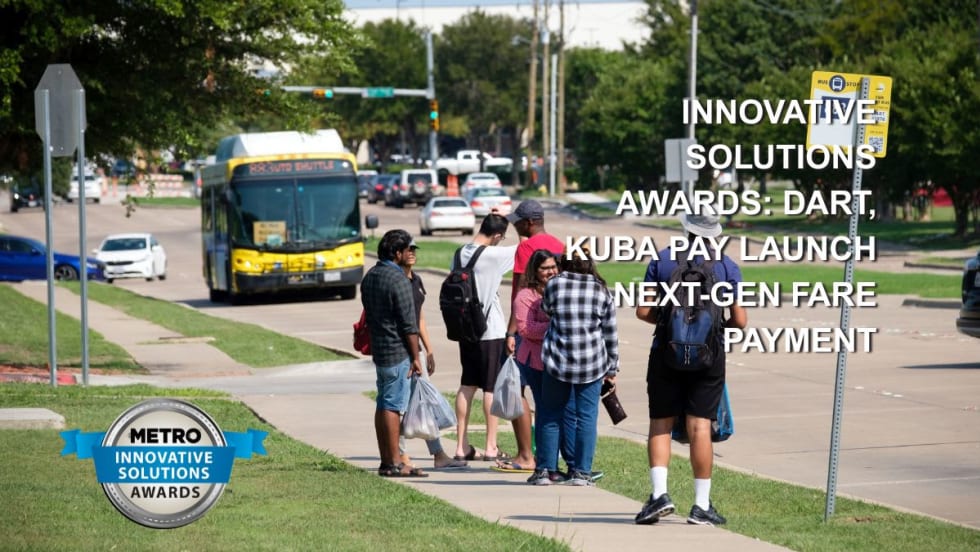
How DART's GoPass Is Redefining Regional Mobility
Serving 14 transit agencies, GoPass simplifies multimodal travel by allowing riders to plan, pay for, and manage an entire trip through one app.
Read More →
Biz Briefs: OCTA Taps Clean Energy for Hydrogen Station, Stadler to Supply Via Rail Vehicles, and More
From manufacturers and suppliers to transit agencies and motorcoach operators, these updates offer a snapshot of the projects, partnerships and business moves driving the industry forward.
Read More →
METRO Magazine Announces 2026 Innovative Solutions Awards Winners
Projects Recognized for Advancing Mobility Through Technology, Accessibility, Workforce Innovation, and Operational Excellence
Read More →
Biz Briefs: STV teams with Amtrak, Motorcoach Operators Boost Fleet and Land Contracts, and More
From manufacturers and suppliers to transit agencies and motorcoach operators, these updates offer a snapshot of the projects, partnerships and business moves driving the industry forward.
Read More →