



U.S. DOT releases $474M for TIGER 2013 projects
Fifty-two transportation projects in 37 states will receive the funds. Applications for this most recent round of grants totaled more than $9 billion, far exceeding the $474 million set aside for the program.

Fifty-two transportation projects in 37 states will receive a total of approximately $474 million from the U.S. Department of Transportation’s (U.S. DOT) Transportation Investment Generating Economic Recovery (TIGER) 2013 discretionary grant program. Among these, 25 projects funded at $123.4 million will be designated for projects in rural areas of the country.
“These transformational TIGER projects are the best argument for investment in our transportation infrastructure,” said U.S. Transportation Secretary Anthony Foxx. “Together, they support President Obama’s call to ensure a stronger transportation system for future generations by repairing existing infrastructure, connecting people to new jobs and opportunities, and contributing to our nation’s economic growth.”
The highly competitive TIGER program offers one of the only federal funding possibilities for large, multi-modal projects that often are not suitable for other federal funding sources. These federal funds leverage money from private sector partners, states, local governments, metropolitan planning organizations and transit agencies. The 2013 TIGER round alone supports $1.8 billion in overall project investments.
Applications for this most recent round of grants totaled more than $9 billion, far exceeding the $474 million set aside for the program. In all, the U.S. DOT received 585 applications from all 50 states, the District of Columbia, Puerto Rico and Guam.
The projects funded through this round of TIGER illustrate the President’s goals of creating “Ladders of Opportunity,” the need for a “Fix it First” approach to infrastructure, and contributing to America’s economic growth.
The following projects are examples of how TIGER supports these goals:
Ladders of Opportunity: A good example of a project connecting people to jobs and economic opportunities is the Atlanta Beltline Corridor, a 33-mile system of trails, transit and parks circling downtown Atlanta and connecting more than 45 communities throughout the city and region. A total of $18 million in TIGER funds will be used to build two miles of the trail. This project will provide connections for residents in primarily low-income and minority communities to bus routes, rail stations, schools, parks, and other recreational activities.
Fix it First: The $10 million investment to reconstruct the Tacoma, Wash., rail trestle is a good example of a project that will repair existing infrastructure. Replacing the 100-year old single-track wooden trestle and bridge with a modern twin-track structure will double capacity and improve reliability and travel time for Sounder and Amtrak Cascades passenger rail service. This “fix it first” project also adds freight capacity on the Tacoma Rail line, contributing to economic growth and supporting Pierce County, the City of Tacoma and the Port of Tacoma.
Economic Growth: An example of a project that will help jump-start local and national economic growth is the $10 million investment in the Houston Bayport Wharf extension project. The investment will allow the terminal to double its cargo capacity by 2033, supporting international trade with more than 1,000 ports in 203 countries. The project will increase the port’s ability to take advantage of the ships expected after the Panama Canal expansion and supporting President Obama’s goal of doubling exports. The project also will increase the productivity of the terminal by reducing truck waiting and idling times.
On March 26, 2013, the President signed the FY 2013 Appropriations Act, which after sequestration provided approximately $474 million for U.S. DOT national infrastructure investments. Like the first four rounds, TIGER 2013 grants are for capital investments in infrastructure and are awarded on a competitive basis based on the published selection criteria. This is the fifth round of TIGER funding.
Under all five rounds combined, the TIGER program has provided more than $3.6 billion to 270 projects in all 50 states, the District of Columbia and Puerto Rico. Demand for the program outweighed available funds, and during all five rounds, the U.S. DOT received more than 5,200 applications requesting more than $114.2 billion for transportation projects across the country.
For more information on individual TIGER grants click here.
More Bus
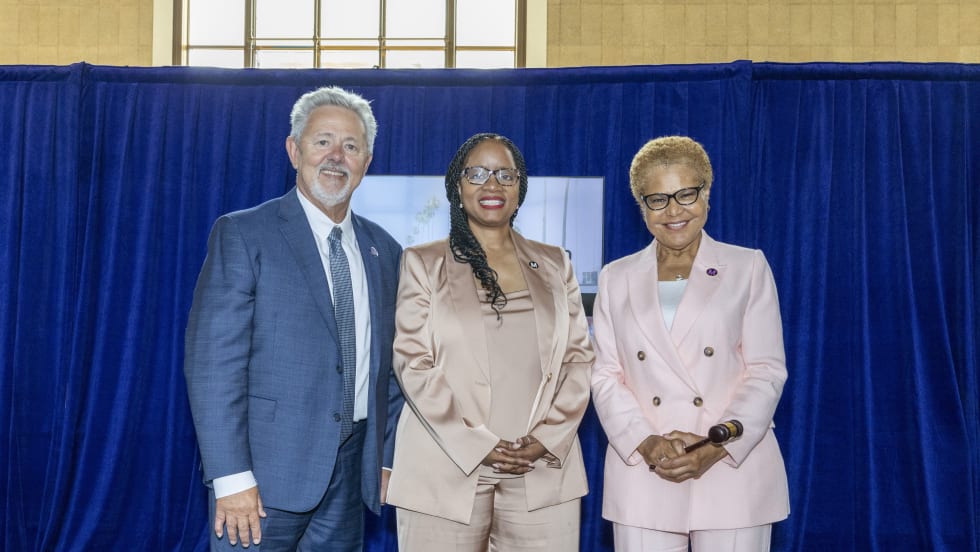
LA Metro Marks Banner Year, Sets Ambitious Goals for New Fiscal Year
Incoming LA Metro Board Chair and Los Angeles Mayor Karen Bass joined outgoing Board Chair Fernando Dutra and LA Metro CEO Stephanie Wiggins to review accomplishments from fiscal year 2026, which included the opening of new rail extensions, advancement of major transit projects, expanded safety programs, and new rider amenities.
Read More →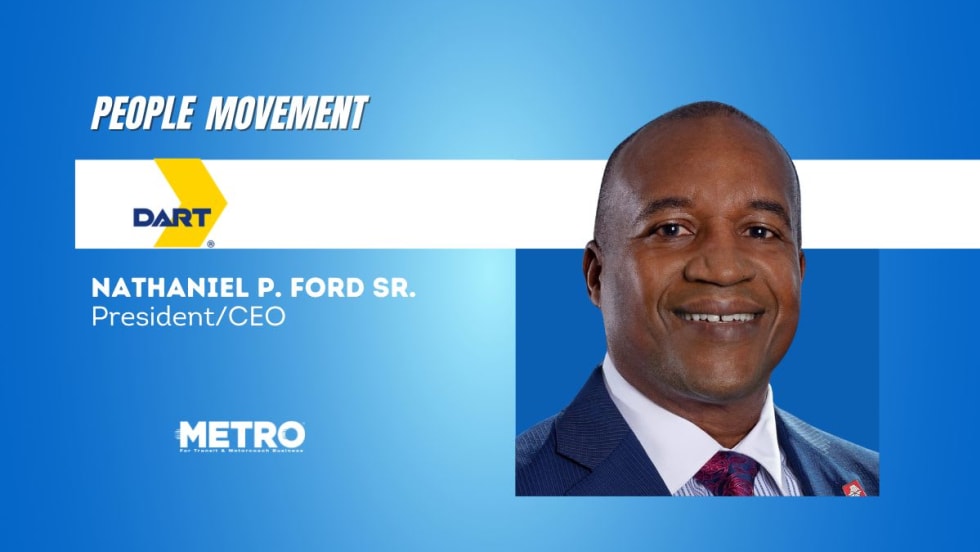
DART Taps Nathaniel P. Ford Sr. as Next President/CEO
Since 2012, Ford has served as the CEO of the Jacksonville Transportation Authority
Read More →
AC Transit’s Cecil Blandon on Building the Next Generation of Transit Maintenance Leaders
The agency’s maintenance chief discusses leadership, workforce development, zero-emission technology, and preparing technicians for the future of public transportation.
Read More →
Building the Next Generation of Transit Technology
In this edition of METROspectives, Luminator CEO Magnus Friberg discusses the company's transformation, the growing role of AI and software, and what's next for transit technology.
Read More →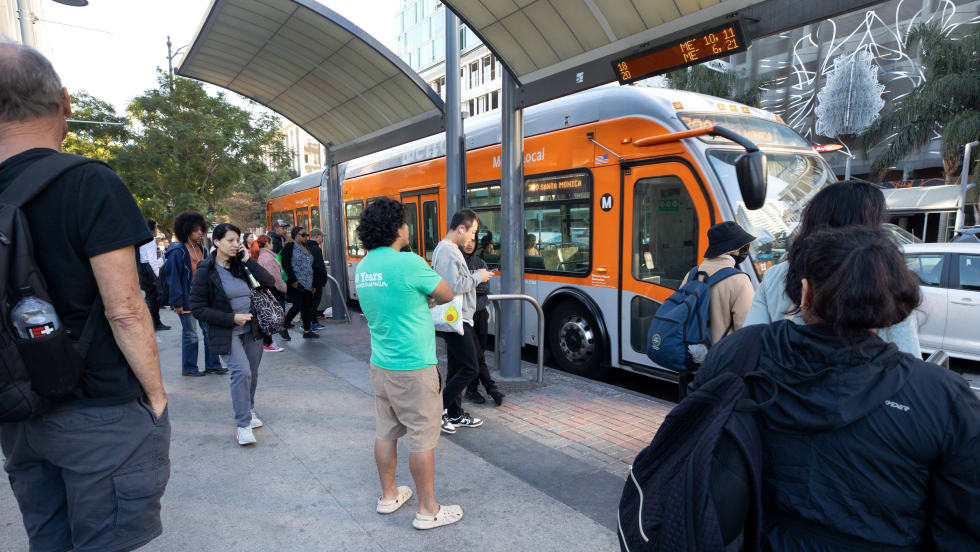
June LA Metro Ridership Surges 2 Million Year Over Year
Total June ridership increased for both weekdays and weekends. Weekday ridership was 953,820, which grew 8.4% from June 2025; Saturdays increased nearly 13% year-over-year to 708,826; and Sundays increased 7.7% to 611,534 from June 2025, according to LA Metro.
Read More →
Washington's Pierce Transit Board Sends Transit Funding Measure to November Ballot
With the adoption of Resolution 2026-006, the measure moves to the Pierce County Auditor, giving voters in the Pierce Transit service area the decision on whether to fund an expansion of local transit service within the agency’s service area.
Read More →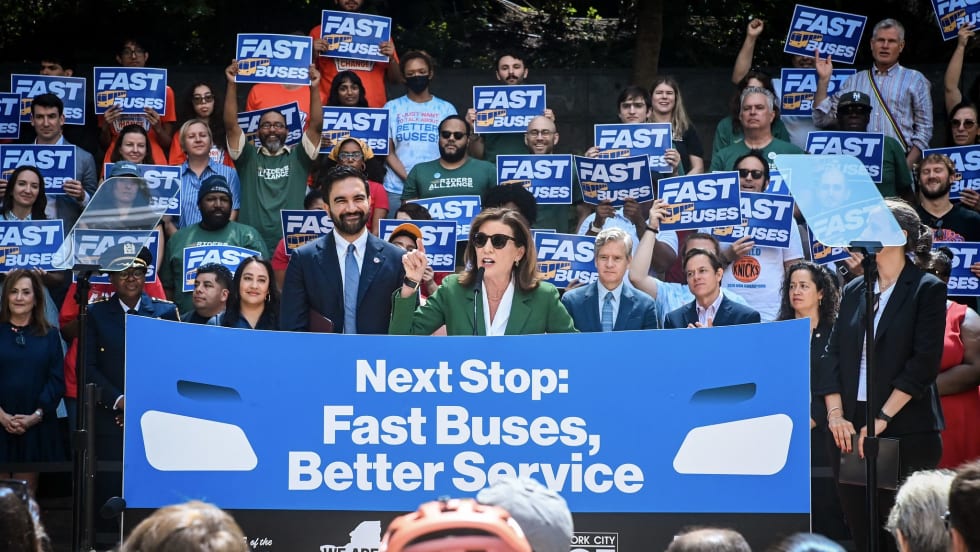
New York Unveils Sweeping Plan to Modernize City Bus Service
Next Stop: Fast Buses, Better Service identifies 50 priority bus corridors for improvements across the five boroughs and launches the City’s next generation of rapid bus service along five key routes.
Read More →
CTDOT Taps STV for Electric Bus Facility Design
The firm will work with CTDOT and RVT to define the facility layout, operational requirements, and long-term flexibility for RVT’s growing electric fleet.
Read More →
Ford to Leave JTA After More Than 10 Years as CEO
He plans to continue his work advancing innovative mobility solutions to improve the quality of life in communities across the nation. He did not announce specific plans.
Read More →
Transit Leaders Push for Bus Procurement Reforms to Reduce Costs
Industry experts said reducing unnecessary bus customization and modernizing purchasing practices could help transit agencies buy more vehicles, improve reliability, and make better use of limited funding.
Read More →