



Chicago Transit releases 2014 budget recs
Reflects the positive impacts of operational efficiency reforms by CTA management to reduce wasteful spending and manage day-to-day operations more efficiently. The budget also includes the 1,000 customer-facing jobs the CTA created in 2013 to better serve passengers.

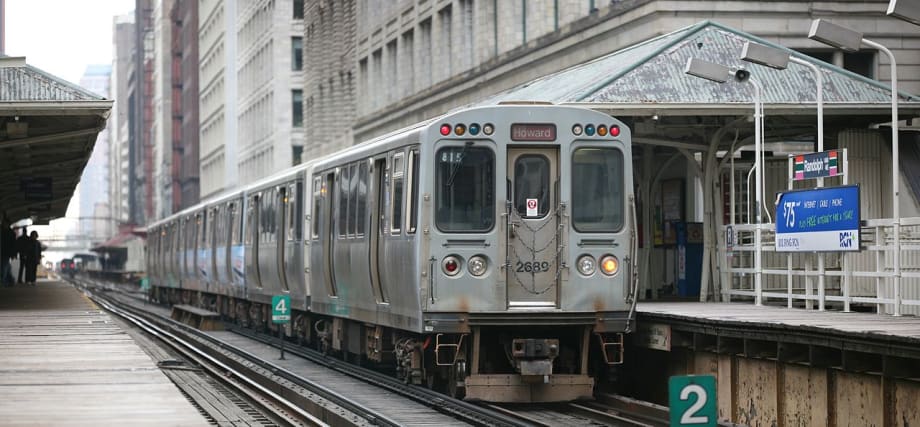
The budget reflects the positive impacts of operational efficiency reforms by CTA management to reduce wasteful spending and manage day-to-day operations more efficiently. The budget also includes the 1,000 customer-facing jobs the CTA created in 2013 to better serve passengers.
The agency in 2014 will continue its ambitious $4 billion capital investment plan begun in 2011, including rehabilitating rail stations, modernizing rail and bus fleets, and bringing the agency’s massive infrastructure into a state of good repair to improve reliability and safety.
“The CTA has operated efficiently and responsibly with three straight years of balanced budgets after inheriting a $308 million deficit in 2011,” said CTA President Forrest Claypool. “We’ve done so through rigorous management reforms that have reduced waste and trimmed spending, while upholding service and fare levels for our customers and creating permanent jobs that better serve passengers. Our new collective bargaining agreement with CTA labor unions has also contributed significantly to the financial turnaround, allowing us to reduce costs while also adding good service-providing jobs for union members.”
The CTA continues its strong financial performance despite the negative effects of state budget cuts and higher unfunded state mandates for everything from health care and pension costs to free and discounted rides.
The budget reflects management reforms previously put into place, including modernizing supply chain operations to better track purchases and inventory and achieve lowest-cost pricing. It also includes progress in lowering absenteeism, which has declined in 2012 and 2013 and is estimated to save the agency $10 million a year.
More Bus

New York MTA Plans Largest Bus Fleet Upgrade in More Than a Decade
The agency is seeking manufacturers for 650 new CNG buses to replace aging vehicles, improve reliability, and advance its broader fleet modernization strategy.
Read More →
Building a Flexible Path to Transit Electrification
John Hroncich discusses BAE Systems’ modular and scalable approach, lessons learned from decades of real-world operations, and how agencies can identify electrification strategies that fit their fleets.
Read More →
Bus Tech Talk: Keeping Transit Technicians Ahead of the Technology Curve
LA Metro’s Obed Mejia discusses technician training, evolving maintenance technology, fleet replacement, and strategies for getting the most out of today’s transit fleets.
Read More →
Biz Briefs: RIPTA Unveils New Frontrunners, Clevland RTA Adds New Siemens, and More
In METRO's latest installment, we take a look at recent news from Siemens, Prevost, Dodge, and more partnerships making headlines across the transportation sector.
Read More →
People Movement: Holly Arnold Joins Transdev and More
In this edition, we also cover recent appointments and announcements at Pace, CamTran, MCI, and more, showcasing the individuals helping to shape the future of transportation.
Read More →
The High Cost of Transit Buses: Industry Leaders Look to Procurement Reform
Transit leaders and policymakers examine how standardized bus designs, streamlined procurement, and predictable funding could help agencies stretch budgets and deliver better service.
Read More →
The Business Voice Behind Public Transportation
As chair of APTA’s Business Members Board of Governors, Ray Melleady explains how more than 850 business members are partnering with transit agencies to advance funding, innovation, and industry-wide collaboration.
Read More →
From Surviving to Thriving: Building Stronger Transportation Organizations
Bus Business Consultants founder Brian Dickson shares lessons on leadership, organizational health, and creating options for long-term success in a changing transportation industry.
Read More →
Finding the ‘Happy Medium’: Optimizing Maintenance Without Sacrificing Reliability
The key to maintenance optimization isn’t doing less work—it’s doing the right work at the right time on the right assets.
Read More →
LA Metro, City of West Hollywood, and Partners Advance Smarter Bus Lane Enforcement
The award-winning partnership combines AI-powered detection with human oversight to improve bus reliability, accessibility, and enforcement efficiency.
Read More →