



Coalition urges Congress to retain transit commuter benefit
Getting America to Work is opposing a 50% cut in the transit benefit that is planned for Jan. 1. Current law allows workers and employers to pay up to $245 in monthly transit costs with tax-exempt dollars.

Getting America to Work (GATW), a nationwide coalition advocating for federal investment in the nation’s bus and rail transit systems, is urging members of Congress to keep public transportation affordable for 2.7 million American families by stopping scheduled cuts to the tax-free benefit for commuters using public transportation to get to work.
Current law allows workers and employers to pay up to $245 in monthly transit costs with tax-exempt dollars. This is the same maximum tax-free amount allowed for a similar benefit for those who drive to work and pay for parking. However, on Jan. 1, the transit benefit maximum is scheduled to be cut almost in half, to $125 per month, while the parking benefit will remain at a maximum of $245.
“Keeping parity between commuter benefits for transit and parking is nonpartisan, common sense policy,” said Joe Costello, executive director of the Northeastern Illinois Regional Transportation Authority and Chairman of Getting America to Work. “Transit benefits encourage more workers to use public transportation, reducing traffic congestion, the demand for gasoline and air pollution. I urge Congress to preserve transit-parking benefit parity.”
Now that the government shutdown has ended, Congress is turning its attention to a long-term budget deal. Two bills, H.R. 2288 and S. 1116, have been introduced to preserve transit parity. If these bills are not passed or included as part of a budget deal, workers who rely on public transit will have their maximum pre-tax benefits for commuting cut in half on Jan., 1, 2014.
“We must take positive action to preserve pre-tax benefits for those who rely on public transportation to get to work,” said Stephen F. Lalli, executive director of the Oklahoma Transit Association in Oklahoma City. “The scheduled $120-per-month disparity between benefits for drivers and those who use public transit is unacceptable and unfair. Congress must stop the scheduled transit benefit cut.”
More Paratransit

Biz Briefs: RIPTA Unveils New Frontrunners, Clevland RTA Adds New Siemens, and More
In METRO's latest installment, we take a look at recent news from Siemens, Prevost, Dodge, and more partnerships making headlines across the transportation sector.
Read More →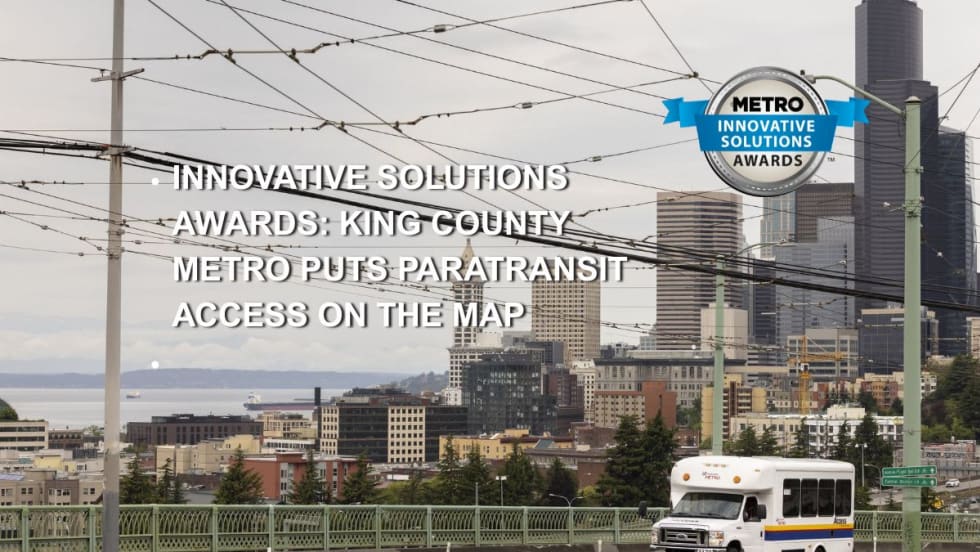
King County Metro Makes ADA Paratransit Easier to Navigate
METRO's Innovative Solutions Award winner replaces complex service-area descriptions with an accessible, interactive map that puts paratransit information directly in customers’ hands.
Read More →
Jacksonville’s NAVI Project Charts a New Course for Autonomous Public Transportation
Through its NAVI program, JTA is showing how autonomous vehicles, intelligent infrastructure, and coordinated operations can work together to deliver everyday public transportation.
Read More →
Driving Smarter Paratransit
John Hanlon shares how AlphaRoute is leveraging AI-powered technology to help paratransit providers optimize operations, support frontline staff, and enhance the rider experience.
Read More →
METRO Magazine Announces 2026 Innovative Solutions Awards Winners
Projects Recognized for Advancing Mobility Through Technology, Accessibility, Workforce Innovation, and Operational Excellence
Read More →
Biz Briefs: STV teams with Amtrak, Motorcoach Operators Boost Fleet and Land Contracts, and More
From manufacturers and suppliers to transit agencies and motorcoach operators, these updates offer a snapshot of the projects, partnerships and business moves driving the industry forward.
Read More →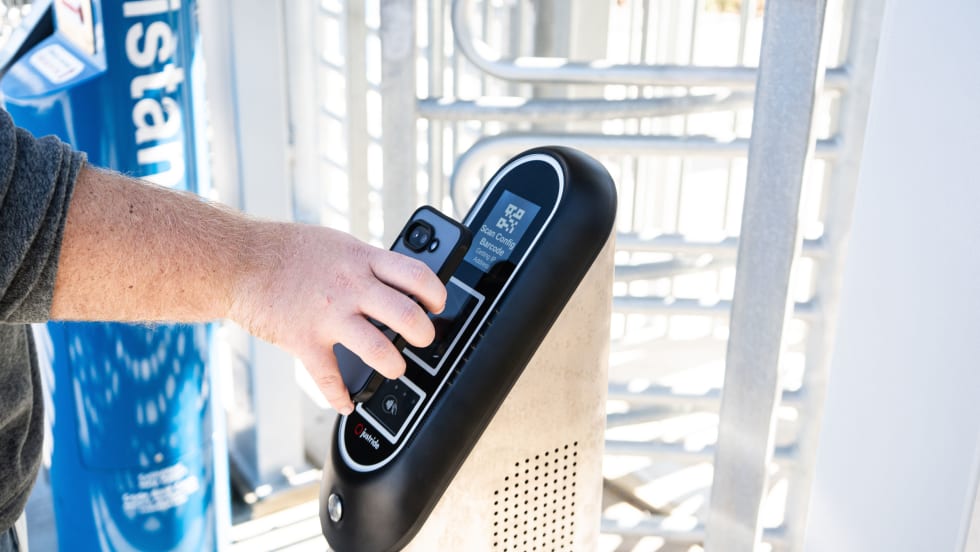
Biz Briefs: Masabi Teams with St. Louis Metro and More
In METRO's latest installment, we take a look at recent news from Transdev, Hitachi, and more partnerships making headlines across the transportation sector.
Read More →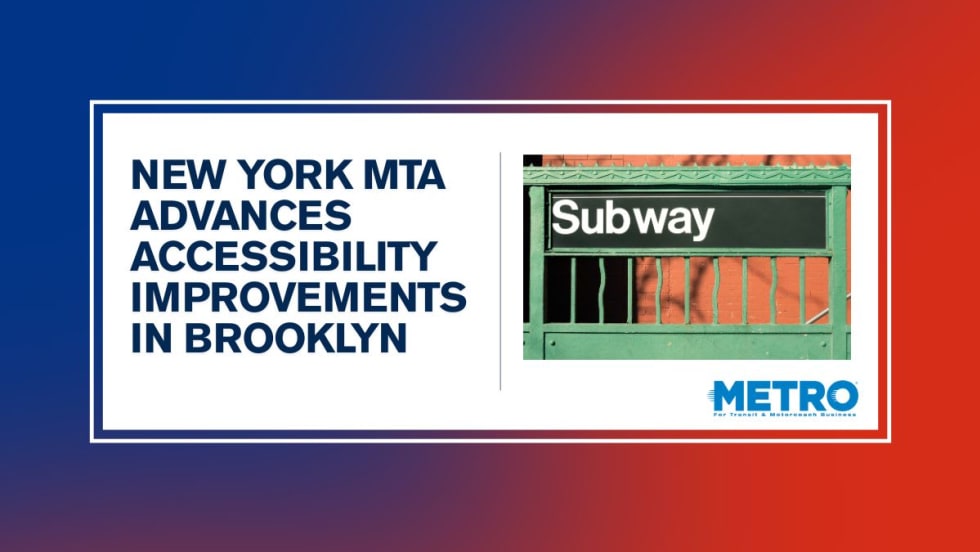
New York MTA Leverages Zoning Program to Advance Station Accessibility
Accessibility enhancements at Nevins St Station will be financed through a development agreement tied to the MTA's Zoning for Accessibility initiative.
Read More →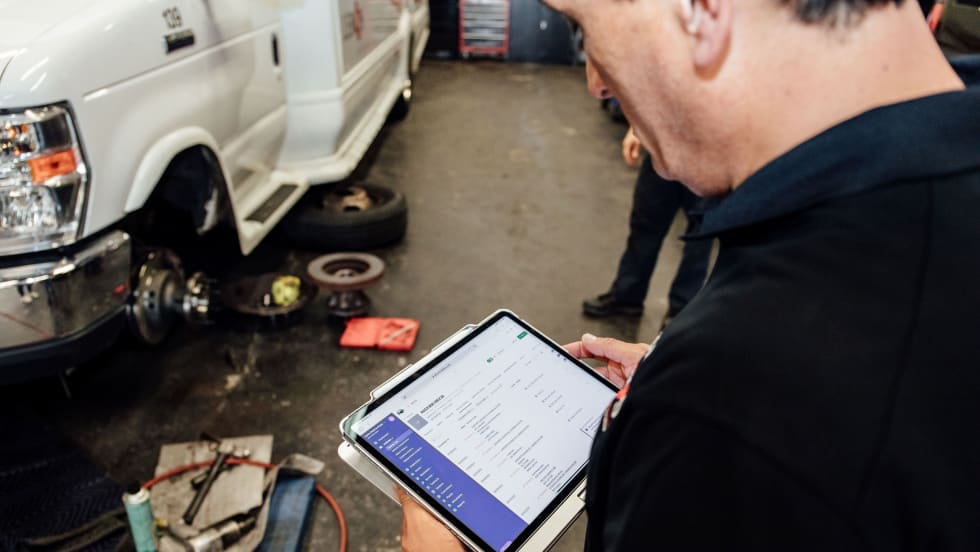
Reinventing Fleet Maintenance with Real-time Visibility and AI
Transit leaders need to know what needs fixing, where to look, who is responsible, when work is completed, and what it costs without having to chase information across disconnected systems.
Read More →
SamTrans Sets Priorities for Potential Connect Bay Area Revenue
The board-approved framework allocates future funding to maintaining service, rider improvements, equity initiatives, and infrastructure repairs.
Read More →