



SPX Genfare to upgrade VIA fare collection system
Will replace a 20-year-old system with Genfare’s newest electronic fare media collection and data management technology for a better and more convenient transit experience.

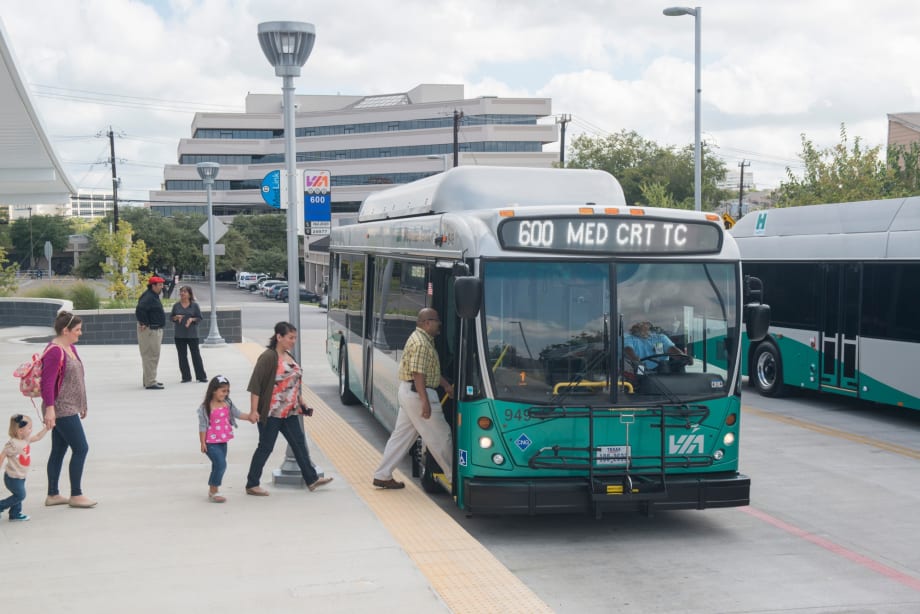
Photo courtesy VIA
Photo courtesy VIA
The agency will replace a 20-year-old system with Genfare’s newest electronic fare media collection and data management technology for a better and more convenient transit experience.
VIA will be adding SPX Genfare’s Odyssey Plus fareboxes and the e-Fare Web-based sales and management solution. Odyssey Plus accepts and processes magnetic fare and smart cards, in addition to accepting, issuing and validating electronic transfers. The Web-based e-Fare is a smart card solution that allows riders to buy and update fare media online using a computer, tablet or smart phone.
VIA began operations in 1978 and now maintains a fleet of more than 500 buses for 90-plus bus lines with more than 7,000 bus stops in San Antonio and Bexar County. The transit agency added Primo bus rapid transit to its mix in December 2012. They also provide paratransit service for riders with special needs.
More Bus
VIA, MBTA Reach Pre-Pandemic Ridership Milestones as Transit Use Climbs
VIA surpasses three million monthly trips for the first time since 2020, while the MBTA tops one million average weekday trips as both agencies report continued ridership growth.

What Transit Maintenance Facilities Should Know About Gas-Detection Placement
Proper gas-detector placement is critical to maintaining safety in transit maintenance facilities, requiring agencies to consider fleet fuel types, ventilation, shop operations, and ongoing equipment maintenance.
Improving Transit Safety and Reliability Through AI
Hayden AI’s Chief Growth Officer, Charley Territo, discusses how AI-powered camera enforcement is helping transit agencies keep bus lanes and stops clear, improve accessibility, and move from pilot programs to full-scale deployments.

Castro to Lead RTC of Southern Nevada and More in People Movement
In this edition, we also cover recent appointments and announcements at the STV, MCI, and more, showcasing the individuals helping to shape the future of transportation.

Study: Denver RTD Generates $2.1 Billion in Annual Economic Activity
An economic impact study finds the agency supports approximately 17,500 jobs, delivers $1.6 billion in annual community and mobility benefits, and generates $2.42 in economic value for every dollar invested.

Mark Aesch Nominated to Lead Federal Transit Administration
The former Rochester transit chief and TransPro founder, who has also contributed to METRO Magazine, brings decades of industry experience and a focus on performance, accountability, and financial sustainability to the nomination.

Pierce Transit Moves to Expand Fleet Following Proposition 1 Approval
The agency authorized the purchase or refurbishment of up to 60 buses to support a 47% service expansion, as voters nationwide approved billions in new transit funding.

Transit Expands Agency Partnerships, Reaching 200 Official App Partners
COO Jake Sion discusses Transit’s growth, the success of its Transit Royale program, and how technology is helping agencies improve the rider experience.
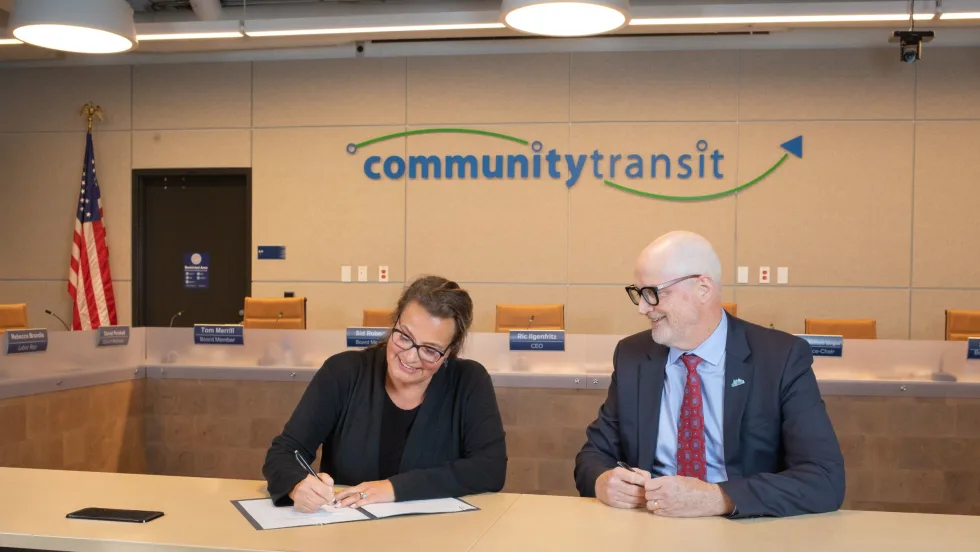
Everett Transit, Community Transit Approve Consolidation of Services
The agreement will bring Everett Transit into Community Transit’s network in April 2027, with plans to increase bus service by 50% by 2031 and expand regional connections.
Brian Dickson on Building Stronger, More Resilient Transportation Organizations
Bus Business Consultants Founder Brian Dickson discusses the leadership principles, operational discipline, and strategic planning that separate transportation companies positioned for long-term success from those stuck in survival mode.