



Mich. voters support tax hike for transit improvements
Ann Arbor Area Transportation Authority survey finds that nearly 65% of area voters said they are likely to support a property tax increase to pay for new and improved services.

Nearly 65% of voters in Ann Arbor, Ypsilanti and Ypsilanti Township said in responses to an Ann Arbor Area Transportation Authority (AAATA) survey that they are likely to support a less than one-mill property tax increase in 2014.
The increase would pay for new and improved public transit services if the extra funding is tailored to meet the diverse and growing transportation needs of residents in the three communities.
Those survey was conducted by CJI Research on behalf of the AAATA, which is discussing efforts to expand services prompted by requests from local government and civic leaders in the three municipalities.
Based on the survey results, AAATA officials said they are considering a recommendation that calls for the AAATA board to approve placing a 0.7-mill, five-year property tax increase proposal on the 2014 ballot for residents in Ann Arbor, Ypsilanti and Ypsilanti Township. The date of the potential election is still to be determined pending the outcome of the AAATA board’s decision.
If approved, the millage for the new transit improvement plan, "TheRide Your Way," would generate a total of $4.3 million for new and expanded services annually through 2019. The owner of a typical home with a market value of $100,000 in the millage area of Ann Arbor, Ypsilanti and Ypsilanti Township would pay $35 per year; the owner of a typical home with a market value of $200,000 would pay approximately $70 annually under the proposal, according to AAATA estimates.
The AAATA, also known as TheRide, will use the additional funding to fulfill residents’ requests for enhanced services in the three communities, including:
Expanded Dial-A-Ride/paratransit services for seniors and people with disabilities.
More direct service through redesigned routes.
Extended hours on weekdays and nights.
Extended weekend service on fixed routes (earlier start times, much later end times).
Improved bus stops.
Increased service frequency on many routes.
The AAATA commissioned CJI Research to conduct a random survey of 841 registered voters in the three communities from October through December last year. The results reflect a combination of telephone interview responses and email surveys with online responses to ensure representation of cell-only households.
Voters in Ann Arbor, Ypsilanti and Ypsilanti Township said they understand the importance of public transit, and 63% said they either probably would or definitely would pay a new tax to expand services. Less than one-third of voters in the three communities — 31% — said they probably would or definitely would vote no, while 6% were undecided.
More Paratransit

Biz Briefs: RIPTA Unveils New Frontrunners, Clevland RTA Adds New Siemens, and More
In METRO's latest installment, we take a look at recent news from Siemens, Prevost, Dodge, and more partnerships making headlines across the transportation sector.
Read More →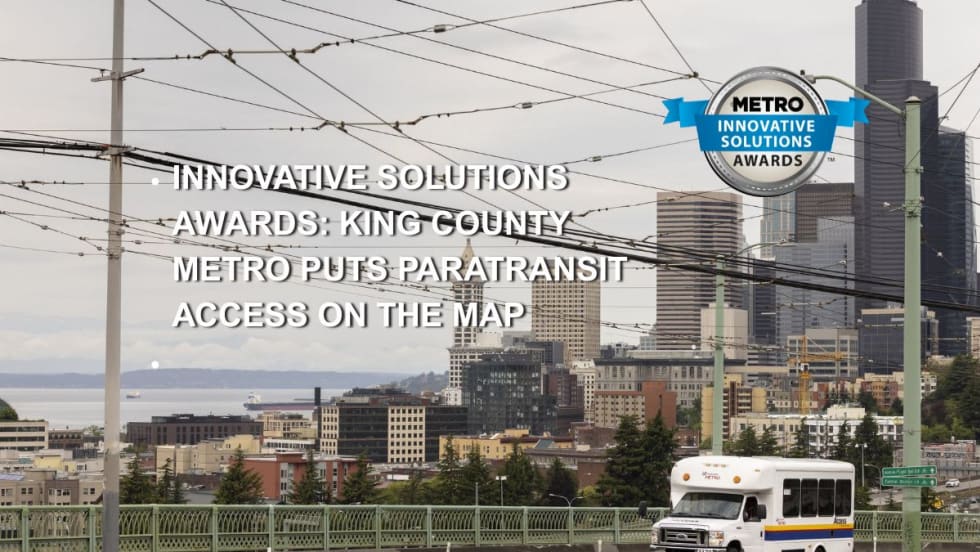
King County Metro Makes ADA Paratransit Easier to Navigate
METRO's Innovative Solutions Award winner replaces complex service-area descriptions with an accessible, interactive map that puts paratransit information directly in customers’ hands.
Read More →
Jacksonville’s NAVI Project Charts a New Course for Autonomous Public Transportation
Through its NAVI program, JTA is showing how autonomous vehicles, intelligent infrastructure, and coordinated operations can work together to deliver everyday public transportation.
Read More →
Driving Smarter Paratransit
John Hanlon shares how AlphaRoute is leveraging AI-powered technology to help paratransit providers optimize operations, support frontline staff, and enhance the rider experience.
Read More →
METRO Magazine Announces 2026 Innovative Solutions Awards Winners
Projects Recognized for Advancing Mobility Through Technology, Accessibility, Workforce Innovation, and Operational Excellence
Read More →
Biz Briefs: STV teams with Amtrak, Motorcoach Operators Boost Fleet and Land Contracts, and More
From manufacturers and suppliers to transit agencies and motorcoach operators, these updates offer a snapshot of the projects, partnerships and business moves driving the industry forward.
Read More →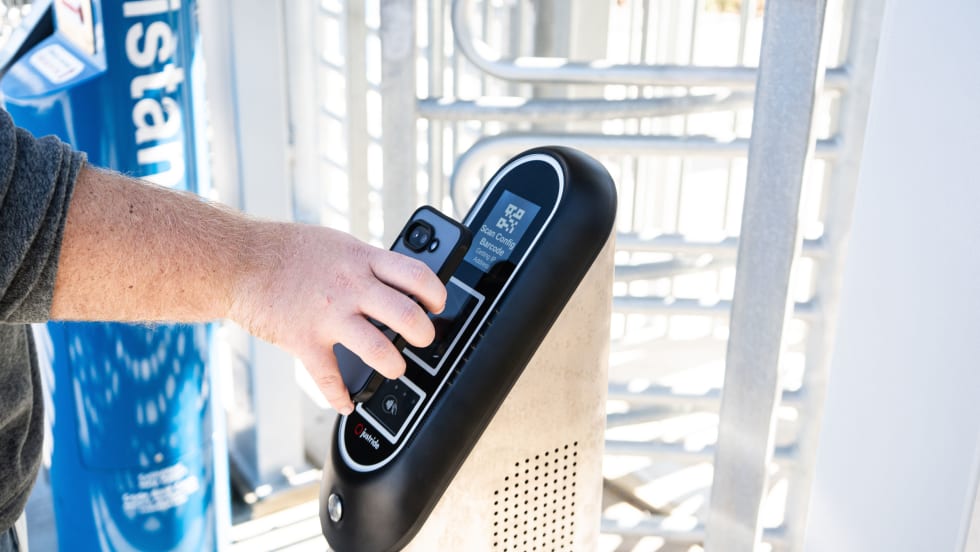
Biz Briefs: Masabi Teams with St. Louis Metro and More
In METRO's latest installment, we take a look at recent news from Transdev, Hitachi, and more partnerships making headlines across the transportation sector.
Read More →
New York MTA Leverages Zoning Program to Advance Station Accessibility
Accessibility enhancements at Nevins St Station will be financed through a development agreement tied to the MTA's Zoning for Accessibility initiative.
Read More →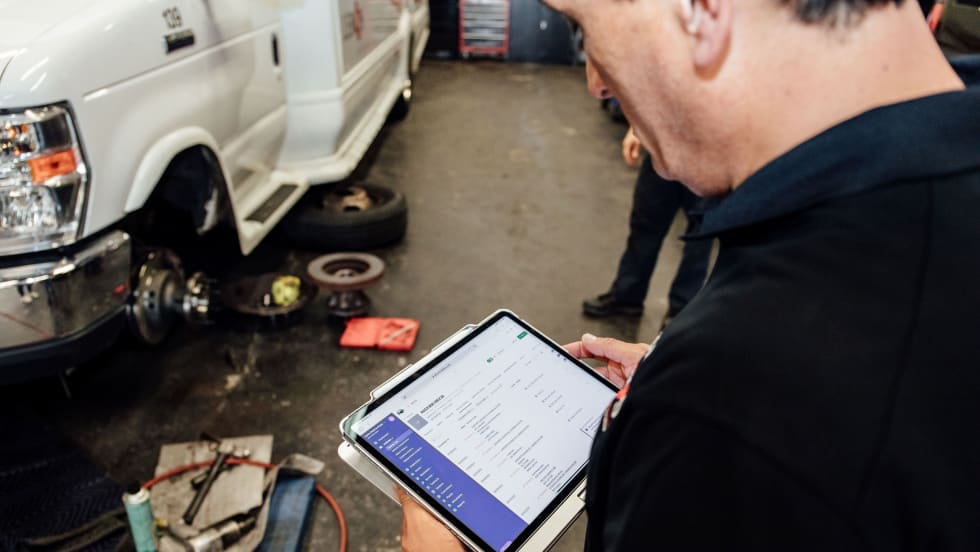
Reinventing Fleet Maintenance with Real-time Visibility and AI
Transit leaders need to know what needs fixing, where to look, who is responsible, when work is completed, and what it costs without having to chase information across disconnected systems.
Read More →
SamTrans Sets Priorities for Potential Connect Bay Area Revenue
The board-approved framework allocates future funding to maintaining service, rider improvements, equity initiatives, and infrastructure repairs.
Read More →