



N.Y. MTA program to improve worker, passenger safety
Chairman/CEO Thomas F. Prendergast announced he is creating the position of chief safety officer, a new senior management post reporting directly to the chairman/CEO, to ensure safety is a top priority throughout all MTA operations.

The New York Metropolitan Transportation Authority (MTA) announced a series of initiatives to improve safety throughout its operations by strengthening reporting responsibilities, emphasizing management oversight and installing automatic speed protections.
Chairman/CEO Thomas F. Prendergast announced he is creating the position of chief safety officer, a new senior management post reporting directly to the chairman/CEO, to ensure safety is a top priority throughout all MTA operations. The MTA will also create a new Safety Committee on its board to provide focused oversight of safety issues.
In addition, each MTA agency will ensure its top safety official reports directly to the agency’s president, to reinforce that safety is a prime concern for every agency’s management. At Metro-North Railroad, where safety and security now report to the same position, the responsibilities will be separated and a new position of chief safety officer will be created.
“The safety of our customers and employees is unquestionably the top priority for the MTA and these steps will make sure this emphasis on safety is built into the operations of every MTA agency,” Prendergast said. “The events of the last year have made clear to everyone in the MTA how important it is to create a culture where all employees act to eliminate risks, and changing our executive structure will ensure safety remains a dedicated agency value.”
Agency presidents discussed their safety programs at a recent meeting of MTA board committees, detailing how they monitor the condition of crews and equipment, search for potential problems and fix those that they discover. Key among the presidents’ efforts is emphasizing and improving the safety culture within their agencies, so all operations have safety as their primary objective.
All MTA agencies have re-examined their safety-related operations over the last year. Prendergast, who has spent 10 years of his career in safety positions, convened a Blue Ribbon Panel of outside experts to study MTA safety practices in September.
In addition, Metro-North Railroad and the Long Island Rail Road announced they have installed automatic speed controls at 10 critical curves and one moveable bridge since the Dec. 1, 2013 Metro-North derailment at a curve in Spuyten Duyvil. These controls work with existing signal systems installed in every train cab to enforce speed limits at those locations.
“The MTA has a long tradition of safe and reliable operations, which is why our customers and our employees are rightly upset with the failures we’ve seen in the last year,” Prendergast said. “We are making these and many other improvements so our customers and employees can be confident on the MTA network. Safety is a mindset, not a checklist, and these improvements are important actions to ensure the MTA earns the trust of our customers and employees again.”
More Rail
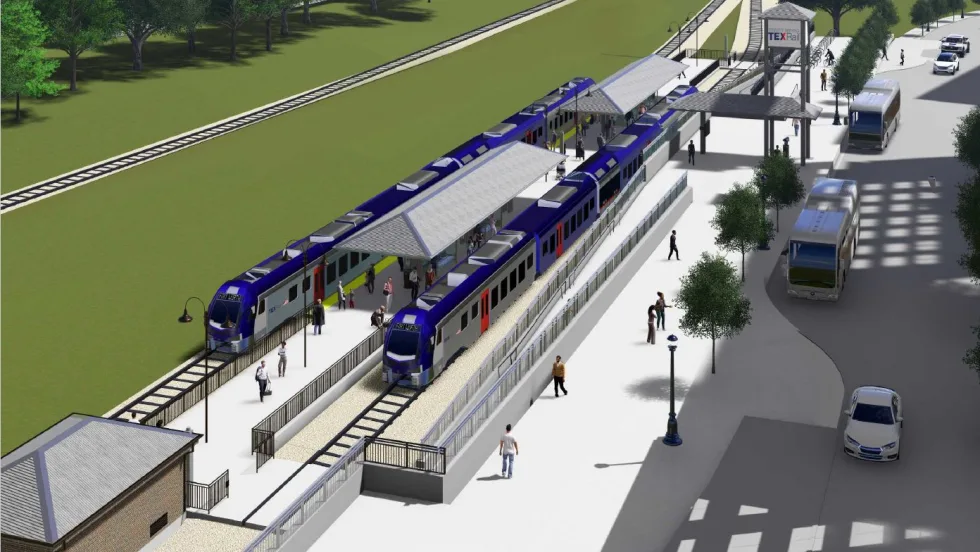
Trinity Metro Breaks Ground on $270M TEXRail Extension
The 2.1-mile extension will connect Fort Worth’s Medical District and Near Southside to downtown, surrounding communities, and Dallas-Fort Worth International Airport.
Read More →
Bringing Austin’s First Light Rail System to Life
Austin Transit Partnership CEO Greg Canally discusses the city's nearly 10-mile light rail project, its collaborative approach to project delivery, the importance of community engagement, and the milestones ahead as construction approaches in 2027.
Read More →
Metra Draft Plan Outlines Costs, Service Improvements for Regional Rail
The Systemwide Network Plan identifies infrastructure needs and potential investments to expand all-day, bidirectional rail service across the Chicago region.
Read More →
Amtrak Completes First Street Tunnel Upgrades, Restores Service
The nine-day construction project included replacing aging track infrastructure and modernizing switch systems near Washington Union Station.
Read More →
FRA Announces $2.3B for Passenger, Freight Rail Projects Nationwide
The CRISI Grant Program funding will support rail infrastructure improvements, safety upgrades, and projects aimed at improving freight and passenger rail service across 45 states and Washington, D.C.
Read More →
Caltrain’s Electrification Drives a New Era of Ridership Growth
The railroad’s shift to electric service has brought more frequent trains, stronger customer satisfaction, and increased ridership, earning it APTA’s Outstanding Public Transportation System award.
Read More →
FTA Advances $164M Broward County Commuter Rail Project
The proposed 10.5-mile commuter rail extension would connect Fort Lauderdale and Aventura, expanding passenger rail options in South Florida.
Read More →
New York MTA Launches Historic $1.9B Signal, Track Modernization Project
Funded in part by congestion pricing revenue, the project will replace nearly century-old signals along the A and C lines in Brooklyn and Queens.
Read More →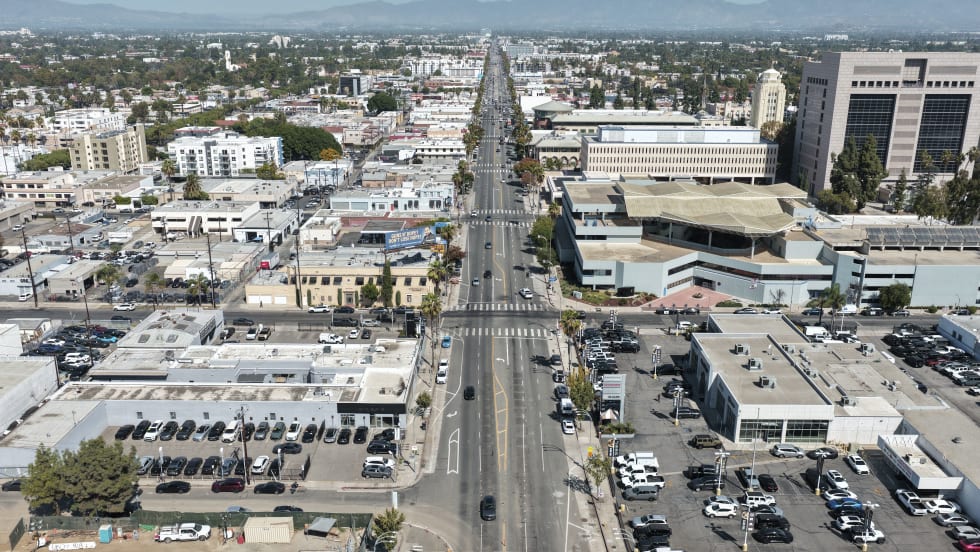
LA Metro Breaks Ground on East San Fernando Valley Light Rail Project
The 6.7-mile line will add 11 stations along Van Nuys Boulevard, expand access to jobs and regional transit connections, and support Metro’s broader efforts to improve mobility as rail ridership grows.
Read More →
CSA Group Releases Climate Resilience Standard for Transit, Passenger Rail
Developed with support from the Standards Council of Canada, CSA D700 guides assessing climate-related risks and planning adaptation measures for transit and passenger rail systems.
Read More →