



BYD, Wash. transit to pilot electric bus service
Spokane Transit is participating in a statewide evaluation of one of the manufacturer’s all-electric buses. The zero-emissions bus debuted on Friday and will run on several routes throughout March.

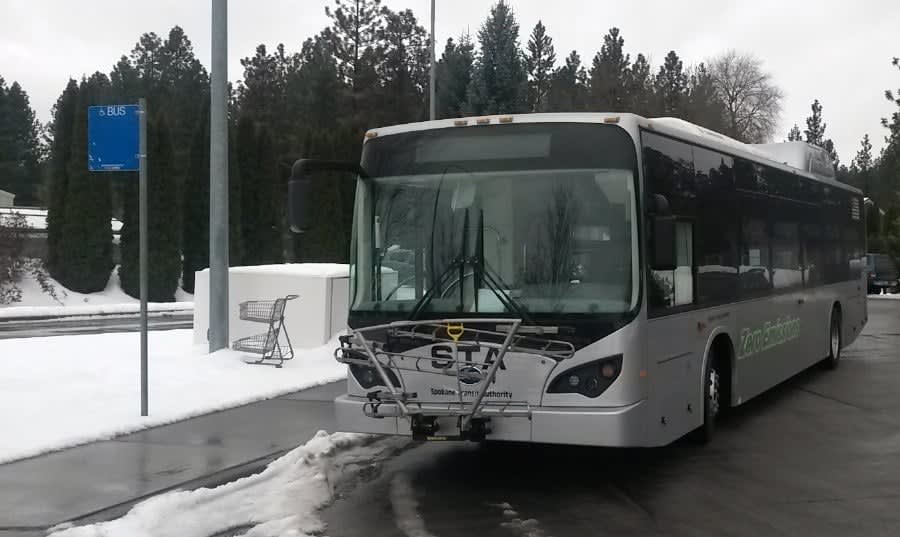
Spokane Transit (STA) is participating in a statewide evaluation of an all-electric bus produced by BYD Motors. The zero-emissions bus debuted on Friday in Spokane.
“We are looking forward to running the vehicle for about a month,” said E. Susan Meyer, CEO, STA. “We are always interested in exploring environmentally-friendly, cost-effective fuel alternatives.”
The bus will alternate between several routes throughout March.
STA integrated the first hybrid diesel-electric buses into its fleet in 2007. That number has now grown to 28. The transit system’s hybrid buses have 17% better fuel economy than standard diesel buses and produce 17% fewer emissions, according to BYD.
The eight new buses that STA will receive this year will be fitted with electric cooling systems technology that the transit system tested and found to improve fuel economy and reduce emissions by an additional 6% over buses using a conventional hydraulic cooling system. The transit agency has also upgraded the transmission systems on its buses for additional fuel economy and emissions reduction.
STA’s testing of electric bus technology comes at an opportune time because the board of directors will soon make decisions about bus replacements planned for delivery in 2018-2019.
BYD describes the all-electric bus as “clean, silent and efficient,” using the industry's first environmentally-friendly, fire-safe battery chemistry, according to the manufacturer.
The vehicle’s 324 kilowatt, non-toxic, iron-phosphate battery is designed to power the bus for up to 24 hours on a single, nighttime charge. The battery will last 20 years beyond the average 12-year life of a bus, and can be reused in non-transportation applications, according to BYD.
More Bus
Everett Transit, Community Transit Outline Consolidation Agreement
The proposed agreement calls for a 50% increase in bus service in Everett, a new microtransit zone, continued paratransit service, and the transfer of Everett Transit operations to Community Transit.
Read More →
SEPTA Details Accelerate Vision for Transit System
The plan outlines investments in trolley modernization, new Metro and Regional Rail vehicles, accessible stations, and more frequent bus and rail service.
Read More →
Report: Transit Bus Manufacturing Supports 34,100 Jobs, $5.1B in GDP
The “Buses Mean Business” report examines the transit bus manufacturing industry’s economic footprint, supply chain, and rising demand for vehicle replacements.
Read More →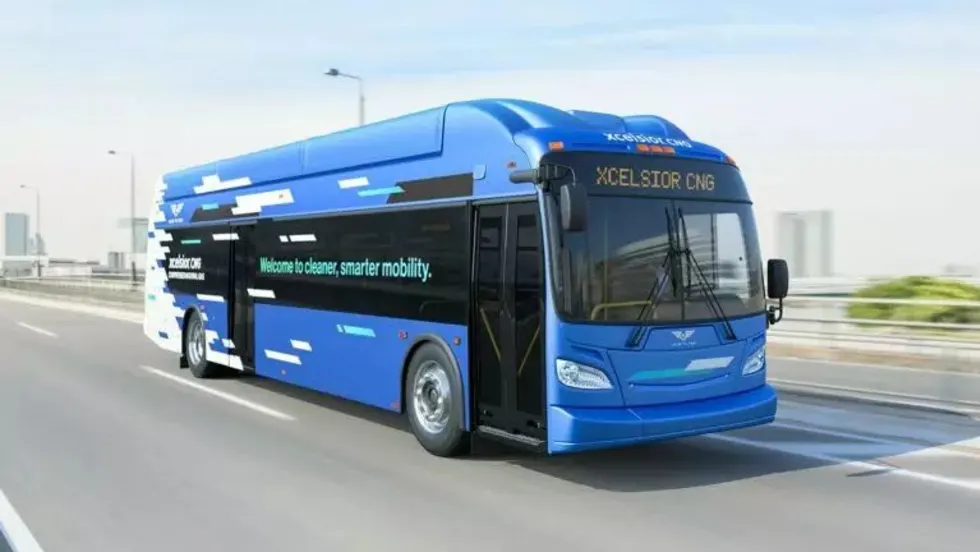
Biz Briefs: New Flyer Delivers in Columbus, Houston, Beep and Freebee Merge, and More
In this edition of Biz Briefs, we spotlight the latest developments shaping the future of mobility.
Read More →
People Movement: Dan Dipert Coaches Adds Third-Generation Leader, Keolis Names New Valley Metro VP/GM, and More
In this edition, we also cover recent appointments and announcements at the Wabtec, SilverRide, HNTB, and more, showcasing the individuals helping to shape the future of transportation.
Read More →
New York MTA Plans Largest Bus Fleet Upgrade in More Than a Decade
The agency is seeking manufacturers for 650 new CNG buses to replace aging vehicles, improve reliability, and advance its broader fleet modernization strategy.
Read More →
Building a Flexible Path to Transit Electrification
John Hroncich discusses BAE Systems’ modular and scalable approach, lessons learned from decades of real-world operations, and how agencies can identify electrification strategies that fit their fleets.
Read More →
Bus Tech Talk: Keeping Transit Technicians Ahead of the Technology Curve
LA Metro’s Obed Mejia discusses technician training, evolving maintenance technology, fleet replacement, and strategies for getting the most out of today’s transit fleets.
Read More →
Biz Briefs: RIPTA Unveils New Frontrunners, Clevland RTA Adds New Siemens, and More
In METRO's latest installment, we take a look at recent news from Siemens, Prevost, Dodge, and more partnerships making headlines across the transportation sector.
Read More →
People Movement: Holly Arnold Joins Transdev and More
In this edition, we also cover recent appointments and announcements at Pace, CamTran, MCI, and more, showcasing the individuals helping to shape the future of transportation.
Read More →