



Metro-North, LIRR to install video/audio recorders
Meanwhile, both railroads are working together to procure and install Positive Train Control as quickly as possible.

Metropolitan Transportation Authority (MTA) Metro-North Railroad, on behalf of itself and MTA Long Island Rail Road, intends to move forward on a plan to install outward- and inward-facing video and audio recorders on its trains, following up on a recommendation by the National Transportation Safety Board.
“The MTA is committed to safe operations at all its agencies,” said Thomas F. Prendergast, MTA Chairman/CEO. “We will be systematically implementing recommendations put forward by the NTSB and other regulators to ensure the best practices are adhered to throughout the MTA family.”
Prospective vendors will be asked to design, manufacture, and deliver an on-board video recording system. The base order would cover the newest cars in the railroads’ fleets, Metro-North’s M-8s, both railroads’ M-7s and cab cars, as well as all locomotives. This includes 843 rail car cabs for Metro-North and 926 cars for LIRR.
Because of the complexity of implementing such a system, the railroads on Monday will ask the board of the MTA, their parent agency, to approve an RFP rather than a simple low-bid contract, where price is the sole determining factor.
The vendors will be evaluated on the basis of technical capability, past performance, organizational resources, experience of team members and cost. No cost estimate is yet available.
If the board approves the use of the RFP process, the two railroads’ project managers and teams will develop the technical specifications, the scope of work and the contract documents. Metro-North’s Procurement Department will then advertise the project.
Metro-North committed to install cameras on trains in its 100-day Action Plan issued after Joseph Giulietti became Metro-North’s new President on February 10, 2014. The primary purpose of the cameras is to aid in post-accident/incident investigations. Another function is to deter behaviors that could affect safe train operations.
On February 18, 2014, the NTSB issued recommendation R-14-08 calling on Metro-North to install inward- and outward-facing video and audio recorders as a result of its investigation into a fatal derailment at Spuyten Duyvil on December 1, 2013.
Meanwhile, both railroads are working together to procure and install Positive Train Control as quickly as possible, both railroads have made immediate improvements to signaling and speed controls after the Dec. 1 derailment, and both railroads are responsive to the all-agency safety changes announced by Prendergast.
More Management
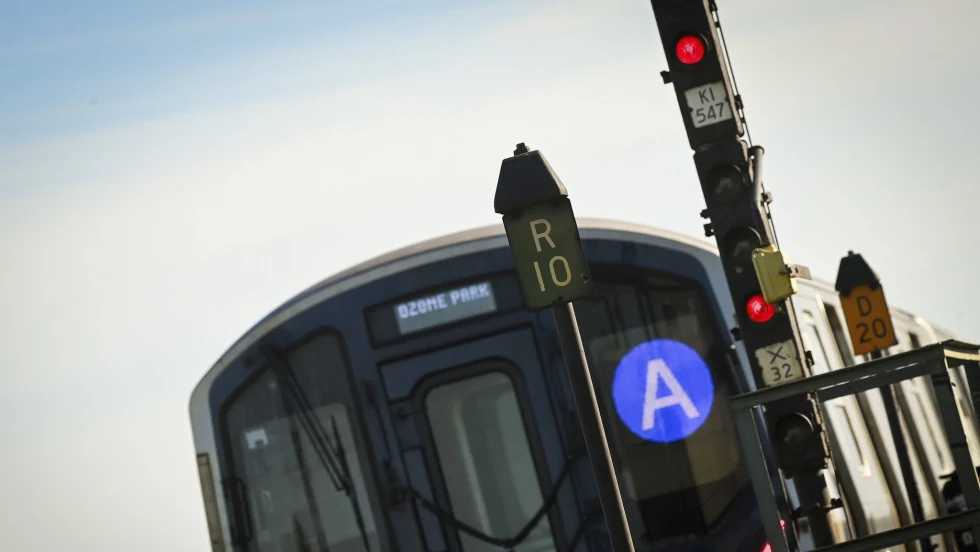
New York MTA Launches Historic $1.9B Signal, Track Modernization Project
Funded in part by congestion pricing revenue, the project will replace nearly century-old signals along the A and C lines in Brooklyn and Queens.
Read More →
Brian Dickson on Building Stronger, More Resilient Transportation Organizations
Bus Business Consultants Founder Brian Dickson discusses the leadership principles, operational discipline, and strategic planning that separate transportation companies positioned for long-term success from those stuck in survival mode.
Read More →
LA Metro Breaks Ground on Vermont BRT Project
The 12.4-mile corridor is projected to serve 66,200 daily riders, reduce travel times by up to 24%, and create the nation's busiest bus rapid transit corridor.
Read More →
Building Stronger Leaders, More Resilient Transit Teams
Dr. Carol Parker Walsh discusses leadership development, employee retention, workplace culture, and preparing transit’s workforce for AI and automation.
Read More →
Roman Cornell on ABC Companies’ Evolution and the Future of Passenger Transportation
The company’s CEO discusses carrying forward a third-generation family legacy, ABC’s continued evolution in passenger transportation, support for increasingly complex fleets, and how technology and continued investment could help operators improve uptime.
Read More →
CATS Launches West Charlotte Microtransit Zone, Expands Transit Services
The new microtransit zone connects residents to key destinations as Charlotte Area Transit System rolls out the first phase of its 2055 Transit System Plan.
Read More →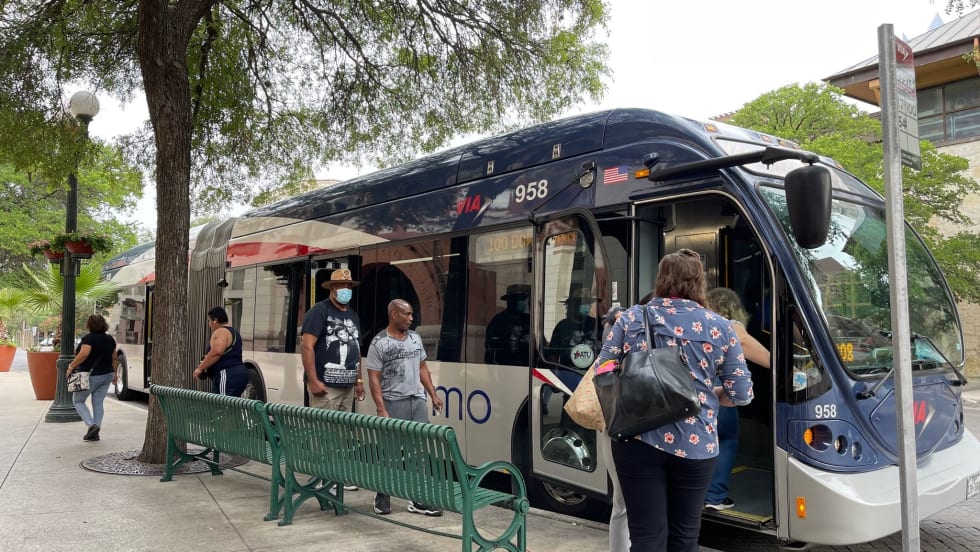
VIA Bus Ridership Grows 10.1% Through August 2026
San Antonio's VIA Metropolitan Transit reported the highest bus ridership growth among major Texas transit systems. Federal Transit Administration data ranked it second among the nation's 50 largest transit systems.
Read More →
CSA Group Releases Climate Resilience Standard for Transit, Passenger Rail
Developed with support from the Standards Council of Canada, CSA D700 guides assessing climate-related risks and planning adaptation measures for transit and passenger rail systems.
Read More →
ETA CEO John Maglio on Transit Technology, Innovation, and Building Agency Trust
ETA founder and CEO John Maglio explores the evolution of transit technology, the importance of reliable systems, and how stronger partnerships can help agencies improve operations and the passenger experience.
Read More →
COTA Launches First Customer Experience Action Plan to Improve Transit Service
The new plan outlines improvements to service reliability, accessibility, communication, and the overall rider experience across Central Ohio's transit system.
Read More →