



D.C. Metro’s sustainability plan to cut energy use by 15%
Other targets set by the new initiative include increasing Metro ridership 25% by 2025; increasing greenhouse gas displacement by 10% by 2025; and reducing water use per vehicle mile by 20% by 2025.

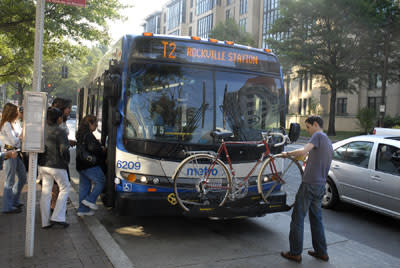

Washington Metropolitan Area Transit Authority (Metro) unveiled a new initiative aimed at enhancing regional sustainability through performance-based targets for ridership, travel mode share, regional greenhouse gas emissions and connected communities.
The Metro Sustainability Initiative also commits Metro to internal performance targets for energy consumption, greenhouse gas emissions, waste reduction, renewable energy, storm water runoff impacts and potable water use. Taken along with near term action commitments, from paperless meetings to a renewed commitment to lifecycle asset management, these internal sustainability targets set Metro on a path to continue to rebuild efficiently to support a growing region.
Specific targets set by the Sustainability Initiative include:
• Increasing Metro ridership 25% by 2025
• Increasing greenhouse gas displacement by 10% by 2025
• Reducing energy use per vehicle mile by 15% by 2025, and cutting in half greenhouse gas emissions per vehicle mile during the same time frame
• Reducing water use per vehicle mile by 20% by 2025
Last spring Metro’s board of directors adopted Momentum, metro’s strategic plan, committing Metro to sustainability through 2025 and beyond.
RELATED: "Sustainable Service: Planning a Green(er) Line for Boston"
“Momentum sets Metro on a path to respond to today’s service demands and plan to accommodate millions of new riders while continuing to support the region’s economic competitiveness and quality of life,” said Metro GM and CEO Richard Sarles. “As a companion to Momentum, the Sustainability Initiative sets Metro on course to maximize the value of the investment placed in the system while adding value to the region through increased mobility and transit-oriented land use.”
Many “greener” investments are already underway throughout the system and support both the regional and internal goals of the Sustainability Initiative, including:
• Garage lighting energy efficiency upgrades through $1.5 million in annual energy savings (more than 1% of Metro’s FY14 natural gas and electric costs).
• A wayside energy storage technology pilot that has resulted in $250,000 reduction in traction power expense from a single installation.
• Investments in a tub grinder that is expected to eliminate $53,000 in landscaping expenses and as much as $35,000 in waste disposal expenses annually.
• Station chiller upgrades throughout the Metrorail system that generate annual efficiency savings of approximately $15,000 per station.
• Investments in clean hybrid and natural gas buses increasing fuel economy by 30% over the past eight years.
• All new Metro facility construction and major retrofits are LEED certified — using less energy and producing fewer greenhouse gas emissions.
More Bus

Scenes from APTA TRANSform & EXPO 2026
Transit leaders, manufacturers, and industry professionals gathered in Chicago to explore new technologies, share ideas, and discuss the future of public transportation.
Read More →
More Than a Summer Job: Building the Next Generation of Transit Talent
The Delaware River Port Authority and PATCO have transformed their internship program into a hands-on professional development experience that introduces students to the breadth of transportation careers — and creates a pipeline for future employees.
Read More →
LA Metro Board Awards 220 Battery-Electric Bus Contract to ENC
The contract, which is the largest base award of battery-electric buses by a U.S. transit agency, will be built in Southern California, sustaining good jobs as LA prepares to welcome the world in 2028
Read More →
Public Transit Conference Returning to GFX in 2027, Call for Papers Now Open
The Call for Papers is now open, allowing transit agency professionals and industry experts to help shape the PTC educational program by submitting session ideas for consideration.
Read More →
Indian River Transit’s Community-Focused Approach Earns National Recognition
Named APTA’s 2026 Outstanding Public Transportation System in its size category, Florida’s Indian River County transit system continues to grow ridership through fare-free service and a focus on evolving community needs.
Read More →
ENC Lands MATA Contract and More in Biz Briefs
In this edition of Biz Briefs, we spotlight the latest developments shaping the future of mobility.
Read More →
From Surviving to Thriving: Building Stronger Transportation Organizations
Bus Business Consultants founder Brian Dickson shares lessons on leadership, organizational health, and creating options for long-term success in a changing transportation industry.
Read More →
Everett Transit, Community Transit Outline Consolidation Agreement
The proposed agreement calls for a 50% increase in bus service in Everett, a new microtransit zone, continued paratransit service, and the transfer of Everett Transit operations to Community Transit.
Read More →
SEPTA Details Accelerate Vision for Transit System
The plan outlines investments in trolley modernization, new Metro and Regional Rail vehicles, accessible stations, and more frequent bus and rail service.
Read More →
Report: Transit Bus Manufacturing Supports 34,100 Jobs, $5.1B in GDP
The “Buses Mean Business” report examines the transit bus manufacturing industry’s economic footprint, supply chain, and rising demand for vehicle replacements.
Read More →