



Chicago Transit closes $79M TIFIA loan
As part of the CTA 2013-2017 Capital Improvement Plan, the 9.4 mile Dan Ryan Branch of the CTA Red Line is being fully reconstructed. Improvements to the terminal will mean better bus and rail connections and reduced travel congestion and delays.

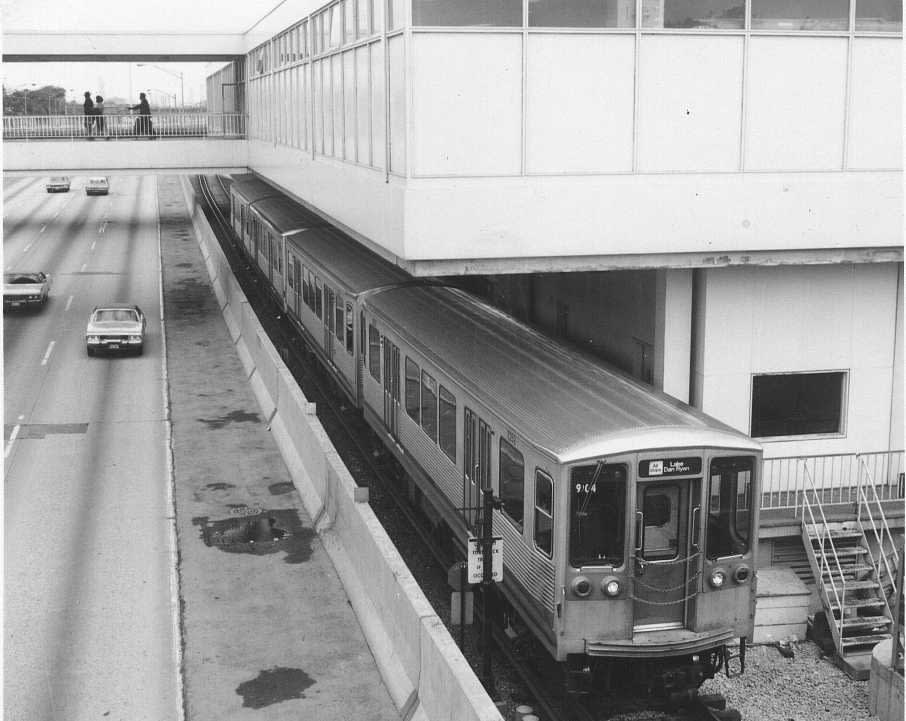
A train of Lake-Dan Ryan All-Stop 2200's are heading southbound into 95th Street, finishing their run, looking north from the 95th St. bridge in 1973. Photo courtesy Chicago "L"
A train of Lake-Dan Ryan All-Stop 2200's are heading southbound into 95th Street, finishing their run, looking north from the 95th St. bridge in 1973. Photo courtesy Chicago
The Chicago Transit Authority (CTA) closed a $79 million Transportation Infrastructure Finance Innovation Act (TIFIA) loan for its 95th Street Bus and Rail project.
As part of the CTA 2013-2017 Capital Improvement Plan, the 9.4 mile Dan Ryan Branch of the CTA Red Line is being fully reconstructed. Improvements to the terminal will mean better bus and rail connections and reduced travel congestion and delays.
The project will enable CTA riders connecting to and from rail services to access multiple transportation options, including bus service, bike-and-ride, and car sharing. Planned improvements will include increased lighting and security cameras, wider walkways, a pedestrian bridge to reduce potential collisions, full wheelchair accessibility, improved bus maneuverability and other design amenities lacking in the current 1969 facility.
The Red Line accounts for nearly 40% of annual CTA ridership and the Dan Ryan branch accounts for roughly 2o% of Red Line trips. Of these, roughly one quarter originate at the 95th Street Terminal.
The construction site, which is over the median of the Dan Ryan Expressway I-94, will require CTA to purchase a 2.3 acre parcel adjacent to the current terminal in order to serve as a staging area during reconstruction. Following completion of the construction, CTA may convert the stating area to a park-and-ride facility.
The loan will go toward the $240 million total cost of the project. The project also received a $20 million Transportation Investment Generating Economic Recovery grant in 2012 from the U.S. Department of Transportation.
More Bus
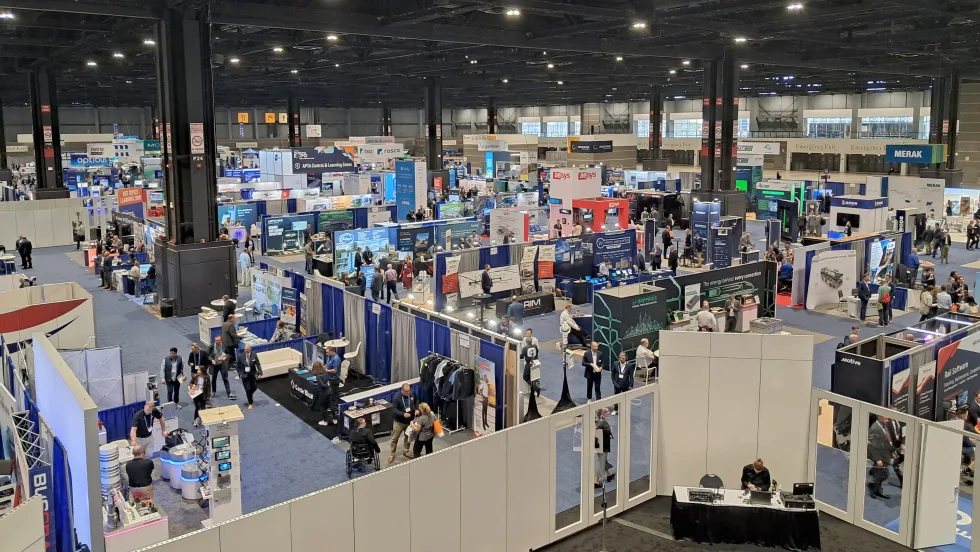
Scenes from APTA TRANSform & EXPO 2026
Transit leaders, manufacturers, and industry professionals gathered in Chicago to explore new technologies, share ideas, and discuss the future of public transportation.
Read More →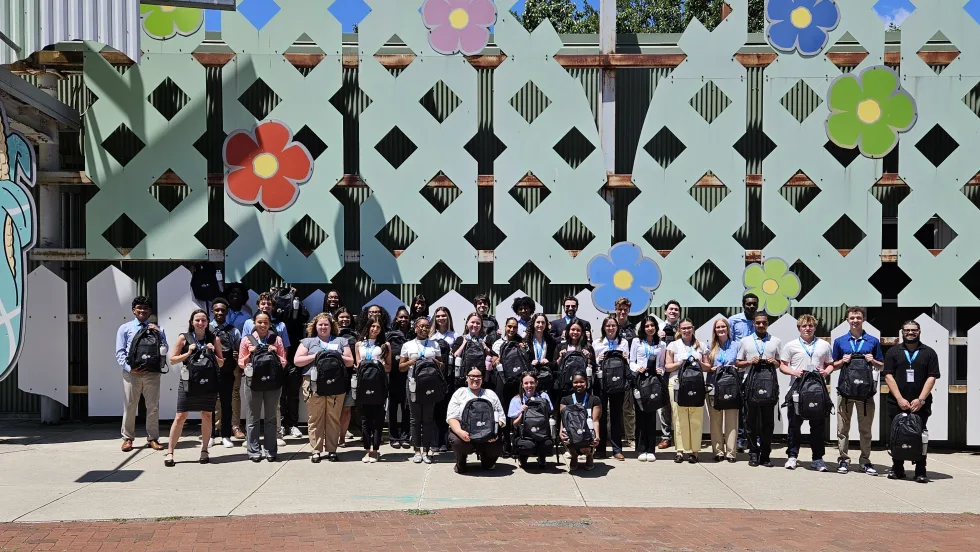
More Than a Summer Job: Building the Next Generation of Transit Talent
The Delaware River Port Authority and PATCO have transformed their internship program into a hands-on professional development experience that introduces students to the breadth of transportation careers — and creates a pipeline for future employees.
Read More →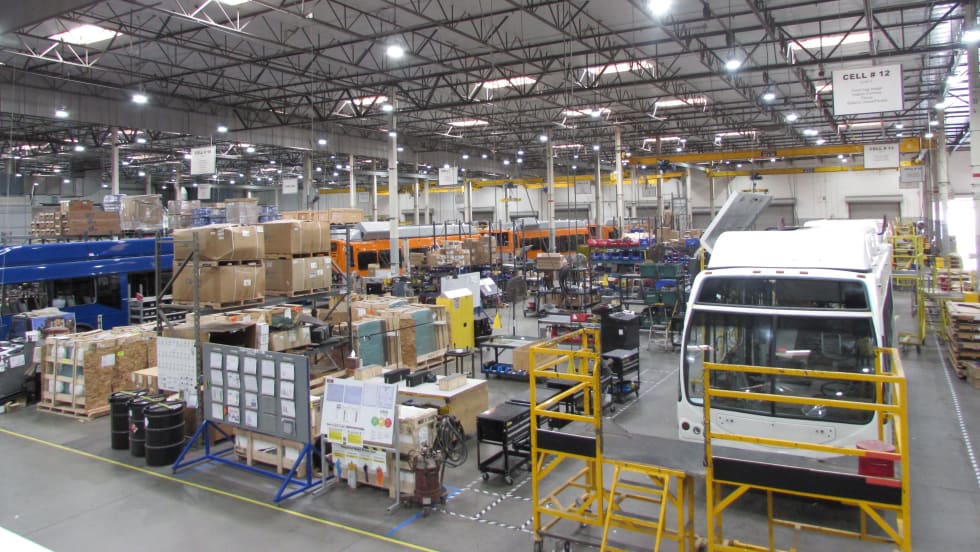
LA Metro Board Awards 220 Battery-Electric Bus Contract to ENC
The contract, which is the largest base award of battery-electric buses by a U.S. transit agency, will be built in Southern California, sustaining good jobs as LA prepares to welcome the world in 2028
Read More →
Public Transit Conference Returning to GFX in 2027, Call for Papers Now Open
The Call for Papers is now open, allowing transit agency professionals and industry experts to help shape the PTC educational program by submitting session ideas for consideration.
Read More →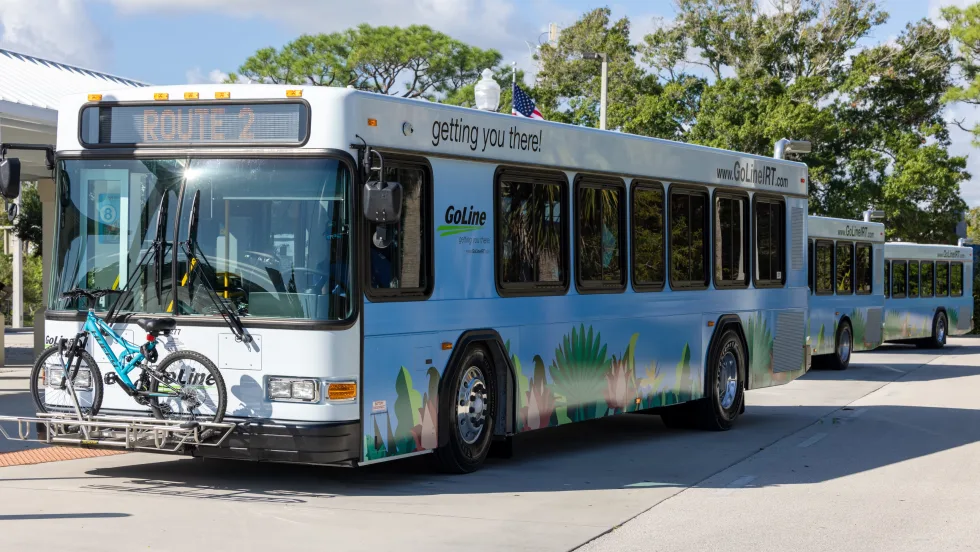
Indian River Transit’s Community-Focused Approach Earns National Recognition
Named APTA’s 2026 Outstanding Public Transportation System in its size category, Florida’s Indian River County transit system continues to grow ridership through fare-free service and a focus on evolving community needs.
Read More →
ENC Lands MATA Contract and More in Biz Briefs
In this edition of Biz Briefs, we spotlight the latest developments shaping the future of mobility.
Read More →
From Surviving to Thriving: Building Stronger Transportation Organizations
Bus Business Consultants founder Brian Dickson shares lessons on leadership, organizational health, and creating options for long-term success in a changing transportation industry.
Read More →
Everett Transit, Community Transit Outline Consolidation Agreement
The proposed agreement calls for a 50% increase in bus service in Everett, a new microtransit zone, continued paratransit service, and the transfer of Everett Transit operations to Community Transit.
Read More →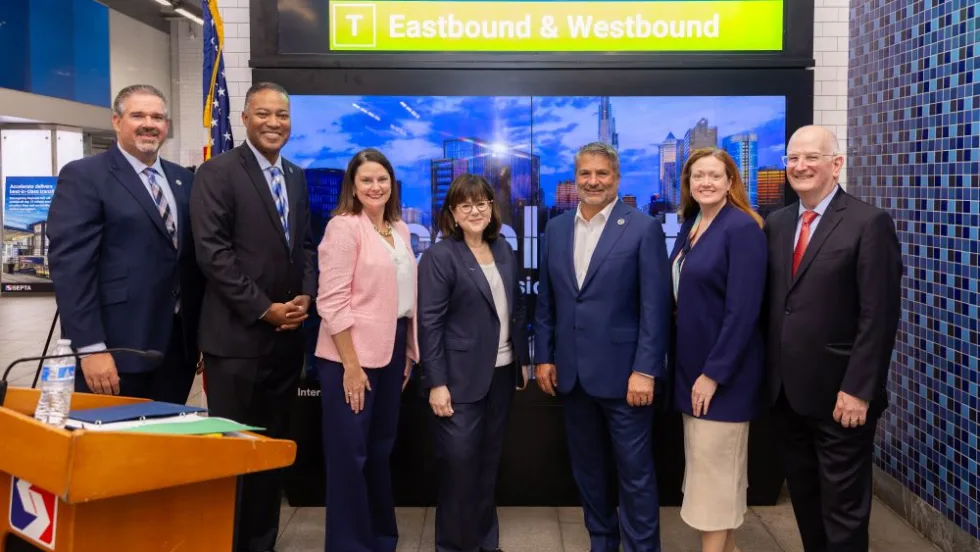
SEPTA Details Accelerate Vision for Transit System
The plan outlines investments in trolley modernization, new Metro and Regional Rail vehicles, accessible stations, and more frequent bus and rail service.
Read More →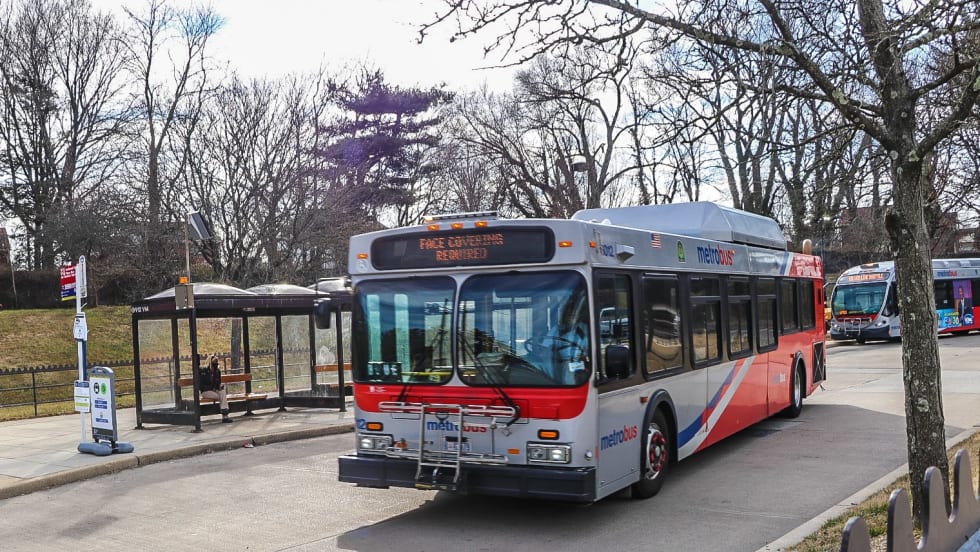
Report: Transit Bus Manufacturing Supports 34,100 Jobs, $5.1B in GDP
The “Buses Mean Business” report examines the transit bus manufacturing industry’s economic footprint, supply chain, and rising demand for vehicle replacements.
Read More →