



City of Atlanta, MARTA to operate streetcar
Opting for the joint City-MARTA operational approach rather than a private contractor to run the system will save in excess of $5 million in the first five years.

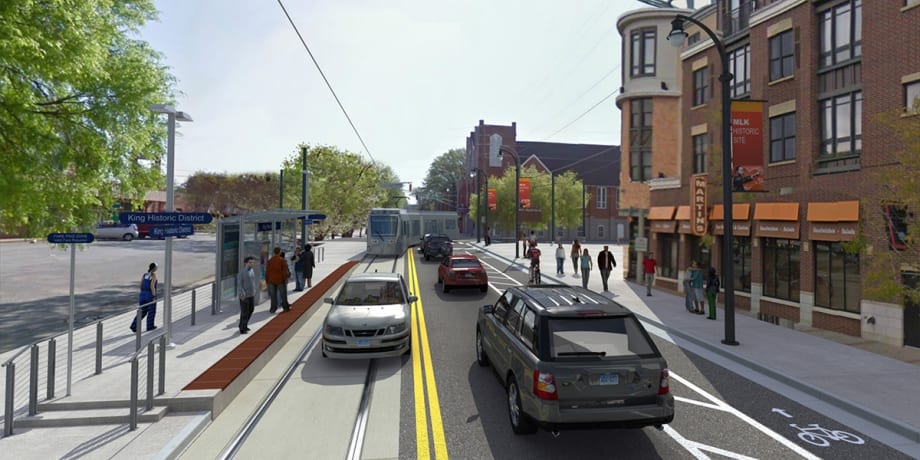
Courtesy Atlanta Streetcar

The Atlanta Streetcar will be jointly managed by the City of Atlanta and MARTA, the City and MARTA announced this week in conjunction with their project partner, the Atlanta Downtown Improvement District (ADID).
RELATED:Atlanta Revisits its Streetcar 'Routes' to Help Revitalize City
In the official notice to the Federal Transit Administration (FTA), the three project partners outlined the organizational structure, highlighting the expertise of MARTA, the technical capacity of the City’s Streetcar team and the cost efficiency of the joint approach. The plan requires the approval of the ADID and MARTA Board of Directors.
In its first year, the Atlanta Streetcar is projected to cost approximately $3.9 million to operate and maintain. Projected expense costs drop to $3.5 million in years two through four. Opting for the joint City-MARTA operational approach rather than a private contractor to run the system will save in excess of $5 million in the first five years.
“The Atlanta Streetcar is a transformational project that will have a significant impact on Atlantan’s mobility and the economic vitality of the city,” said Mayor Reed.
“After careful consideration of several operations and maintenance models, we determined this approach to be the most cost efficient in meeting system objectives and required technical expertise,” said ADID President A.J. Robinson. “ADID is pleased with the decision and looks forward to a successful, upcoming project launch.”
The organizational structure is based on the organization charts and the command lines of transit agencies with similar sized streetcar systems, and includes specialized technical oversight from the FTA and Georgia Department of Transportation. The Streetcar Management Committee, consisting of ADID and the City with technical advice from MARTA, will set operational policy for the system.
MARTA will oversee all management and staff for the system’s operations and maintenance functions for the first year. After that, the three project partners, with the approval of rail transit regulators, will transition operations to the City.
The City will create an Office of Transit and FTA Administration that will administer the City’s FTA grantee status and provide oversight and strategic direction for its transit operations. Tim Borchers, the City’s Streetcar Executive Director and Rich Krisak, MARTA’s Chief Operating Officer have the rail transit industry experience and expertise necessary to ensure a safe and professional operation of the Atlanta Streetcar.
More Management

VIA Metropolitan Transit Reports 2 Million More Passenger Trips as Better Bus Plan Gains Momentum
San Antonio's transit agency said accelerated service improvements are driving ridership growth, offering another example of how increased frequency and workforce investments can translate into stronger transit performance.
Read More →
ABAF Study Reveals Growing Insurance Crisis for Motorcoach Operators
Preliminary findings show 98% of operators faced premium increases over the past five years, while shrinking insurer participation is putting added pressure on businesses and customers.
Read More →
PSTA Modernizes Workforce Management with Digital Bidding System
The award-winning Workforce Transit Modernization project replaced paper bidding with a transparent digital platform, cutting administrative effort while improving access for operators.
Read More →
Chicago to Host Public Transportation's Biggest Gathering at APTA TRANSform & EXPO 2026
North America’s largest public transportation gathering returns to Chicago, connecting transit decision-makers with the technologies, ideas, and partnerships driving the industry forward.
Read More →
New Tricks for Old Bureaucracies: Joshua Schank on Making Transit Innovation Stick
Former LA Metro Chief Innovation Officer Joshua Schank discusses why good ideas aren't enough, how transit agencies can overcome resistance to change, and why today's challenges demand more innovation.
Read More →
Washington's Community Transit Sets Six-Year Roadmap for Growth, Expansion
Approved TDP targets more bus service, new mobility options, Swift BRT expansion, and a potential Everett Transit annexation.
Read More →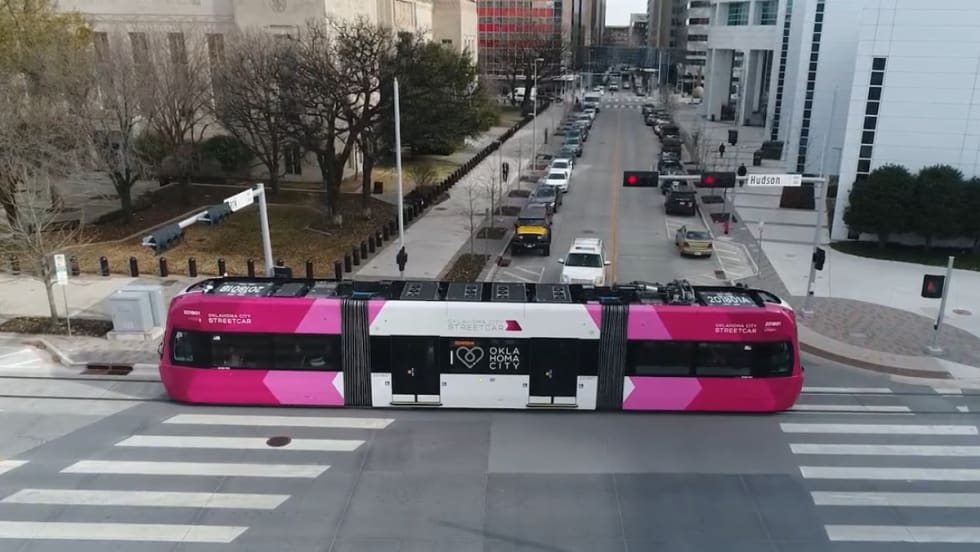
OKC Streetcar Makes Zero-Fare Service Permanent
Ridership increased an average of 71% compared with the same period a year earlier during the fare-free pilot.
Read More →
DART Customer Satisfaction Reaches Six-Year High
Overall satisfaction rose to 74.9%, while the agency’s Net Promoter Score reached a record 33.7.
Read More →
House Surface Transportation Bill Advances as Transit Funding Debate Intensifies
A bipartisan transportation package moving through Congress could redefine how the U.S. funds highways, transit, and motorcoach travel, while igniting new fights over electrification, regulation, and federal priorities.
Read More →
How Data, Strategy, and Community Engagement Are Reshaping Transit
In this edition of METROspectives, strada360 CEO Steve Lassey discusses how transit agencies can better align planning with operations, leverage data to improve decision-making, and build public trust as they prepare for the future of mobility.
Read More →