



Question of the Day: How is social media making an impact at your agency?
We asked transit agency leaders: How social media is making an impact their agencies?


Photo courtesy L.A. Metro
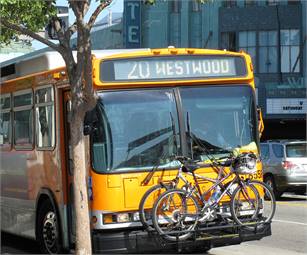
Photo courtesy L.A. Metro

Joyce Eleanor
We can say without a doubt that social media has impacted how we interact with our customers. Customer feedback is instantaneous — and they expect an answer, especially through social channels. It has increased the number of people we reach, thanks to our posts, tweets and pictures. And, it enables our customers to meet the people behind the agency in a genuine, friendly way.
Joyce Eleanor, CEO
Community Transit
Everett, Wash.

Frank Kobliski
Centro is at the threshold of implementing its social media plan. We recognize that through the use of social media, we have an opportunity to connect with our customers on a personal level. Providing them with real-time service information and advisories as well as sharing information about our services, fares, and long-range planning projects creates a personal connection between Centro and the service consumer. We are looking at creative ways to not only communicate with and entertain our customers, but to obtain feedback from stakeholders concerning our services and programs.
Frank Kobliski, executive director
Central New York Regional Transportation Authority
Syracuse, N.Y.

Keith Parker
Social media is a true game changer. For MARTA, it provides engagement with customers on a daily basis, on a very personal level, in a way we were never able to before. Right now, we have about 14,000 likes on Facebook, and I have my own Twitter account. We have cultivated many social media followers and fans along the way that have proven to be great advocates for MARTA. The use of social media has allowed us to demonstrate transparency and accountability and create a human ‘face’ for the authority.
Keith Parker, GM
Metropolitan Atlanta Rapid Transit Authority
Atlanta

W. Curtis Stitt
We are finding social media allows us to communicate with new audiences and people we don’t typically hear from in the public involvement process. It also allows us to communicate with our customers where they are, rather than making them seek out information about our service. Our social media channels have also become a customer service tool, allowing our riders to ask questions and voice concerns without making a phone call or sending an email.
W. Curtis Stitt, President/CEO,
Central Ohio Transit Authority
Columbus, Ohio

Julie Austin
While AVTA uses both Twitter and Facebook, we’re more excited about the series of travel training videos hosted on You Tube’s AVTAtv channel, accessible from our website. We’ve been pleasantly surprised at the number of viewers who have clicked on our training videos covering topics such as ‘Planning a Trip’ and ‘Using the Wheelchair Ramp.’ There is also a high level of public interest in our television commercials and special video productions.
Julie Austin, executive director
Antelope Valley Transit Authority
Lancaster, Calif.

J. Barry Barker
Facebook and Twitter are two-way communications tools that allow us to inform the public, and passengers to tell us their thoughts about our service, which they do, often in real-time. We can quickly answer questions about policy and passenger experiences. When we receive word about detours or traffic delays from our radio room, we can instantly communicate them to the public using Twitter and Facebook. Passengers have thanked us over and over again with a Facebook post or a tweet for giving them a heads up when a bus is delayed.
J. Barry Barker, executive director
Transit Authority of River City
Louisville, Ky.

Jarod Varner
The use of social media is relatively new to CATA, but it has improved our ability to engage the public and provide up-to-date information to our passengers in a cost-effective manner. CATA is using Facebook and Twitter to interact with our customers in real-time on issues that are important to them. No longer relying on our limited, traditional media to disseminate a filtered message about our agency has been a major benefit.
Jarod Varner, executive director
Central Arkansas Transit Authority
North Little Rock, Ark.

Betsy Kachmar
We have used Facebook to run contests — sports ticket drawing for new Facebook friends, scavenger hunts where contestants had to post photos of themselves at designated locations to be eligible for prizes, food drive challenges and Survey Monkey questionnaires. We also have our page linked to the homepage of our website, so we can use it as a quick way to notify all customers about detours and service updates. We have posted information about upcoming pro-transit legislation encouraging ‘Citilink Champions’ to contact their legislators in support of increased funding.
Betsy Kachmar, asst. GM
Citilink
Fort Wayne, Ind.

Jim Cline
Social media has become a key marketing strategy for DCTA. We utilize it to better communicate and directly engage with our passengers, as well as provide timely public transportation news locally, regionally and nationally.
Jim Cline, president
Denton County Transportation Authority
Denton, Texas
More Paratransit

People Movement: Dan Dipert Coaches Adds Third-Generation Leader, Keolis Names New Valley Metro VP/GM, and More
In this edition, we also cover recent appointments and announcements at the Wabtec, SilverRide, HNTB, and more, showcasing the individuals helping to shape the future of transportation.
Read More →
Biz Briefs: RIPTA Unveils New Frontrunners, Clevland RTA Adds New Siemens, and More
In METRO's latest installment, we take a look at recent news from Siemens, Prevost, Dodge, and more partnerships making headlines across the transportation sector.
Read More →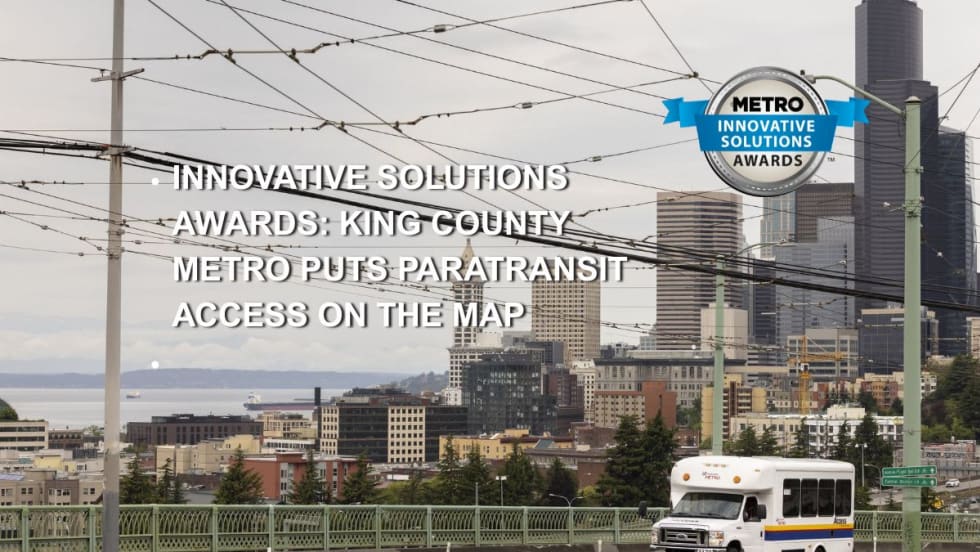
King County Metro Makes ADA Paratransit Easier to Navigate
METRO's Innovative Solutions Award winner replaces complex service-area descriptions with an accessible, interactive map that puts paratransit information directly in customers’ hands.
Read More →
Jacksonville’s NAVI Project Charts a New Course for Autonomous Public Transportation
Through its NAVI program, JTA is showing how autonomous vehicles, intelligent infrastructure, and coordinated operations can work together to deliver everyday public transportation.
Read More →
Driving Smarter Paratransit
John Hanlon shares how AlphaRoute is leveraging AI-powered technology to help paratransit providers optimize operations, support frontline staff, and enhance the rider experience.
Read More →
METRO Magazine Announces 2026 Innovative Solutions Awards Winners
Projects Recognized for Advancing Mobility Through Technology, Accessibility, Workforce Innovation, and Operational Excellence
Read More →
Biz Briefs: STV teams with Amtrak, Motorcoach Operators Boost Fleet and Land Contracts, and More
From manufacturers and suppliers to transit agencies and motorcoach operators, these updates offer a snapshot of the projects, partnerships and business moves driving the industry forward.
Read More →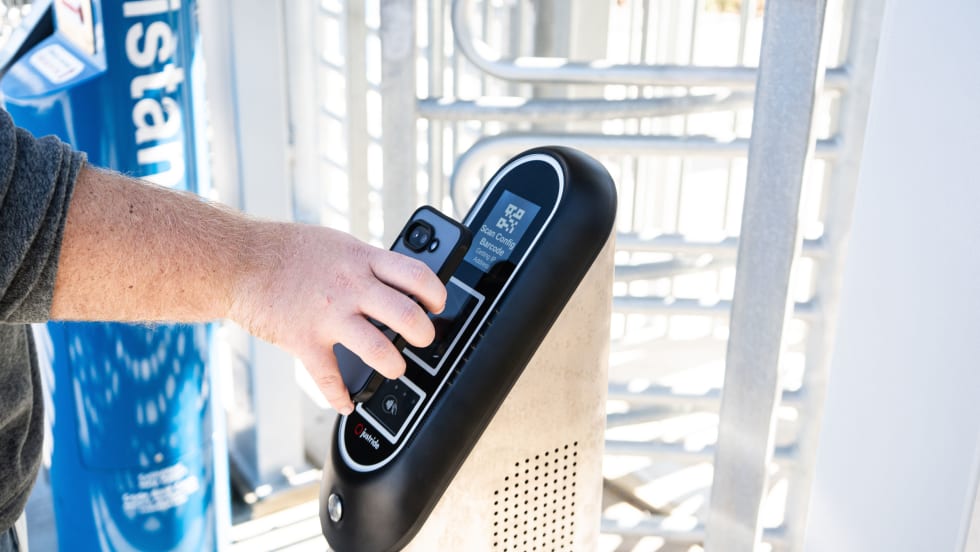
Biz Briefs: Masabi Teams with St. Louis Metro and More
In METRO's latest installment, we take a look at recent news from Transdev, Hitachi, and more partnerships making headlines across the transportation sector.
Read More →
New York MTA Leverages Zoning Program to Advance Station Accessibility
Accessibility enhancements at Nevins St Station will be financed through a development agreement tied to the MTA's Zoning for Accessibility initiative.
Read More →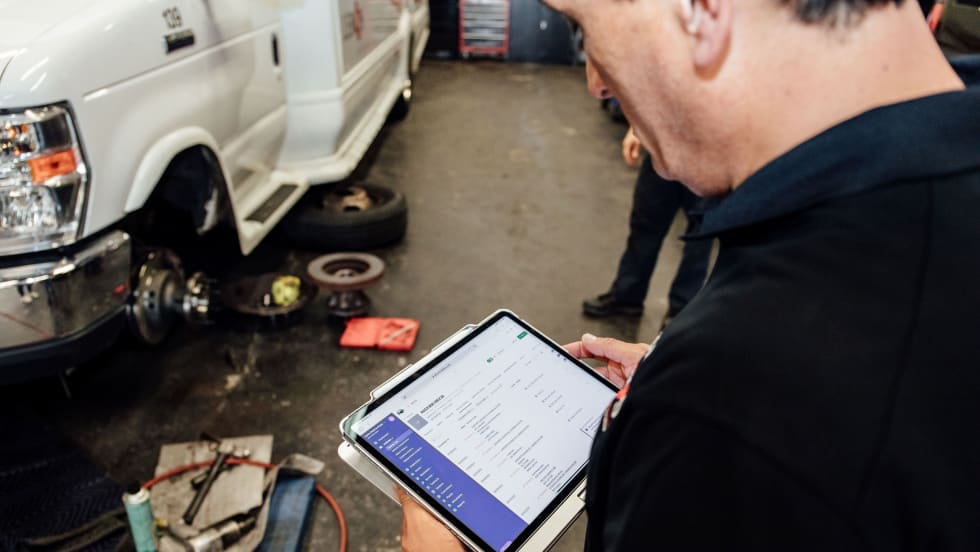
Reinventing Fleet Maintenance with Real-time Visibility and AI
Transit leaders need to know what needs fixing, where to look, who is responsible, when work is completed, and what it costs without having to chase information across disconnected systems.
Read More →