



D.C. Metro wins APTA Rail Roadeo top prize
In addition, APTA awarded Société de transport de Montréal with an official certificate for earning Gold-level recognition in the APTA Sustainability Commitment program.

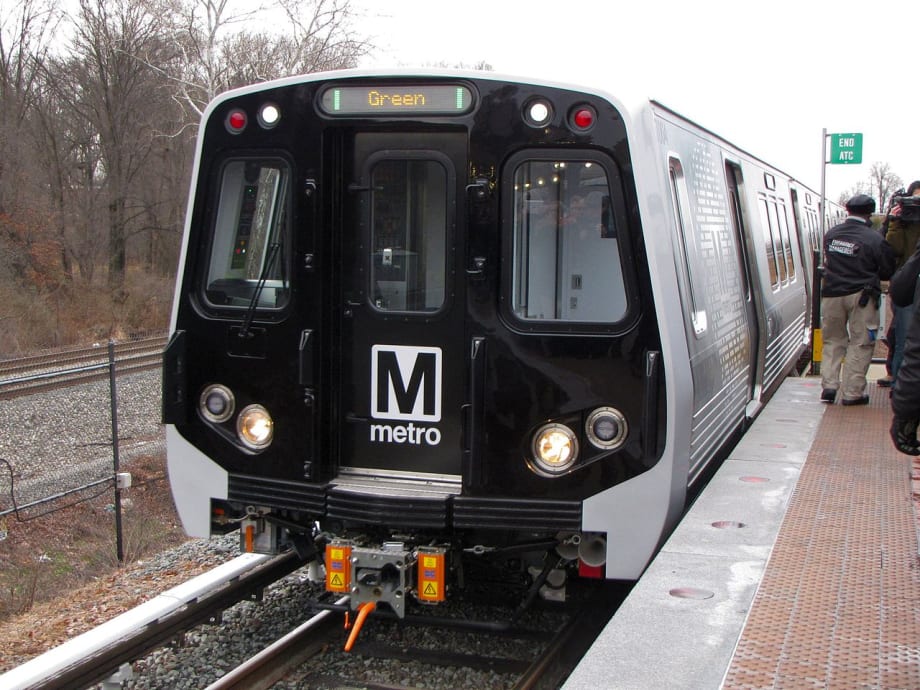
Photo courtesy Ben Schumin
Photo courtesy Ben Schumin
The Washington Metropolitan Area Transit Authority (Metro) won the prestigious Rail Transit Team Achievement Award at the 22nd annual American Public Transportation Association (APTA) International Rail Rodeo held June 14 and 15 in conjunction with the 2014 APTA Rail Conference in Montreal, Quebec.
The Rail Transit Team Achievement Award is given to the system with the highest rail operator and maintainer team combined score. The winning team members were Roberta Randolph, Michael Holt, Mihireteab Kuratie, Jacob Stout and Roland Lamar.
“Our rail operators and maintainers work day in and day out to make sure that America's fleet of trains is well maintained and that customers are provided safe and courteous service," said APTA President/CEO Michael Melaniphy. “I applaud all of this year's winners for being the very best of the best.”
The Operators’ Competition measures professional skills including train operation; knowledge of safety regulations; train equipment; and track right-of-way rules and procedures. First place in the Operators’ Competition was won by Roberta Randolph and Michael Holt of Metro. David Resendez and Jesus Valdez of the Los Angeles County Metropolitan Transportation Authority placed second. The team of Christina Robinson and Robert Yawn from Bi-State Development Agency in St. Louis took third-place honors.
The Maintainers’ Competition judges the ability to troubleshoot maintenance problems. Oakland. Calif.’s Bay Area Rapid Transit District team earned first place, with the Southeastern Pennsylvania Transportation Authority and the Denver Regional Transportation District teams taking second and third place, respectively.
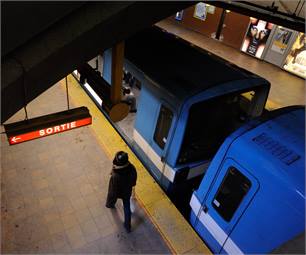
Photo courtesy Tim Adams
In addition, APTA awarded Société de transport de Montréal (STM) with an official certificate for earning Gold-level recognition in the APTA Sustainability Commitment program.
Chair Phillipe Schnobb and CEO Carl Desrosiers received the award for STM’s sustainability commitment, which resulted in decreasing air pollutant emissions per produced seat mile (PSM) by 43% from 2006 to 2012. In addition, STM achieved a 17% reduction in electricity use and a 7% reduction in fuel use per PSM over this period.
Among STM’s signature policies are an initiative to pursue LEED certification for all new buildings, as well as a policy to reduce emissions by purchasing only electric vehicles by 2025.
Launched in 2009, the APTA Sustainability Commitment program recognizes and encourages public transit agencies and businesses to make a voluntary commitment to putting processes and actions into place which allow for continuous improvement on environmental, social and economic sustainability.
More Rail

New York MTA Advances Final Contract for Second Avenue Subway Expansion
Contract Four is the largest in the Second Avenue Subway Phase 2 project and includes construction of station infrastructure, tracks, and signals for the subway expansion, MTA officials said. Work on Contract Four will begin in 2027.
Read More →
San Diego MTS Breaks Monthly Trolley Ridership Record
Agency officials said July’s ridership indicates MTS’s continued recovery from the pandemic.
Read More →
Report Examines NJ TRANSIT Reliability, Funding Challenges
The Garden State Initiative analysis examines the roles of Amtrak infrastructure, fleet management, and agency operations while recommending a more performance-based approach to improving reliability.
Read More →
Stadler, CapMetro Sign Long-Term Rail Fleet Support Agreement
Beginning in 2027, Stadler will provide on-site technical expertise, spare parts support, training, and obsolescence management to help extend the reliability and longevity of CapMetro’s GTW fleet.
Read More →
Biz Briefs: Alstom Lands Canadian Contract, LYT to Supply California TSP, and More
In METRO's latest installment, we take a look at recent news from Complete Coach Works, Beep, FlixBus, and more partnerships making headlines across the transportation sector.
Read More →
CATS Gold Line Marks 5 Years of Service, 2.8M Passenger Trips
With a six-mile expansion planned, the Charlotte streetcar is positioned to connect more neighborhoods and major transit hubs across the region.
Read More →
Why Simulating Pedestrian Movement Has Become Essential for Modern Rail Stations
Pedestrian microsimulation is helping rail planners identify bottlenecks, test station designs, and prepare complex transit hubs for growing passenger volumes.
Read More →
Amtrak Begins Major Construction at New York’s Sunnyside Yard
The new maintenance facility will support Amtrak’s Airo trainsets while improving maintenance efficiency and turnaround times in New York.
Read More →
Chicago Leaders Unveil Plans for O’Hare Airport Express Train
The privately developed project would offer a 15-minute trip between downtown and O’Hare’s Terminal 2, with trains operating every 15 minutes on a dedicated track. The service would use battery-electric trains and three existing freight rail rights-of-way.
Read More →
OCTA Maps Out 30-Year Strategy to Protect Coastal Rail Corridor
The draft feasibility report identifies strategies to protect the coastal rail line for decades as the agency continues near-term stabilization and sand placement efforts.
Read More →