



Mobile app helps MTS move San Diego Comic-Con attendees
Comic-Con — a five-day celebration of popular art and entertainment at the annual convention along downtown San Diego’s scenic bay front — attracts 130,000 attendees and the San Diego Trolley system handles more than 215,000 extra passenger trips during the festivities.

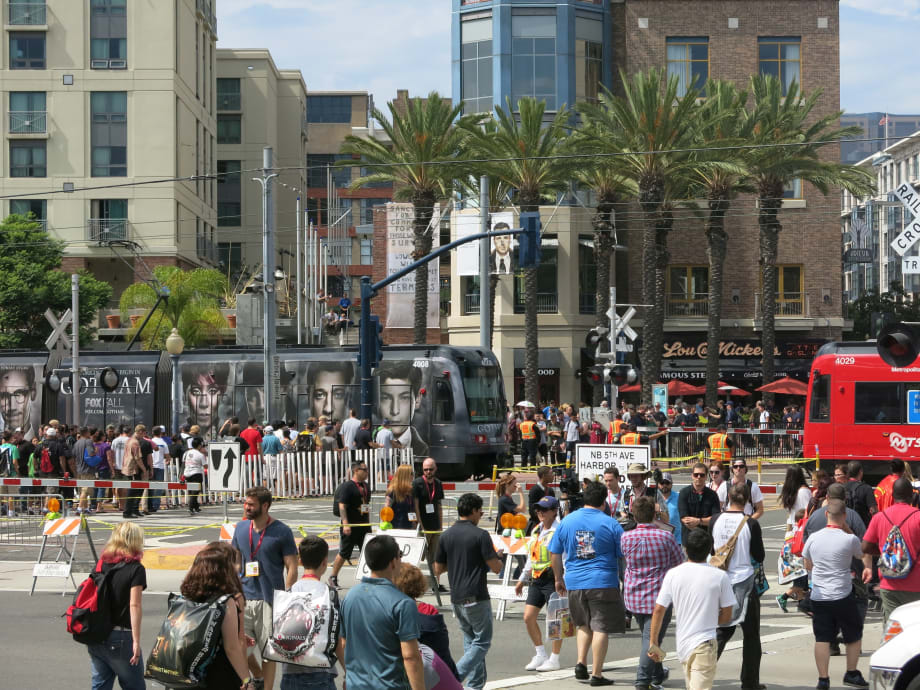
Riders entering and exiting Trolley at Gaslamp Quarter station.
Riders entering and exiting Trolley at Gaslamp Quarter station.
In late July, it’s not uncommon to see Klingons, Darth Vader, Spiderman and Superwoman all boarding the Trolley at the same time in downtown San Diego. Comic-Con — a five-day celebration of popular art and entertainment at the annual convention along downtown San Diego’s scenic bay front — attracts 130,000 attendees and the San Diego Trolley system handles more than 215,000 extra passenger trips during the festivities.
PHOTO GALLERY:MTS Service at San Diego Comic Con
To help Comic-Con passengers avoid long Trolley ticket lines and provide a convenient ticket purchasing option, MTS introduced mTicket — a mobile ticketing app that puts the Trolley ticket vending machine in the pocket of the passenger.
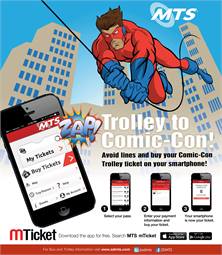
Artwork for mTicket advertising
Mobile ticketing options are becoming more popular for transit agencies across the U.S., including the Massachusetts Bay Transportation Authority, New Jersey Transit, Dallas Area Rapid Transit and TriMet in Portland, Ore. Fare systems professionals predict that up to 25% of sales will eventually come through mobile ticketing options.
RELATED:San Diego adds historic trolley to fleet
MTS first introduced mTicket in 2013 for San Diego Chargers and San Diego State Aztec football games. Comic-Con was the third step for the mTicket pilot program in the San Diego market.
“We thought this was a good tech-savvy audience and that many Comic-Con passengers would embrace this option,” said Rob Schupp, director of marketing and communications at MTS. “The biggest challenge was making them aware that mobile ticketing was available.”
The MTS marketing and communications team used aggressive outreach tactics to boost awareness for mTicket leading up to Comic-Con week. mTicket promotions began about two weeks ahead of Comic-Con, including clever comic-themed artwork for stations and ticket vending machines, advertisements in local papers, outdoor signage at select Trolley stations, social media sharing, blog posts through popular Comic-Con bloggers and on-air television network interviews.
“Riding the Trolley to Comic-Con is always part of news coverage, but mTickets gave us a news hook that really boosted coverage. We were on all the major television news station in San Diego,” added Schupp.
The marketing campaign paid off. There were more than 4,100 ticket sales transactions totaling nearly $58,800 in value. Sales started immediately after it was announced and took off two days prior to the festivities.
“mTickets were just one of the ways people could buy their fares,” Schupp said. “We also printed commemorative tickets that are always real popular with collectors. And, of course, ticket vending machines were the workhorse in terms of volume. But when it was all said and done, about ten percent of our volume was in mTickets, which was a big success for our first year.”
More Management
ETA CEO John Maglio on Transit Technology, Innovation, and Building Agency Trust
ETA founder and CEO John Maglio explores the evolution of transit technology, the importance of reliable systems, and how stronger partnerships can help agencies improve operations and the passenger experience.
Read More →
COTA Launches First Customer Experience Action Plan to Improve Transit Service
The new plan outlines improvements to service reliability, accessibility, communication, and the overall rider experience across Central Ohio's transit system.
Read More →
LA Metro September Ridership Climbs 3.9%, Led by Rail Growth
The agency recorded more than 27.2 million boardings, with rail ridership increasing 12.4% year over year and the D Line posting the largest gains.
Read More →
Utilimarc Launches SmartReplace to Optimize Fleet Replacement Decisions
AI-powered SmartReplace helps fleets prioritize vehicle replacements, model budget scenarios, and build more defensible long-term strategies.
Read More →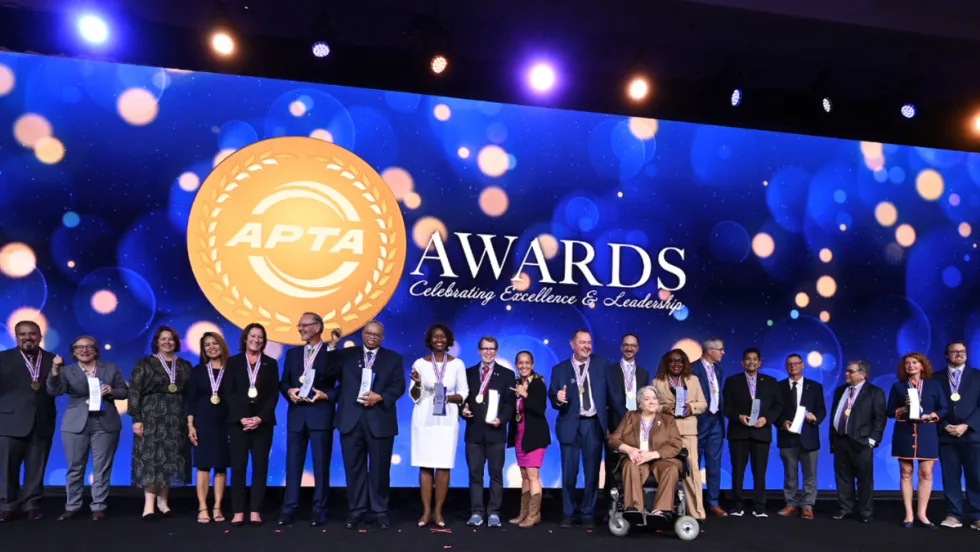
APTA Honors 2026 Award Winners, Hall of Fame Inductees at TRANSform & EXPO
Innovations in autonomous and zero-emission transportation, standout transit systems, and industry leadership took center stage among this year's honorees.
Read More →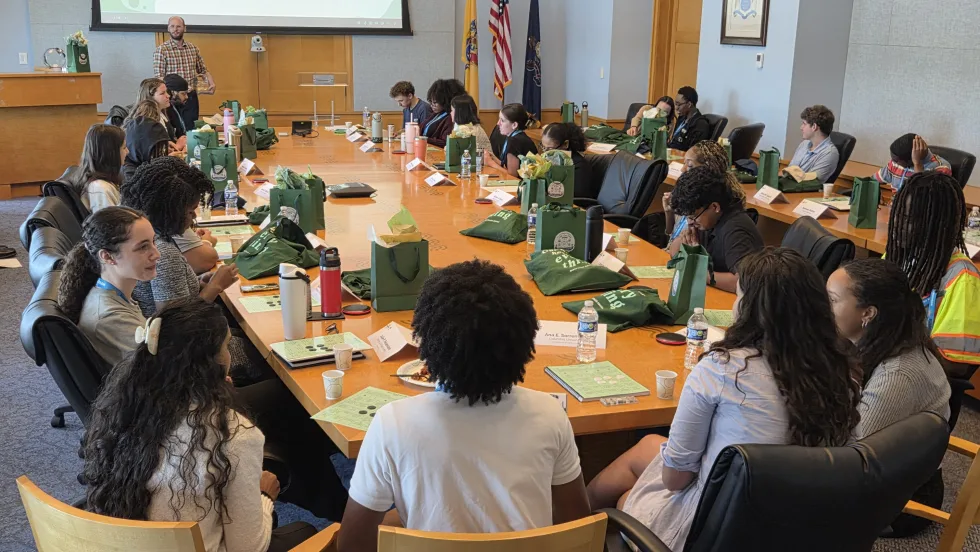
7 Ways to Build a Better Transit Internship Program
Lessons from DRPA/PATCO’s approach to creating a meaningful internship experience—and developing the next generation of transportation professionals.
Read More →
Scenes from APTA TRANSform & EXPO 2026
Transit leaders, manufacturers, and industry professionals gathered in Chicago to explore new technologies, share ideas, and discuss the future of public transportation.
Read More →
Building Stronger Leaders, More Resilient Transit Teams
Dr. Carol Parker Walsh discusses leadership development, employee retention, workplace culture, and preparing transit’s workforce for AI and automation.
Read More →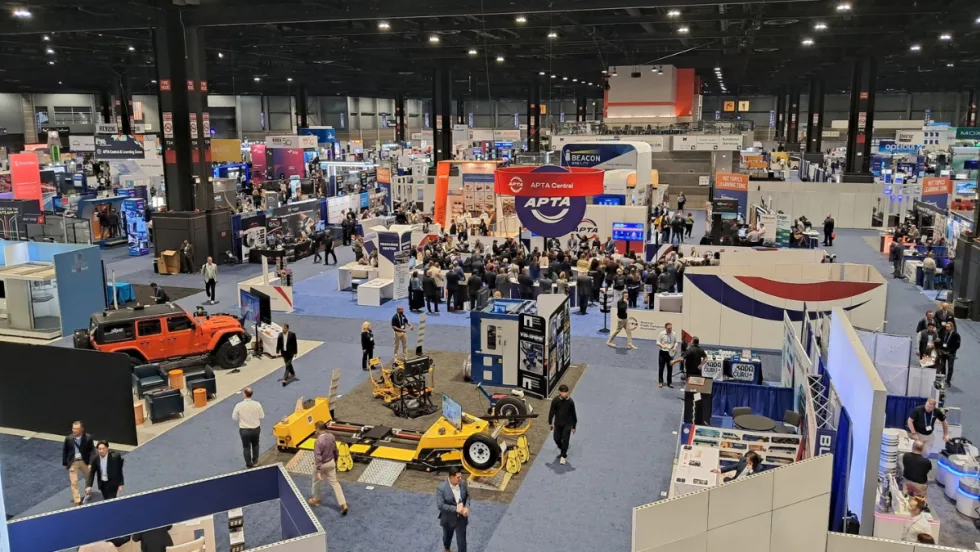
APTA 2026 TRANSform & EXPO Kicks Off in Chicago
After 45 years, APTA returns to Chicago with a focus on next-generation fleets, AI, connected transit networks, and the funding strategies shaping public transportation’s future.
Read More →
New York MTA Warns Federal Tariffs Could Add $1 Billion to Rolling Stock Costs
The agency said tariffs on specialized imported components could reduce the purchasing power of its $23 billion investment in new subway cars, railcars, and buses.
Read More →