



Calif. agencies receive 'Ladders of Opportunity" funding for buses
San Diego MTS secured $18 million for the purchase of 45 Gillig buses, while the San Francisco MTA secured more than $9 million to purchase 12, 60-foot buses.

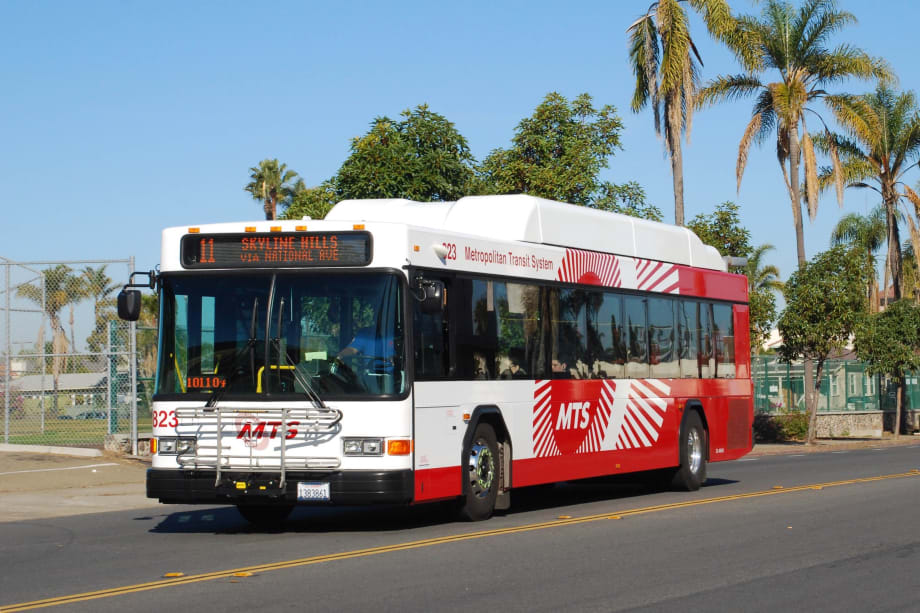
San Diego’s award was the second largest grant awarded in the nation.
“This was a very competitive grant process and we were able to secure nearly 20 percent of the entire grant funding available for the entire United States,” said Paul Jablonski, CEO of MTS. “This is a big win for MTS and our riders. It keeps us on pace to retire the last of our diesel buses from our fleet.”
MTS will use the grant funds to purchase 45 Gillig buses powered by compressed natural gas (CNG), replacing older models that have reached the end of their useful life due to age and mileage. Gillig is a California-based company. The new buses will be manufactured in California, include on-board video surveillance inside and outside the vehicle, new wheelchair restraint systems, disk brakes, CNG tanks with 20-year lifespans and enhanced cooling systems.
Meanwhile, Muni will add 12, 60-foot buses to help meet the growing demand of the city of San Francisco’s transit needs, address existing crowding, improve service reliability, and increase economic opportunity by improving access to jobs and services.
The funds will enable SFMTA to convert routes that are currently serviced by 40 foot buses to 60 foot buses. Upgrading routes to 60 foot vehicles is a cost effective way to increase capacity while minimizing increased operating costs. By operating efficiently and ensuring adequate and reliable vehicles, the SFMTA will further improve its service performance and provide a more convenient and comfortable experience for customers.
The $100 million “Ladders of Opportunity” competitive grants were given to applicants who directly enhanced access to work, offered transit access to educational and training opportunities and access to basic services for veterans, seniors, youths and other disadvantaged populations.
The U.S. DOT received 446 proposals from 282 applicants requesting a total of $1.4 billion. Of those, only 24 agencies in 19 states received a portion of the $100 million available. The City of Detroit received the largest grant award at $25.9 million, followed by MTS at $18 million and the Central Florida Regional Transportation Authority at $9.4 million.
More Bus
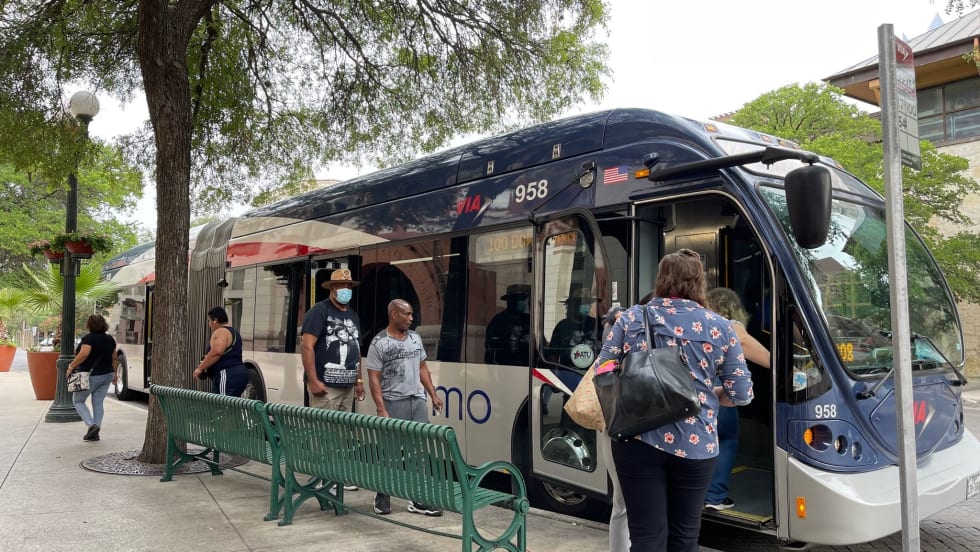
VIA Bus Ridership Grows 10.1% Through August 2026
San Antonio's VIA Metropolitan Transit reported the highest bus ridership growth among major Texas transit systems. Federal Transit Administration data ranked it second among the nation's 50 largest transit systems.
Read More →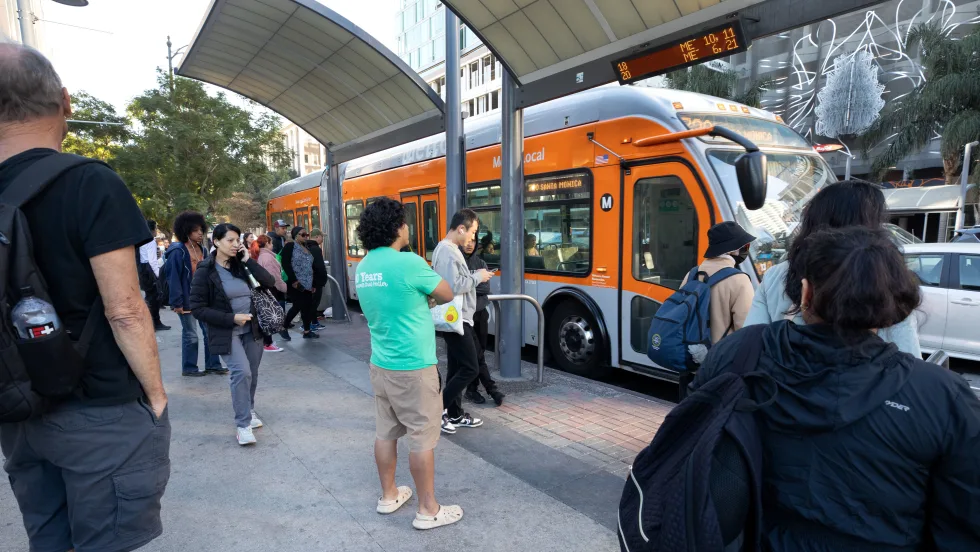
LA Metro September Ridership Climbs 3.9%, Led by Rail Growth
The agency recorded more than 27.2 million boardings, with rail ridership increasing 12.4% year over year and the D Line posting the largest gains.
Read More →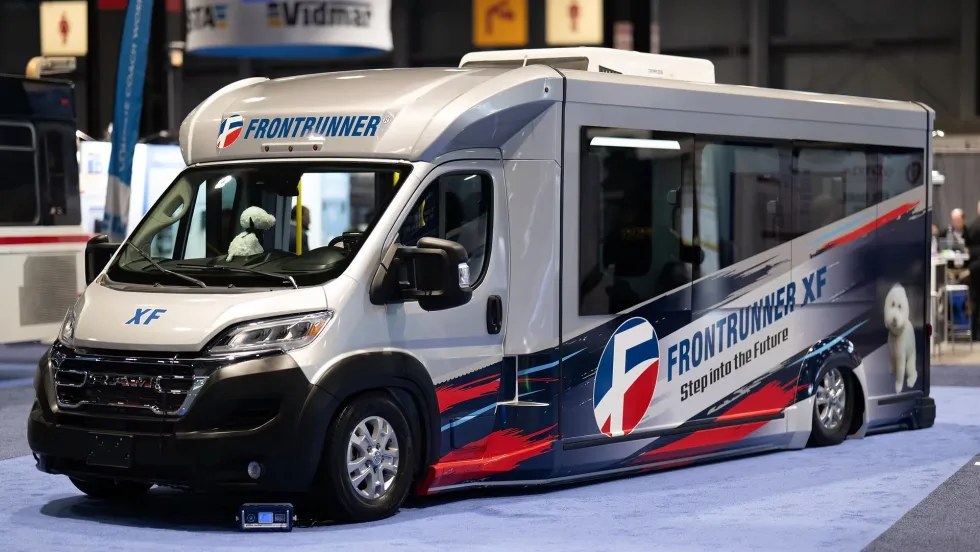
Frontrunner Bus Group Introduces XF Low-Floor Bus with Enhanced Accessibility
The new mid-sized bus features a full flat-floor design, eight-inch curbside step-in height, and zero-entry rear ramp to improve passenger access and operational flexibility.
Read More →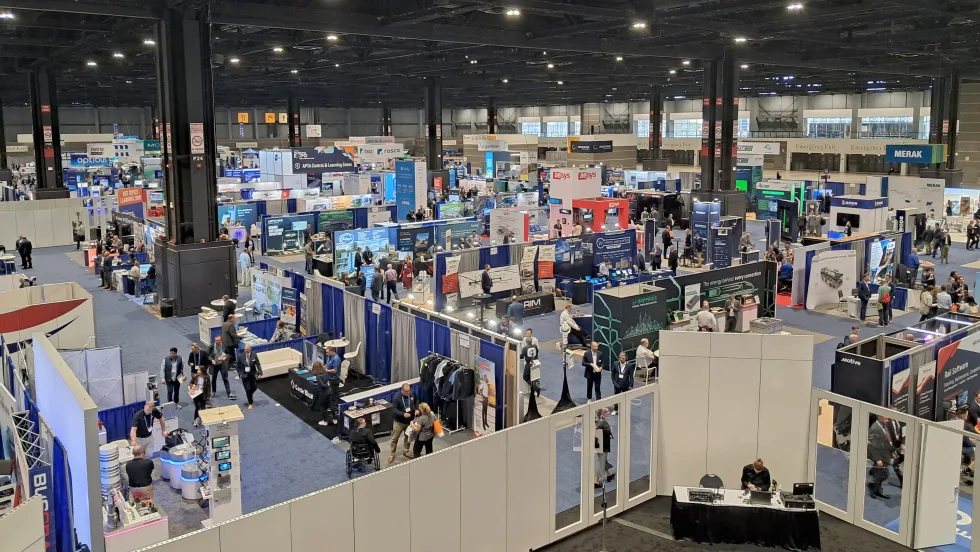
Scenes from APTA TRANSform & EXPO 2026
Transit leaders, manufacturers, and industry professionals gathered in Chicago to explore new technologies, share ideas, and discuss the future of public transportation.
Read More →
More Than a Summer Job: Building the Next Generation of Transit Talent
The Delaware River Port Authority and PATCO have transformed their internship program into a hands-on professional development experience that introduces students to the breadth of transportation careers — and creates a pipeline for future employees.
Read More →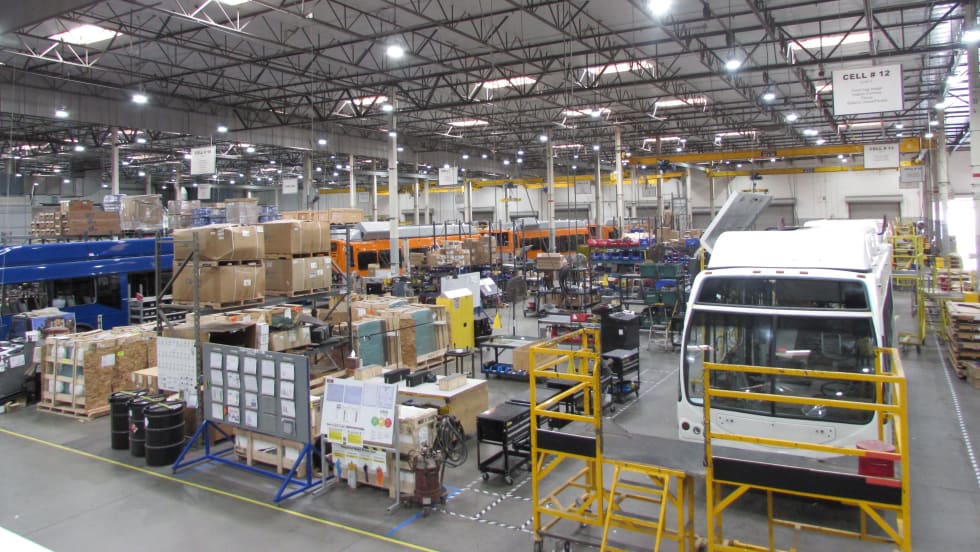
LA Metro Board Awards 220 Battery-Electric Bus Contract to ENC
The contract, which is the largest base award of battery-electric buses by a U.S. transit agency, will be built in Southern California, sustaining good jobs as LA prepares to welcome the world in 2028
Read More →
Public Transit Conference Returning to GFX in 2027, Call for Papers Now Open
The Call for Papers is now open, allowing transit agency professionals and industry experts to help shape the PTC educational program by submitting session ideas for consideration.
Read More →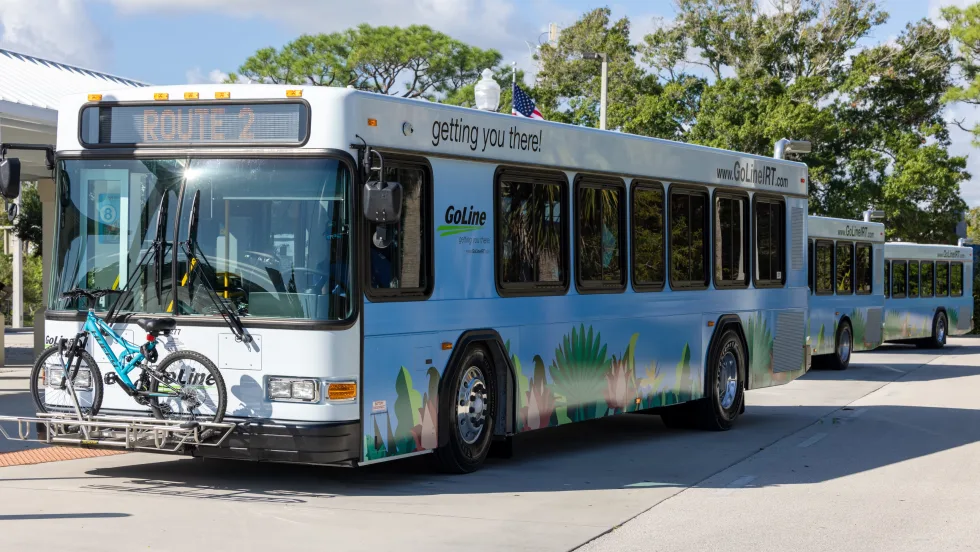
Indian River Transit’s Community-Focused Approach Earns National Recognition
Named APTA’s 2026 Outstanding Public Transportation System in its size category, Florida’s Indian River County transit system continues to grow ridership through fare-free service and a focus on evolving community needs.
Read More →
ENC Lands MATA Contract and More in Biz Briefs
In this edition of Biz Briefs, we spotlight the latest developments shaping the future of mobility.
Read More →
From Surviving to Thriving: Building Stronger Transportation Organizations
Bus Business Consultants founder Brian Dickson shares lessons on leadership, organizational health, and creating options for long-term success in a changing transportation industry.
Read More →