



Waterloo Region's Rapid Transit System to Shape Growth, Development
The $818 million (CD) project will bring light rail transit (LRT) to the Waterloo Region — which includes the cities of Cambridge, Waterloo and Kitchener — in two stages.

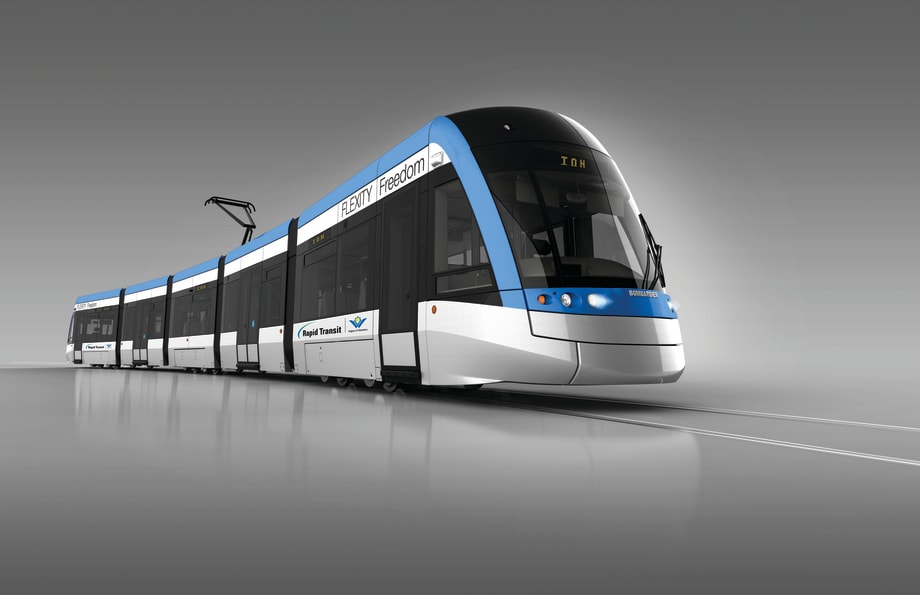
The low-floor light rail transit vehicles are the first of their kind in North America, providing easier access for customers.
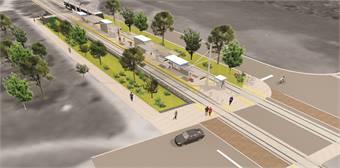
An aerial view of the planned Seagram Drive ION LRT stop, one of 16 stops that comprise Stage 1 LRT in Waterloo Region. Vending machines at each site will allow pre-ride ticket purchases to speed up boarding and help maintain reliable transit times.
The Regional Municipality of Waterloo has its eye on improving mobility and connectivity in the Greater Toronto Area, and it took another huge step toward achieving these goals when it broke ground on the ION rapid transit system in August.
The $818 million (CD) project will bring light rail transit (LRT) to the Waterloo Region — which includes the cities of Cambridge, Waterloo and Kitchener — in two stages. Stage 1 is a 22-mile corridor that features a 12-mile light rail transit (LRT) system linking the urban cores of Kitchener and Waterloo, plus 11 miles of adapted bus rapid transit (aBRT) connecting the southern terminus of the LRT system in Kitchener to Cambridge. In Stage 2, the aBRT service will be converted to LRT. Adaptive BRT vehicles travel in city traffic rather than in dedicated bus lanes, but have signal priority and can bypass traffic via a bus shoulder.
GrandLinq, the region’s partner on Stage 1 LRT, will design, build, finance, operate, and maintain ION for 30 years after commissioning the LRT system. GrandLinq is an international consortium that consists of Plenary Group, Meridiam, AECOM, Kiewit and Keolis.
When the project is completed in late 2017, it will be the first LRT system to open in Canada since the 1970s.
As the Region of Waterloo’s general engineering consultant, Parsons Brinckerhoff is responsible for developing the output specifications for procurement, supporting the public-private partnership (PPP) procurement process and managing the overall program, including construction management services. The core of the team is co-located in the Region of Waterloo’s rapid transit project office; it is supported by Parsons Brinckerhoff specialists from across the U.S.
Design work needed to support the PPP process began in April 2012.
“A lot of thought has gone into maintaining a consistency between the adapted bus rapid transit and the light rail systems, in terms of the look of the rail stops and bus stops,” said Joseph Marie, project manager for Parsons Brinckerhoff Halsall. “The Region’s goal is to have them blend into the urban fabric of the community and have some aspects that are similar — architecturally and physically.”
“The Region of Waterloo continues to grow,” said Thomas Schmidt, commissioner, transportation and environmental services, for the Region of Waterloo. “With a current population of 550,000, we are the fourth-largest community in Ontario and the 10th-largest in Canada. Where will these people live and how will they travel in and around our community? The traditional pattern of suburban sprawl and single-occupancy car travel is not sustainable. Waterloo Region recognizes the need to look at new and improved ways to prepare for the future, and ION is how we’re doing it.”
The new service will provide greater connectivity to a planned multimodal transit hub, which has the potential to provide a much-needed alternate transportation route, Marie added.
Currently, there is a commuter train service that runs from Kitchener to Toronto, but the key is to provide an easier way for passengers to reach that commuter rail hub, said Marie.
“The Region is trying to create a better balance between vehicular traffic and high-volume, high-capacity transit,” Marie said. “The goal is to get more expeditious travel times and greater frequency, as well as more stops for more local access, and really improve the overall track speed between Kitchener and Toronto. It will create a viable commuting option.”
One of the goals of the project is to increase development in the urban areas of Waterloo, Kitchener and Cambridge.
Marie notes that housing and retail developers have already broken ground along the LRT alignment in anticipation of the future service.
“The region is trying to shape its future, instead of letting independent private development shape it for them,” Marie said. “The Region is trying to put the type of transit in place that will concentrate development where they want it, where it will be sustainable. They want to get out in front of the development.”
The ION Stage 1 LRT will help establish a multimodal hub at King and Victoria streets in Kitchener, which will have intercity trains connecting to Toronto. In total, 16 stops will be constructed, including one at the University of Waterloo.
The low-floor light rail transit vehicles are the first of their kind in North America, providing easier access for customers.
North American Firsts
The ION LRT vehicles will have an extremely low, 336-millimeter (13-inch) door threshold height above the top of the rail.
“Low platform height improves accessibility by providing level boarding for those with mobility devices, such as wheelchairs or strollers,” Marie said.
In fact, the ION LRT vehicles will not have stairs at all.
This will be the first time that a 100% low-floor vehicle is introduced to the North American LRT market, Marie said.
This system also marks the first time in North America that light rail and freight rail will share tracks, but there are signaling and control systems in place so that a light rail vehicle and a freight rail train will never occupy the same track at the same time.
Moving Forward through Mobility
Construction commenced on an operations, maintenance, and storage facility at Dutton Drive in Waterloo and the occasion was marked with a shovel turning ceremony featuring Regional and Parliamentary government officials as well as project leaders. Two major construction seasons are planned for summer 2015 and summer 2016.
“Moving people more efficiently in and around our community, limiting urban sprawl, and saving our farmland through the protection and preservation of the environment are three of the fundamental goals of ION,” said Schmidt. “By focusing development and investment in the core areas of our community, we’re building up, instead of out, and protecting the environment.
“ION will also help local businesses attract new talent to the region, assist with job creation and stimulate new business growth,” Schmidt added.
More Management

People Movement: Cornell to UMA Board, Bandy to HDR, and More
In this edition, we also cover recent appointments and announcements at SilverRide, BAE Systems. and more, showcasing the individuals helping to shape the future of transportation.
VIA, MBTA Reach Pre-Pandemic Ridership Milestones as Transit Use Climbs
VIA surpasses three million monthly trips for the first time since 2020, while the MBTA tops one million average weekday trips as both agencies report continued ridership growth.

People Movement: Metrolink's Kettle Announces Retirement, Feakins to CEO at UZURV, and More
In this edition, we also cover recent appointments and announcements at King County Metro, SilverRide, and more, showcasing the individuals helping to shape the future of transportation.
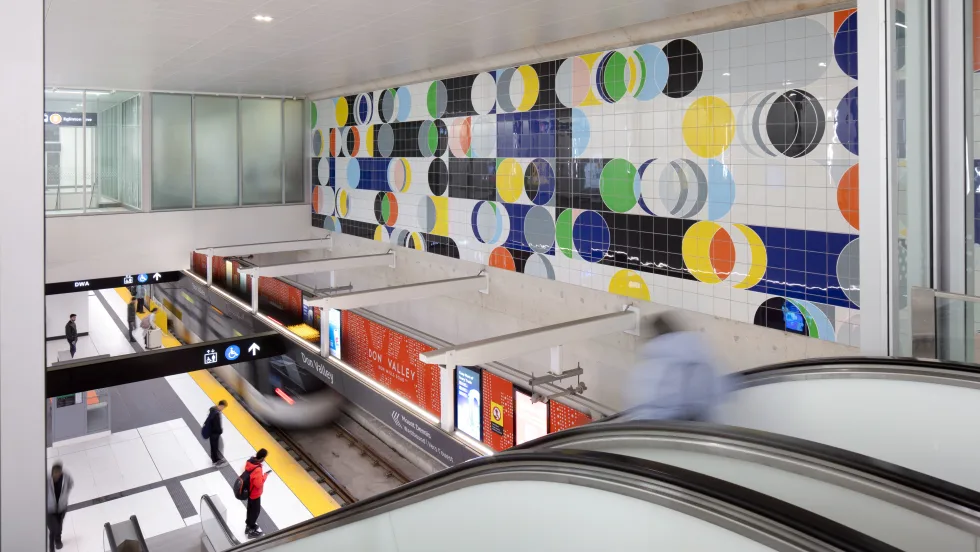
How Gen Z's Changing Mobility Habits Are Reshaping Public Transit
As younger generations embrace multimodal mobility over private vehicles, transit agencies can rethink station design, the passenger experience, and public transportation's role in building connected communities.
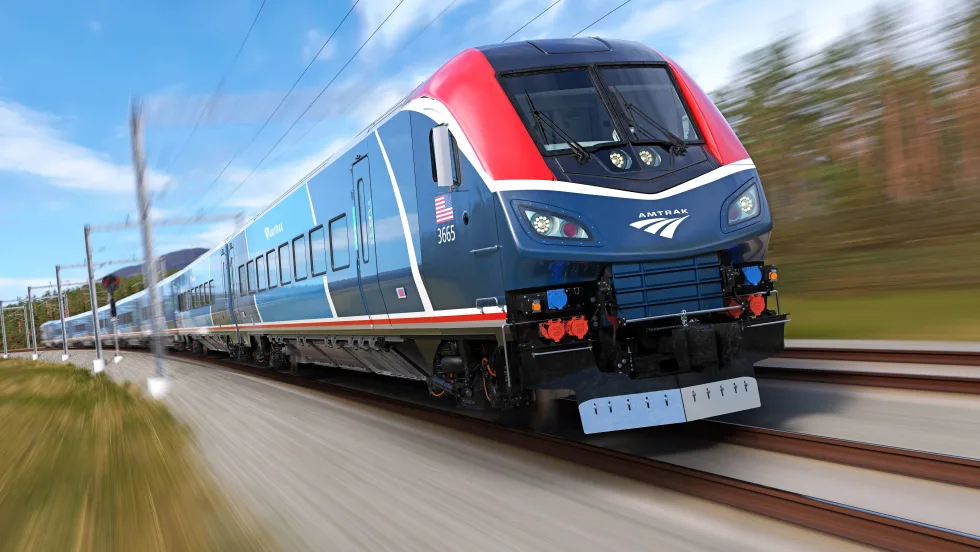
Amtrak Expands Airo Fleet with Eight Higher-Capacity Trainsets
The new 10-car trains, expected to enter service in 2031, will provide about 34% more seating capacity to meet growing demand on the Northeast Corridor.

APTA Urges FTA to Withdraw Proposed Capital Investment Grants Guidance
The association warns that proposed changes could delay transit projects, reduce federal funding, and create new hurdles for 47 projects currently in the CIG pipeline.
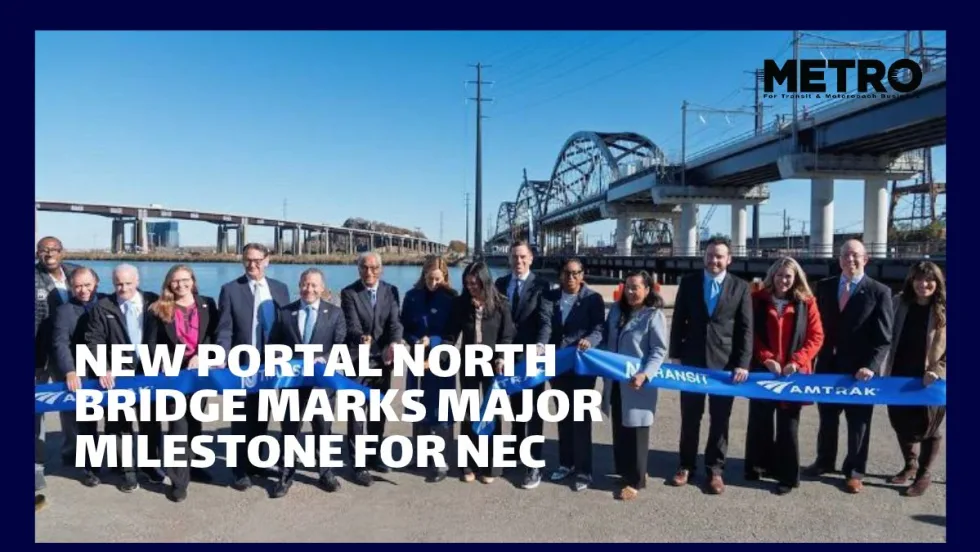
Amtrak, NJ TRANSIT Launch Full Service on New Portal North Bridge
The completion of the two-track bridge over the Hackensack River eliminates a longstanding source of delays for NJ TRANSIT and Amtrak customers. It marks a major milestone for the Gateway Program.
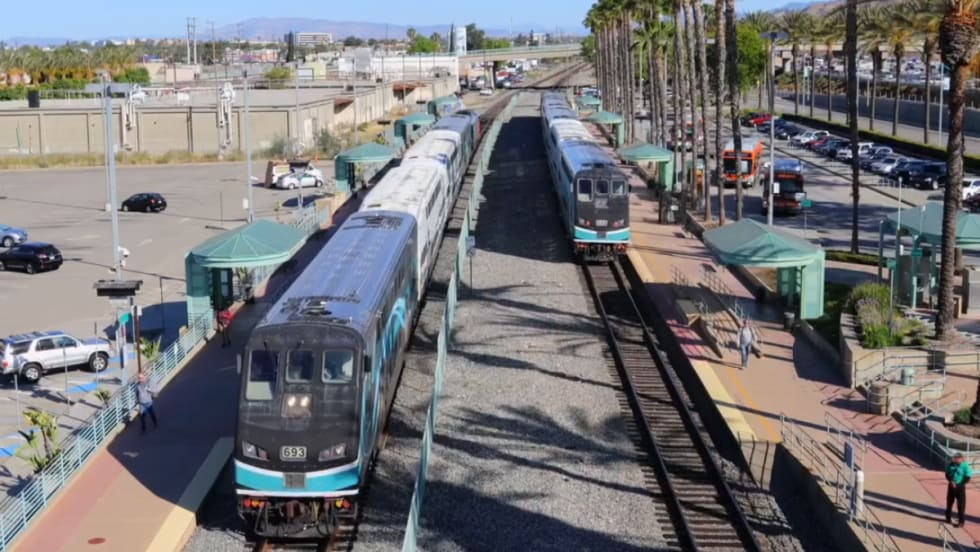
Southern California’s Metrolink Approves $508.8M Budget, Avoids Service Cuts
A $20 million state allocation allows the regional rail agency to maintain existing weekday and weekend service through fiscal year 2028, although longer-term funding challenges remain.
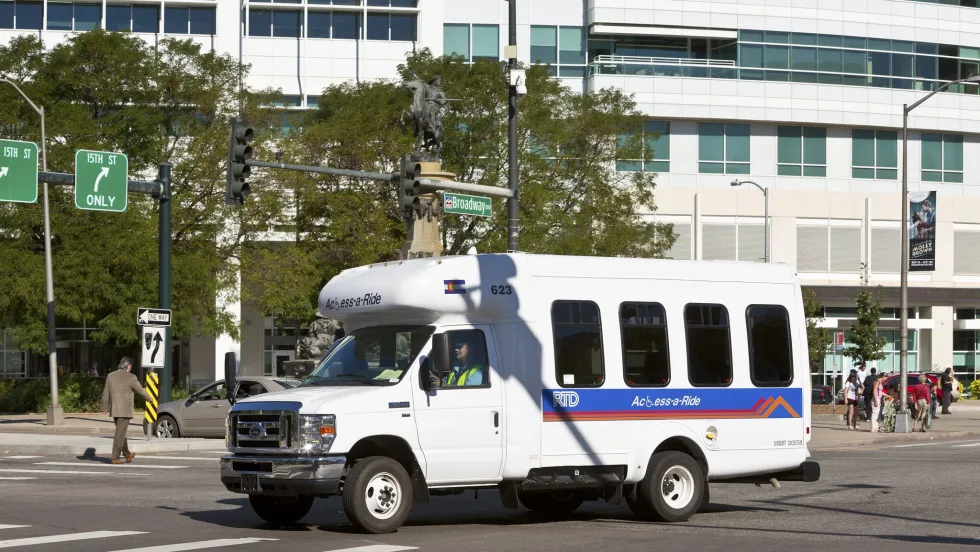
Denver RTD Committee to Review Paratransit Services, Improve Accessibility
The committee will oversee an independent study of paratransit operations, gather customer feedback, and recommend improvements to service reliability, accessibility, and accountability.

Castro to Lead RTC of Southern Nevada and More in People Movement
In this edition, we also cover recent appointments and announcements at the STV, MCI, and more, showcasing the individuals helping to shape the future of transportation.