



'Quiet cars' gain ground on commuter rail systems
NJ Transit is publicizing the Quiet Commute cars on its Website and also plans to wrap one of the cars to advertise their availability.
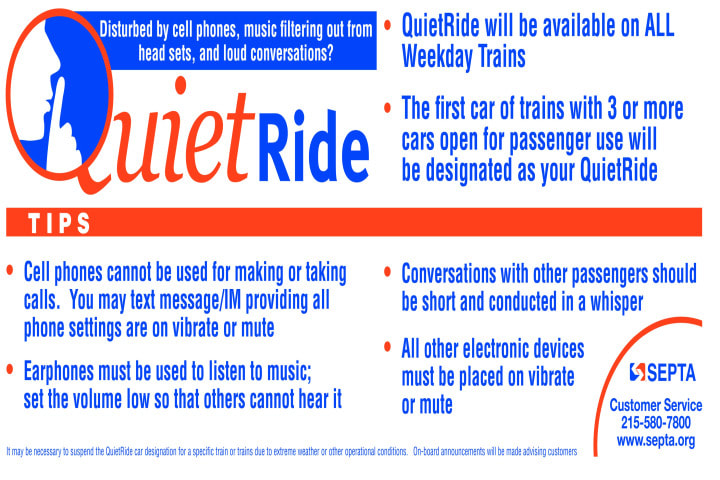
[IMAGE]Quiet.jpg[/IMAGE]New Jersey Transit (NJ Transit) will designate "Quiet Commute" cars on some trains in a 90-day pilot program beginning Sept. 7. NJ Transit will be the largest system with quiet cars once the program begins.
Quiet Commute cars will be available on weekdays on the first and last cars of Northeast Corridor express trains. The 3900-series was selected because the trains' relatively long trip times and regularly high ridership provide an ideal testing environment, according to NJ Transit.
The agency worked with Southeastern Pennsylvania Transportation Authority (SEPTA) to learn about their experience managing a quiet car program.
"We want to make sure that it works, that there aren't any unforeseen consequences," Executive Director James Weinstein said. "We don't believe that there are - we think it's going to be a huge success. It's one of the things our customers ask for most."
In fact, SEPTA's quiet cars have been so popular that the agency is expanding its program from covering just peak hours to now covering the full work day. "We understand by expanding it to midday hours, that we're reaching a new demographic," Chief Press Officer Jerri Williams said. "We're not just reaching people that are used to it because they're commuting to and from work but, now, we're reaching those people that just come occasionally into Philly. We have a whole new education program, talking to them and having things in the paper, so they're fully aware of what the program entails."
In its customer surveys, SEPTA found that 92 percent of passengers agreed with a proposal to extend the quiet car program to all services, where possible. In addition, more than 90 percent of riders said the experience of riding in a quiet car met or exceeded their expectations.
NJ Transit will collect customer feedback on board and online during its pilot program. Assuming it goes well, Weinstein says the agency will likely begin adding quiet cars on the system's other 11 rail lines. "Based on the reaction we've gotten from our customers whose lines weren't chosen for the pilot, I see us rolling this out pretty quickly thereafter," he said.
Quiet car rules are enforced by fellow passengers and conductors, both agencies said. "It's basically self-policed," Weinstein said. In the initial stages, NJ Transit conductors will hand out small business cards explaining the quiet car rules - a practice borrowed from SEPTA's program.
"You know, no cell phones, if you have an iPod, you need to use your earpieces and keep the volume down to a minimum, if you do need to speak, you need to speak in a whisper - those types of rules," Williams said. "They were all laid out in a very friendly, comfortable way. It's a courtesy that we're hoping that all the passengers understand and follow."
"If you're looking for a relaxing ride, all of those things contribute to depriving you of that," Weinstein said.
NJ Transit is publicizing the Quiet Commute cars on its Website and also plans to wrap one of the cars to advertise their availability.
More Rail
OKC Streetcar Makes Zero-Fare Service Permanent
Ridership increased an average of 71% compared with the same period a year earlier during the fare-free pilot.
Read More →
DART Customer Satisfaction Reaches Six-Year High
Overall satisfaction rose to 74.9%, while the agency’s Net Promoter Score reached a record 33.7.
Read More →
How DART's GoPass Is Redefining Regional Mobility
Serving 14 transit agencies, GoPass simplifies multimodal travel by allowing riders to plan, pay for, and manage an entire trip through one app.
Read More →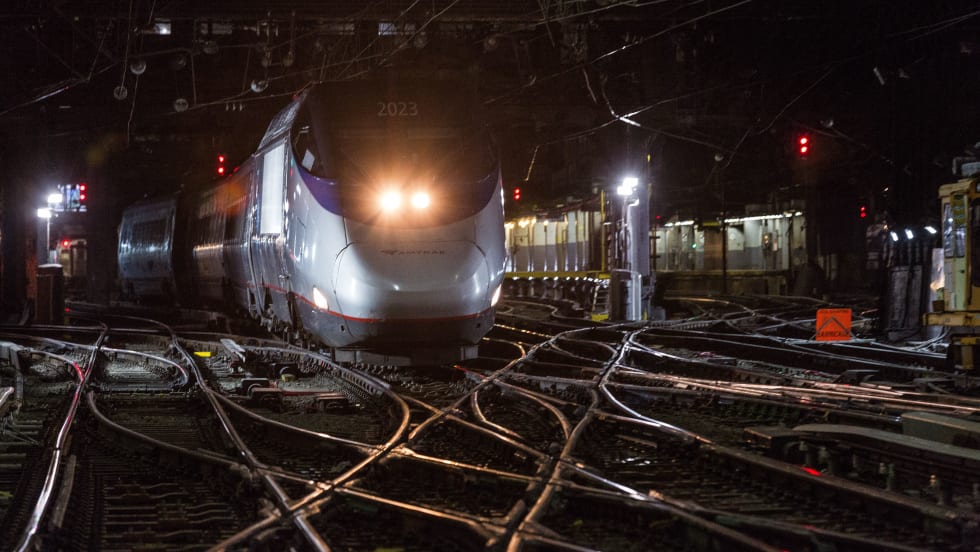
Amtrak Board Advances Plan to Restructure Organization, Seeks Public Input
The proposal, developed by Amtrak management and approved by the board for further consideration, is intended to modernize the organization's structure while improving accountability, operational efficiency, and customer service.
Read More →
Biz Briefs: STV teams with Amtrak, Motorcoach Operators Boost Fleet and Land Contracts, and More
From manufacturers and suppliers to transit agencies and motorcoach operators, these updates offer a snapshot of the projects, partnerships and business moves driving the industry forward.
Read More →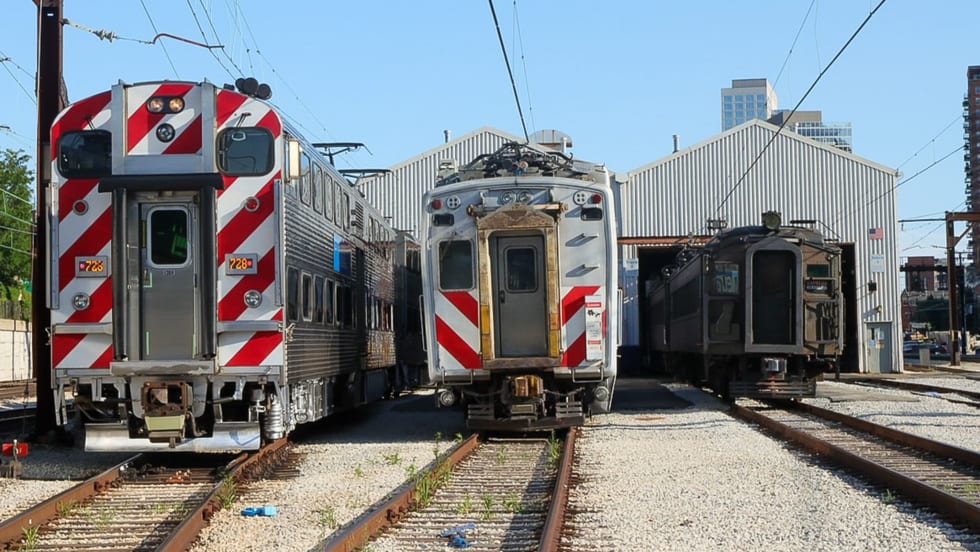
Metra Celebrates 100 Years of Electric Rail, Looks to the Future
The event was also a celebration of recent reforms to public transportation in the Chicago area, changes that could be as transformative in the future as the major civic achievement a century ago, said officials.
Read More →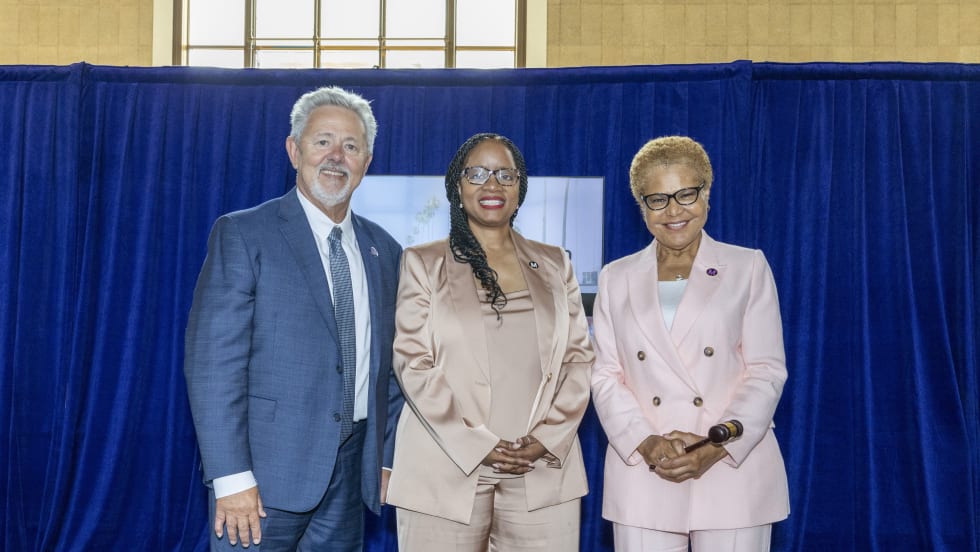
LA Metro Marks Banner Year, Sets Ambitious Goals for New Fiscal Year
Incoming LA Metro Board Chair and Los Angeles Mayor Karen Bass joined outgoing Board Chair Fernando Dutra and LA Metro CEO Stephanie Wiggins to review accomplishments from fiscal year 2026, which included the opening of new rail extensions, advancement of major transit projects, expanded safety programs, and new rider amenities.
Read More →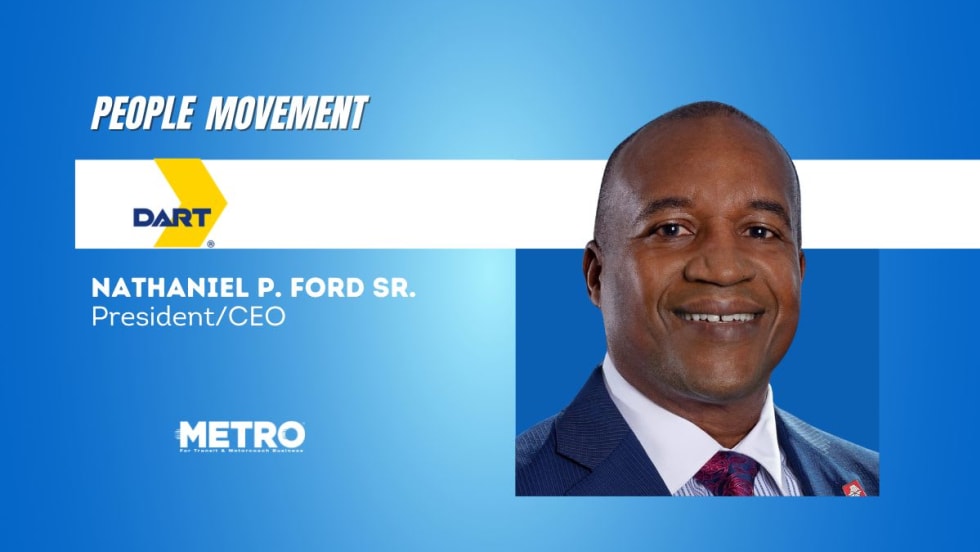
DART Taps Nathaniel P. Ford Sr. as Next President/CEO
Since 2012, Ford has served as the CEO of the Jacksonville Transportation Authority
Read More →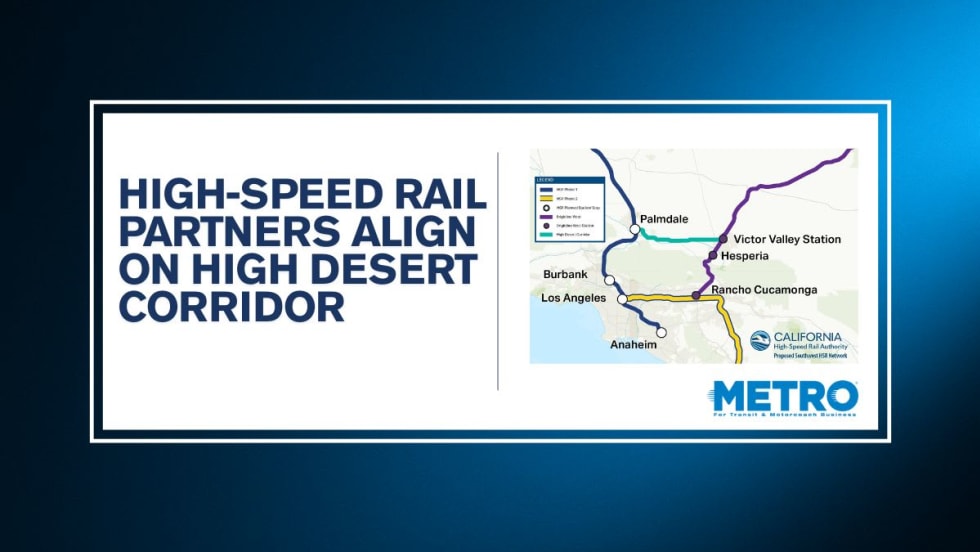
California High-Speed Rail Authority Signs MOU to Advance High Desert Corridor
The agreement deepens collaboration between the California High-Speed Rail Authority and the High Desert Corridor Joint Powers Agency, supporting design integration, cost savings, and faster delivery of a key Southern California rail link.
Read More →
Building the Next Generation of Transit Technology
In this edition of METROspectives, Luminator CEO Magnus Friberg discusses the company's transformation, the growing role of AI and software, and what's next for transit technology.
Read More →