



DART airport station set to open 4 months early
The five-mile Orange Line extension from Belt Line Station to the newly rebuilt Terminal A at DFW will bring the longest light rail system in the U.S. to 90 miles.

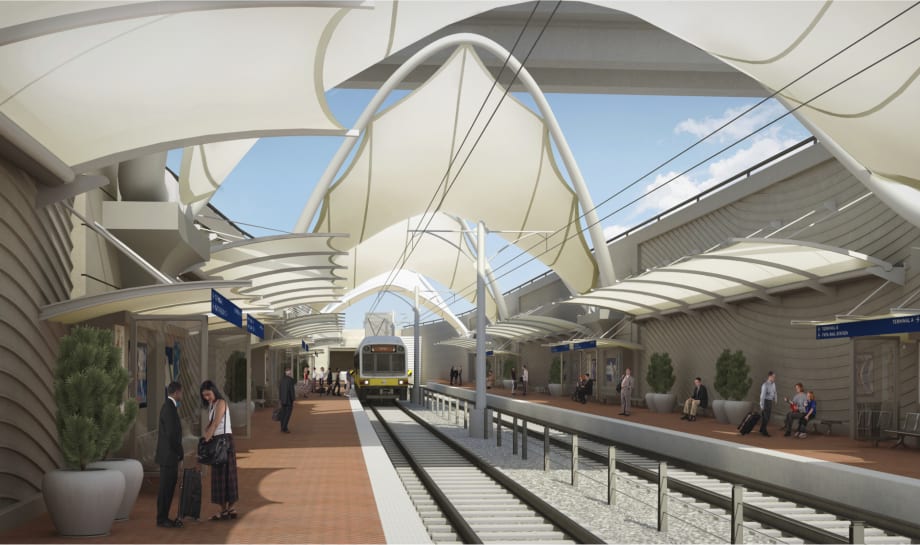
On Aug. 18, Dallas Area Rapid Transit Authority (DART) will join the ranks of transit systems with rail connections to major airports as it opens its Dallas/Fort Worth International Airport (DFW) station four months ahead of schedule and under budget.
The five-mile Orange Line extension from Belt Line Station to the newly rebuilt Terminal A at DFW will bring the longest light rail system in the U.S. to 90 miles.
RELATED:Report: Rail to airport connections a growing trend
When the DFW Airport Station opens, riders will only need to walk about 300 feet from the station to the terminal, making it convenient for people traveling to and from the Dallas/Fort Worth area as well as for people who work at or near the airport, DART President/Executive Director Gary Thomas said.
“Opening a project of this complexity early and under budget is a great testament to the work of our DART team and our colleagues at DFW Airport,” Thomas said. “Support from the Federal Transit Administration and Federal Aviation Administration (FAA) was also crucial to beating the targeted opening.”
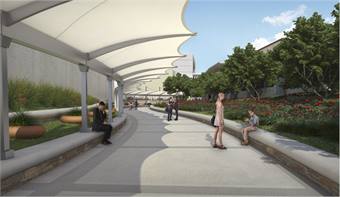
When the DFW Airport Station opens, riders will only need to walk about 300 feet from the station to Terminal A, making it convenient for people traveling to and from the Dallas/Fort Worth area and those who work at or near the airport.
DART received a $5 million Transportation Investment Generating Economic Recovery grant as well as a $119 million Transportation Infrastructure Finance and Innovation Act loan for the rail extension to the station. The first section of the Orange Line received $61 million in American Recovery and Reinvestment Act funds.
DART initially planned to be finished with the station in December. However, as its project partner, DFW International Airport was building the station, and as the transit system handled the track work and catenary systems, they realized they were ahead of schedule. Together, they were able to pin down the opening date, allowing enough time to get all the required testing and integration completed in a timely manner and still have enough time for the training of DART’s operators.
Choosing an August opening date was particularly beneficial because that will make the station accessible before the State Fair of Texas, which starts in late September, and brings significantly high ridership, Thomas said. For example, over the last couple of years, the number of additional trips related to the fair was approximately 700,000 over a three-week period.
The project has also created about 60,000 jobs in and around DFW airport, from employees on airport property and businesses adjacent to it associated with hospitality, storage and logistics. The project created between 500 and 1,000 jobs not counting ancillary jobs, such as parts manufacturing, he added.
“All of those are solid employee bases, so I anticipate that this will be a well-used part of our system,” Thomas said. “I think that will only grow as time goes on.”
DART is currently projecting 1,200 trips per day going to the airport station, but Thomas said he can see that growing once more people become aware of the new station.
One challenge in completing the project was working with all the government entities that have control over the airport property.
“When you connect to the airport, you not only [work with] the FTA or Federal Railroad Administration, depending on your mode, you also have the FAA, and the U.S. Department of Homeland Security and the Transportation Security Administration,” Thomas explained.
However, he said the project has been a good team effort.
“It’s been fun to work on, and our partners at DFW have been great,” Thomas said.
More Rail
CSA Group Releases Climate Resilience Standard for Transit, Passenger Rail
Developed with support from the Standards Council of Canada, CSA D700 guides assessing climate-related risks and planning adaptation measures for transit and passenger rail systems.
Read More →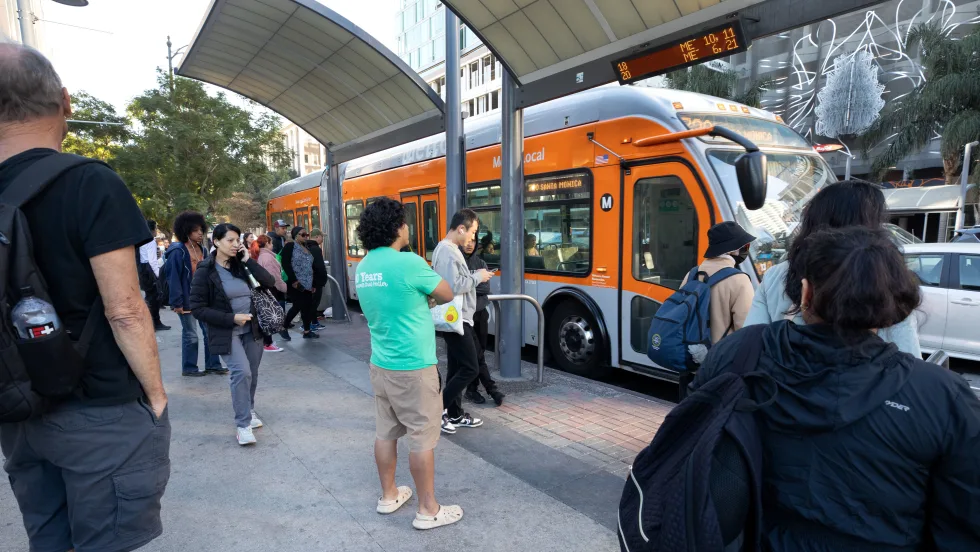
LA Metro September Ridership Climbs 3.9%, Led by Rail Growth
The agency recorded more than 27.2 million boardings, with rail ridership increasing 12.4% year over year and the D Line posting the largest gains.
Read More →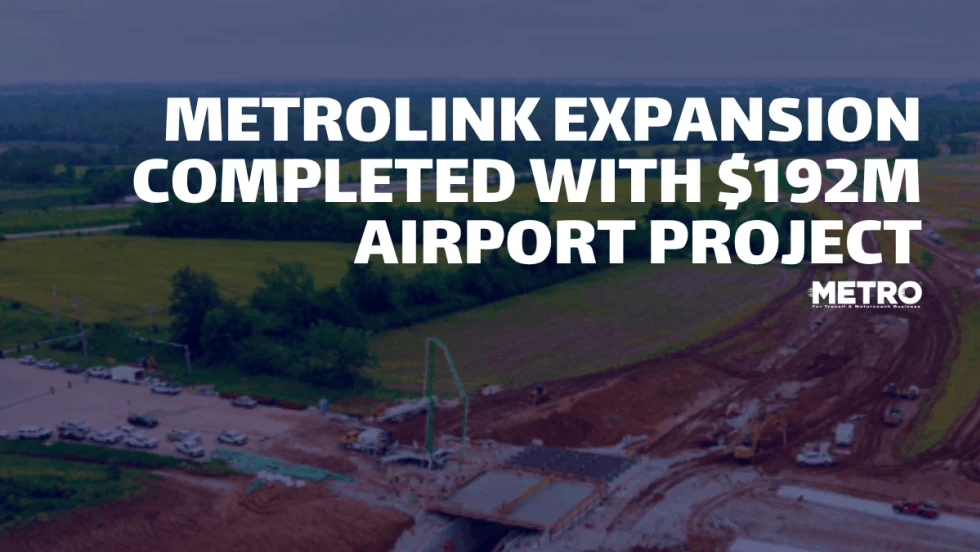
First Full MetroLink Rail Expansion Completed in 20 Years with $192M Airport Project
The project links two St. Louis-area airports by light rail while adding roadway and bike trail connections to improve regional access and mobility.
Read More →
Utilimarc Launches SmartReplace to Optimize Fleet Replacement Decisions
AI-powered SmartReplace helps fleets prioritize vehicle replacements, model budget scenarios, and build more defensible long-term strategies.
Read More →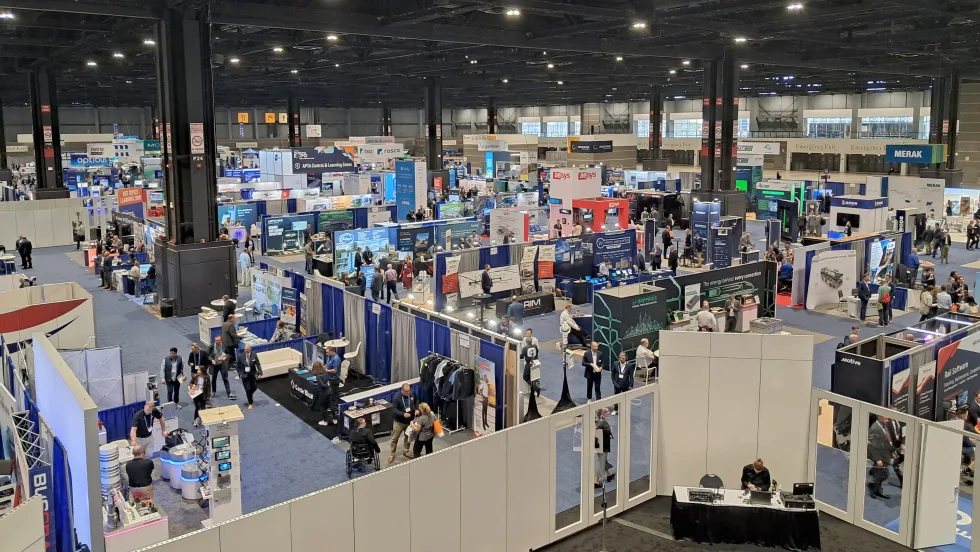
Scenes from APTA TRANSform & EXPO 2026
Transit leaders, manufacturers, and industry professionals gathered in Chicago to explore new technologies, share ideas, and discuss the future of public transportation.
Read More →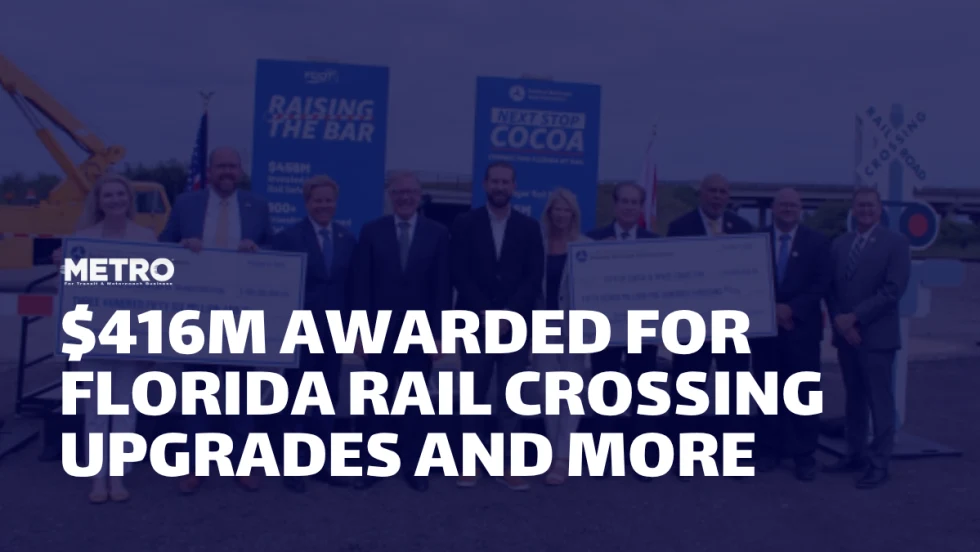
USDOT Awards $416 Million for Florida Rail Crossing Safety Upgrades, New Brightline Station
The projects aim to reduce risks for motorists and pedestrians at rail crossings while expanding passenger rail access along Florida’s Space Coast.
Read More →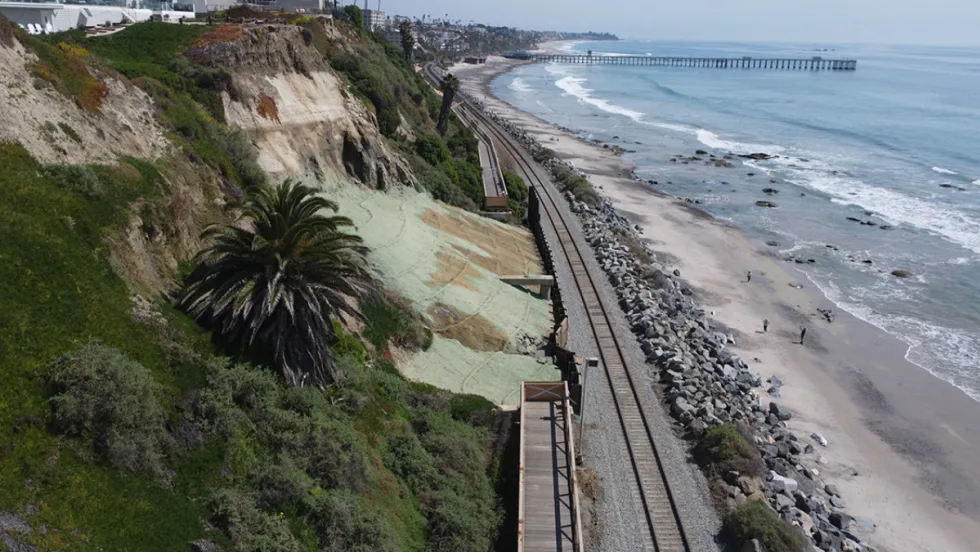
OCTA Declares Emergency to Protect Rail Corridor From Coastal Erosion
The California agency is accelerating shoreline protection and plans to place approximately 690,000 cubic yards of sand along the San Clemente coast to protect a key passenger and freight rail link.
Read More →
More Than a Summer Job: Building the Next Generation of Transit Talent
The Delaware River Port Authority and PATCO have transformed their internship program into a hands-on professional development experience that introduces students to the breadth of transportation careers — and creates a pipeline for future employees.
Read More →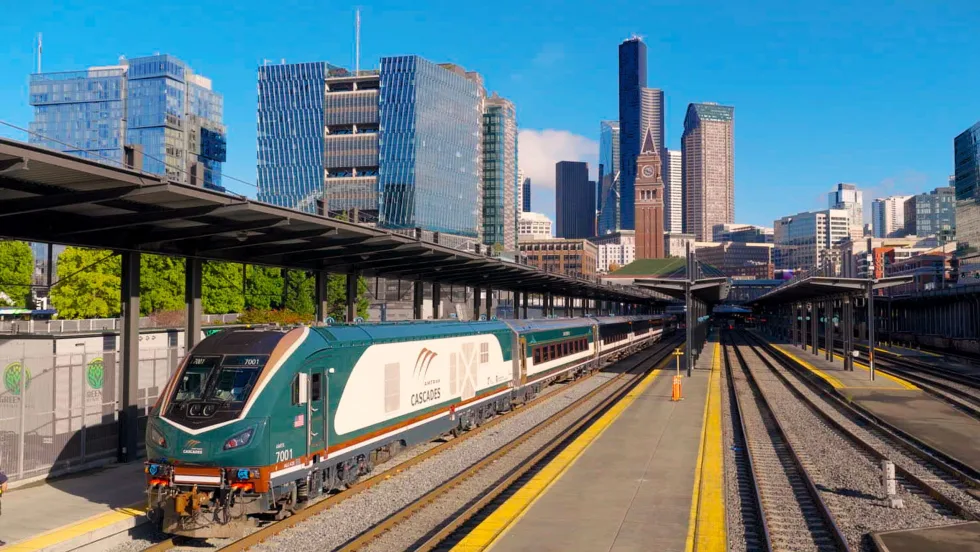
Airo Trains Make Their Amtrak Cascades Debut in the Pacific Northwest
Effective immediately, two cutting-edge Airo trainsets will join the Amtrak Cascades route, operating four daily trips between Vancouver, B.C., Seattle, Portland, and Eugene, Oregon, marking the first introduction of Airo trains into passenger service anywhere in the country.
Read More →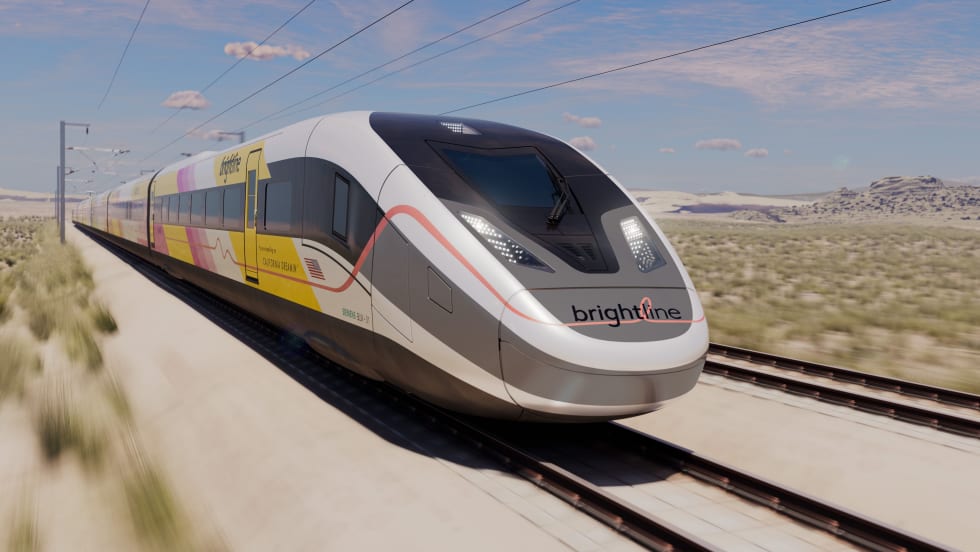
Florida's Brightline Announces Financial Restructuring
Brightline Florida says train operations will continue as normal as certain parent entities enter Chapter 11 and financial stakeholders provide $490 million in new long-term capital.
Read More →