



How Reverse Commutes Can Help Reshape Rail Ridership
Keolis and the MBTA partnered on a revenue-incentive agreementthat includes an integrated, first-of-its-kind marketing campaign to increase ridership through reverse commuting and leisure travel.

The main goal of the campaign is to convince people who typically would travel by car to convert to riding the train the next time they go into Boston or a surrounding community on the weekend, translating into increased ridership and revenue.
Photos via Keolis

The Massachusetts Bay Transportation Authority (MBTA) Commuter Rail, operated and maintained by Keolis, transports approximately 127,000 passengers each day throughout the greater Boston area. Not surprisingly, more than a majority of these riders use this service to commute to and from work, usually traveling from suburban areas to their offices in downtown. The high volume of commuters entering the city in the morning and leaving in the evening ensures that trains traveling these directions are busy and full of passengers.
But the same cannot be said for trains leaving the city in the morning and entering the city at the end of the workday, which usually have plenty of open seats. Trains traveling in the opposite directions are also known as a reverse commute. These reverse-commute trains have historically seen low volume during rush hour, and beyond the work week, ridership is also low. This led Keolis and the MBTA to partner through a revenue-incentive agreement that includes an integrated, first-of-its-kind marketing campaign to increase ridership through reverse commuting and leisure travel.
Why Reverse Commute?
The main goal of the campaign is to convince people who typically would travel by car to convert to riding the train the next time they go into Boston or a surrounding community on the weekend, translating into increased ridership and revenue. The messaging of the campaign highlights the benefits of taking commuter rail for these types of trips. For example, trains are less crowded, meaning that plenty of seats are available, and the marketing draws attention to the wide-variety of cultural activities, restaurants, and other places to visit around the region. For reverse commuters, the advertising focuses on the benefit of leaving the car at home, avoiding traffic and enjoying time on the train to work, read, or relax.
Ensuring that potential passengers are aware of the public transportation modes available to them is critical to the campaign’s success. The omni-channel campaign launched by the MBTA and Keolis incorporates a variety of media, including radio, billboards, television, targeted direct mail, digital ads, and public relations. The campaign’s success relies upon effectively communicating the benefits and ease of taking public transportation for reverse commutes and leisure trips. Public transportation methods like commuter rail are a cost-effective, convenient, and sustainable way to travel, policy areas that are important to advance. Reaching individuals who typically travel by car and may not be aware of the commuter rail options in their neighborhood is crucial for increasing ridership on these trains and getting more cars off the road.
The campaign was designed as a true consumer marketing campaign. The initiative first began by performing extensive analysis of the market opportunity, including capacity and job centers near stations. This data-driven analysis served as a precursor to then allow the Keolis and MBTA team to design a campaign focused on the appropriate key performance indicators to measure success. This includes educating potential riders that the service is a convenient option they may not have known was available to them. Our team established a target number of passengers to convert from driving by car to taking the train. Once the number of passengers was determined, we assumed a conversion rate to determine how many impressions the campaign needed to generate to convert the target number of passengers.
Benefits of the Reverse Commute
There are economic, environmental, and practical benefits to the reverse commute. The high number of cars in cities leads to reduced levels of air quality and higher pollution rates. Heightened ridership levels on public transportation decreases traffic congestion, which in turn reduces car emissions. For customers, public transit is also typically a more cost-effective way to travel than owning a car and paying for gas, parking, and vehicle maintenance.
The benefits of utilizing public transportation for reverse commutes and leisure travel span beyond the commuters themselves. For example, regional transportation management associations and elected officials are also looking to reduce emissions and congestion in their cities and promote sustainable transportation methods. These are factors that draw people to cities, thus important for attracting both quality employers and employees alike.

Evaluating the Campaign
Keolis hopes this campaign will help city residents embrace the reverse commute and inspire more cities to encourage it. The first-of-its-kind campaign launched by Keolis and MBTA can be replicated by other public transit authorities in cities worldwide to address low ridership and increase passenger volume on the trains with capacity. This innovative approach takes advantage of trains that are already running each day and does not require the transit authority to alter train schedules or increase fares.
Measuring the success of our efforts can be done in a few different ways. As the campaigns continue, a variety of data will be key factors to measure success, including revenue and passenger satisfaction surveys, which measure riders who experienced the system for the first time. Further, the campaign hopes to spread the message of the reverse commute by garnering a number of impressions from its various channels and placements.
Overall, our campaign aims to communicate that public transportation should be utilized at more times than just rush hour and traditional commutes into the city. Whether for work or a Red Sox game, commuter rail can be more convenient and efficient for residents as compared to driving. Our hope is that this campaign will inspire more informed decisions when it comes to choosing how to get from place to place and take advantage of public transportation in their city.
Dave Walker is Director, Revenue and Marketing, for Keolis Commuter Services.
(This article originally appeared in METRO's 2018 Sept/Oct issue)
More Rail
New York MTA Leverages Zoning Program to Advance Station Accessibility
Accessibility enhancements at Nevins St Station will be financed through a development agreement tied to the MTA's Zoning for Accessibility initiative.
Read More →
Virginia's $28.5B Transportation Plan Targets Transit and Rail
Approved by the Commonwealth Transportation Board, the program supports ongoing infrastructure projects while providing new investments in transit, state of good repair and transportation alternatives.
Read More →
DOT: Brightline Corridor Incidents Fall 30% Following Federal Safety Upgrades
Safety improvements funded through a $25 million federal investment are credited with reducing trespassing and train-vehicle collisions along the Brightline Florida corridor.
Read More →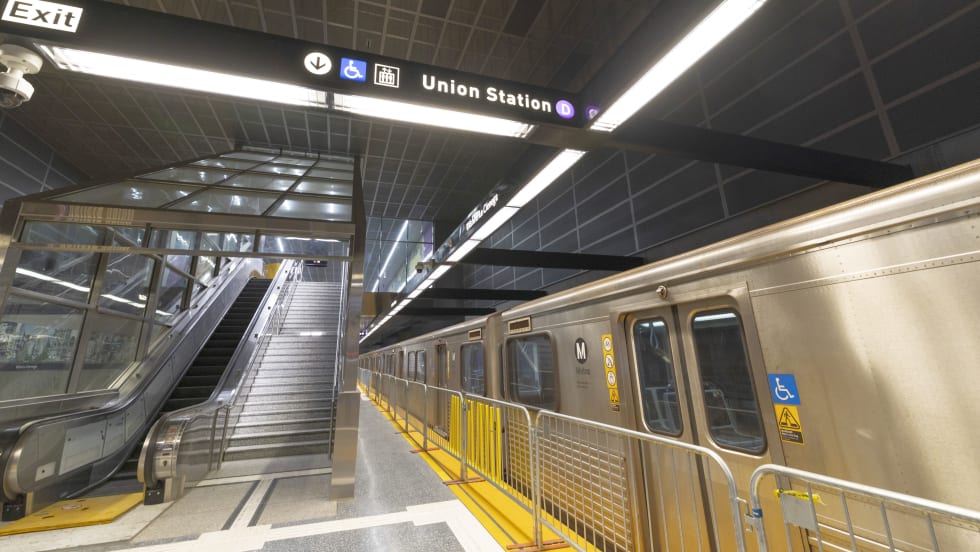
D Line Expansion Fuels Growth Across LA Metro's Rail System
Weekend rail ridership was especially strong, soaring 18% as riders embraced expanded access to jobs, entertainment, dining, and cultural destinations, said the agency. Total system ridership for May, including bus and rail, was 26,966,657.
Read More →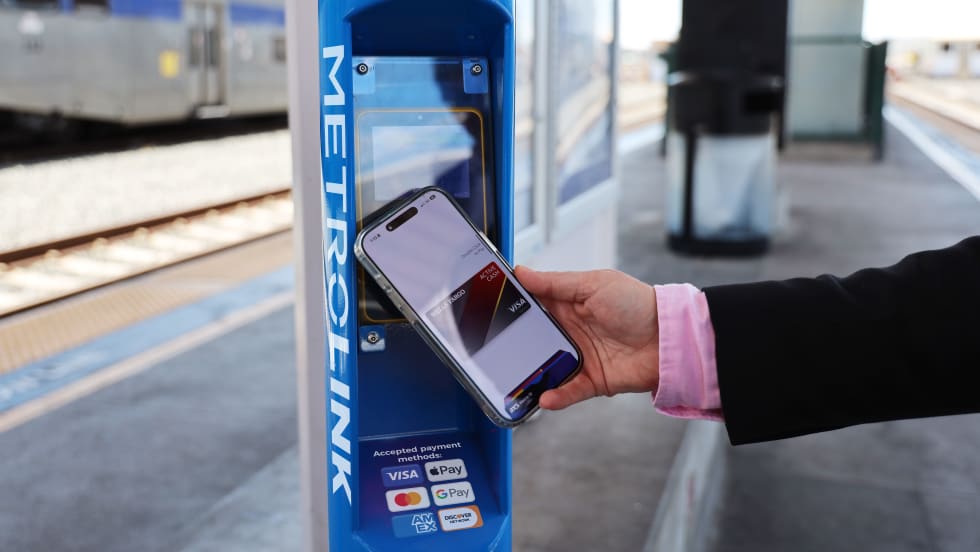
Southern California's Metrolink Debuts Contactless Fare Payment Pilot
Customers traveling between Redlands and Los Angeles can now tap their preferred payment method, including a credit or debit card, mobile wallet, or wearable device, at station validators before boarding and again while exiting.
Read More →
California's BART Approves FY27 Budget While Maintaining Service Levels
The budget covers July 1, 2026, through June 30, 2027, a period when pandemic emergency funds run out, the District faces a structural deficit of $375 million, and a regional transit funding measure may appear on the November ballot.
Read More →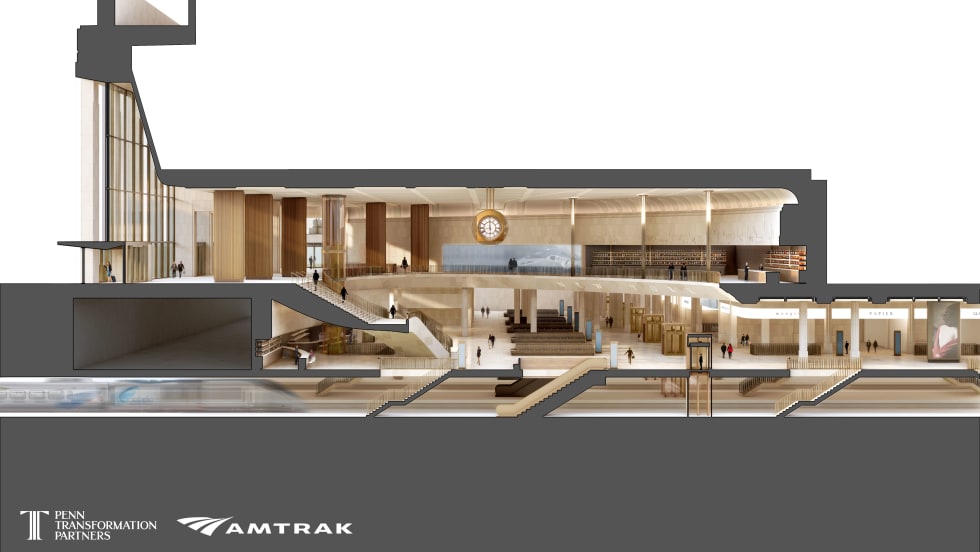
Penn Station Transformation Advances with Design Unveiling
The historic redesign will transform the busiest transit hub in the Western Hemisphere from the tracks to the street level, creating a more efficient, cleaner, and functional experience for more than 600,000 daily commuters and millions of visitors.
Read More →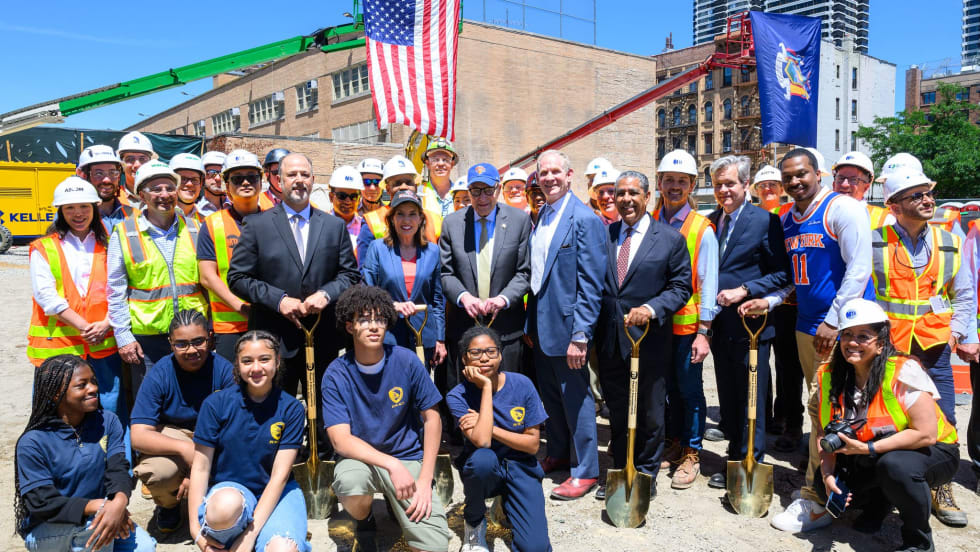
Second Avenue Subway Phase 2 Advances into Major Construction Stage
New York Governor Kathy Hochul joined leadership from the MTA, elected officials, and Harlem community leaders to break ground on the major construction stage of the transformative Second Avenue Subway Phase 2 project.
Read More →
The Invisible Infrastructure of Passenger Flow
What a seat reservation system on Austria’s Railjet trains reveals about the future of rider experience, and why U.S. agencies should pay attention.
Read More →
Caltrain Board Approves FY27 Budget, Endorses Efficiency Measures
The move ensures Caltrain service will continue operating as usual in the near term, but long-term financial challenges remain for the rail agency absent a new revenue source.
Read More →