



FRA ramps up campaign to address nationwide grade crossing safety
The first phase of the effort calls upon local law enforcement agencies to show a greater presence at grade crossings, issue citations to drivers that violate rules of the road at crossings and consider rapid implementation of best practices for grade crossing safety.

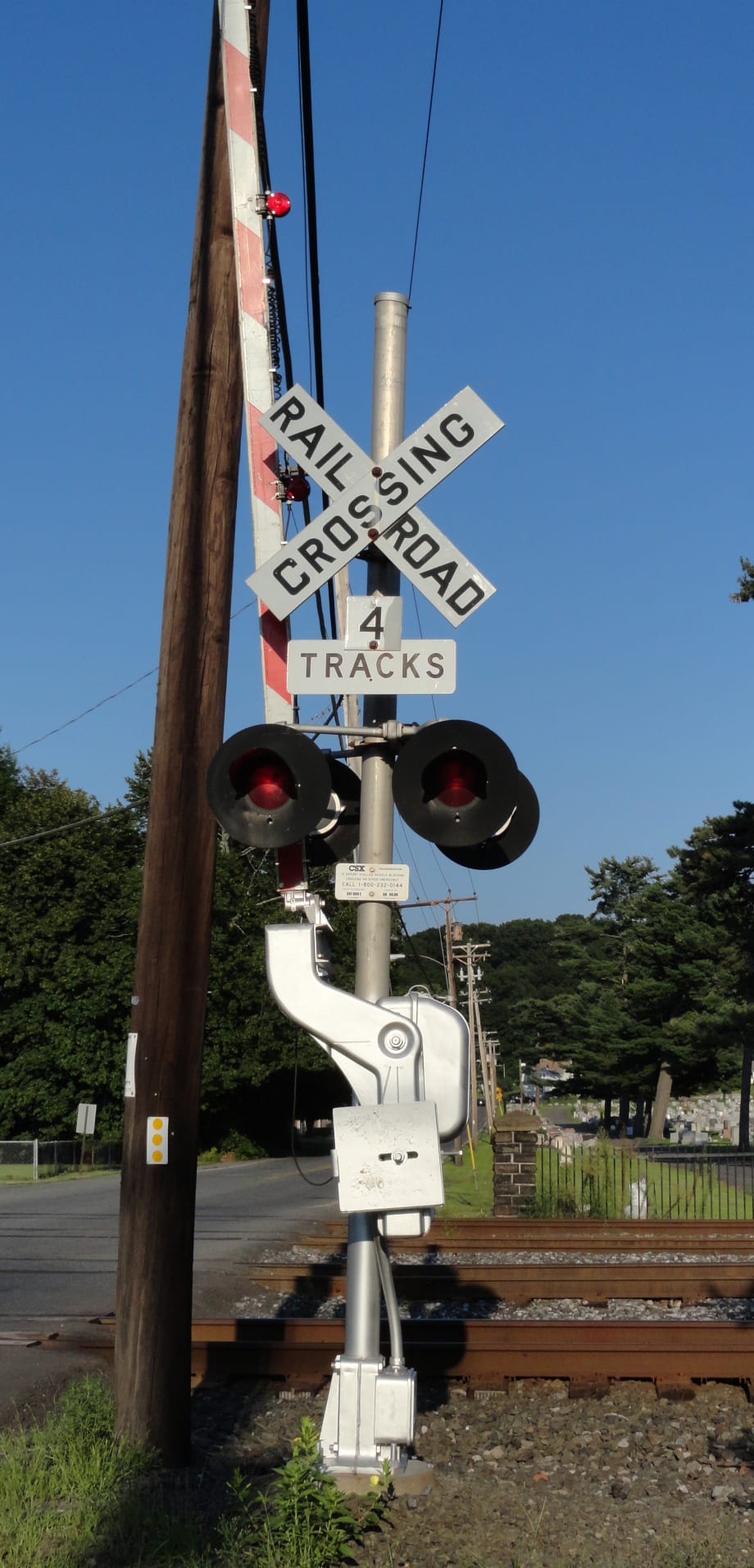
As part of its ongoing effort to improve safety at railroad grade crossings, the Federal Railroad Administration (FRA) announced the first step in a new, multi-faceted campaign aimed at strengthening enforcement and safety awareness at grade crossings.
The first phase of the effort calls upon local law enforcement agencies to show a greater presence at grade crossings, issue citations to drivers that violate rules of the road at crossings and consider rapid implementation of best practices for grade crossing safety.
The next phase of FRA’s efforts to improve safety at grade crossings will aim to employ smarter uses of technology; increase public awareness of grade crossing safety, including distracted driving; improve signage; work closer in partnership with states and local safety agencies; and call for new funding for greater safety at grade crossings.
RELATED:Transit Emergency: What Can You Do to Stay Safe?
“Recent accidents in New York and California are important reminders of our shared challenge to both educate the public about grade crossing safety, and to enforce appropriate behavior around railroad operations,” said U.S. Transportation Secretary Anthony Foxx. “Grade crossing and trespassing accidents are serious challenges to maintaining public safety. Every three hours of every day, someone is hit by a train in the United States and we must do all we can to heighten public awareness, strengthen enforcement efforts and pioneer new technologies to better secure public safety.”
There are 250,711 grade crossings in the U.S.; about 51% of those are public-at-grade crossings. Only half of all public grade crossings have automatic-warning systems and only a third have flashing lights and gates. Approximately 15% of all grade crossings are grade separated — the safest of all crossings — meaning railroad traffic is completely separated from vehicle and pedestrian traffic.
States and localities have traditionally played the most significant role in determining the type of warning system present at grade crossings, with most system decisions determined by traffic levels. Upgrades to existing grade crossings are also the responsibility of states and local communities. Under federal law and regulations, railroads are responsible for inspecting, testing, and maintaining highway-rail grade crossings.
More Rail

New York MTA Advances Final Contract for Second Avenue Subway Expansion
Contract Four is the largest in the Second Avenue Subway Phase 2 project and includes construction of station infrastructure, tracks, and signals for the subway expansion, MTA officials said. Work on Contract Four will begin in 2027.
Read More →
San Diego MTS Breaks Monthly Trolley Ridership Record
Agency officials said July’s ridership indicates MTS’s continued recovery from the pandemic.
Read More →
Report Examines NJ TRANSIT Reliability, Funding Challenges
The Garden State Initiative analysis examines the roles of Amtrak infrastructure, fleet management, and agency operations while recommending a more performance-based approach to improving reliability.
Read More →
Stadler, CapMetro Sign Long-Term Rail Fleet Support Agreement
Beginning in 2027, Stadler will provide on-site technical expertise, spare parts support, training, and obsolescence management to help extend the reliability and longevity of CapMetro’s GTW fleet.
Read More →
Biz Briefs: Alstom Lands Canadian Contract, LYT to Supply California TSP, and More
In METRO's latest installment, we take a look at recent news from Complete Coach Works, Beep, FlixBus, and more partnerships making headlines across the transportation sector.
Read More →
CATS Gold Line Marks 5 Years of Service, 2.8M Passenger Trips
With a six-mile expansion planned, the Charlotte streetcar is positioned to connect more neighborhoods and major transit hubs across the region.
Read More →
Why Simulating Pedestrian Movement Has Become Essential for Modern Rail Stations
Pedestrian microsimulation is helping rail planners identify bottlenecks, test station designs, and prepare complex transit hubs for growing passenger volumes.
Read More →
Amtrak Begins Major Construction at New York’s Sunnyside Yard
The new maintenance facility will support Amtrak’s Airo trainsets while improving maintenance efficiency and turnaround times in New York.
Read More →
Chicago Leaders Unveil Plans for O’Hare Airport Express Train
The privately developed project would offer a 15-minute trip between downtown and O’Hare’s Terminal 2, with trains operating every 15 minutes on a dedicated track. The service would use battery-electric trains and three existing freight rail rights-of-way.
Read More →
OCTA Maps Out 30-Year Strategy to Protect Coastal Rail Corridor
The draft feasibility report identifies strategies to protect the coastal rail line for decades as the agency continues near-term stabilization and sand placement efforts.
Read More →