




Related: Will Federal Officials Fix the Trust Fund or Just Play Games?
House passes short-term extension of MAP-21
The Highway and Transportation Funding Act of 2015, sponsored by House Transportation and Infrastructure Chairman Bill Shuster (R-PA) and House Ways and Means Chairman Paul Ryan (R-WI), passed by a vote of 387 – 35 – 1.
May 20, 2015
Jyothis
3 min to read

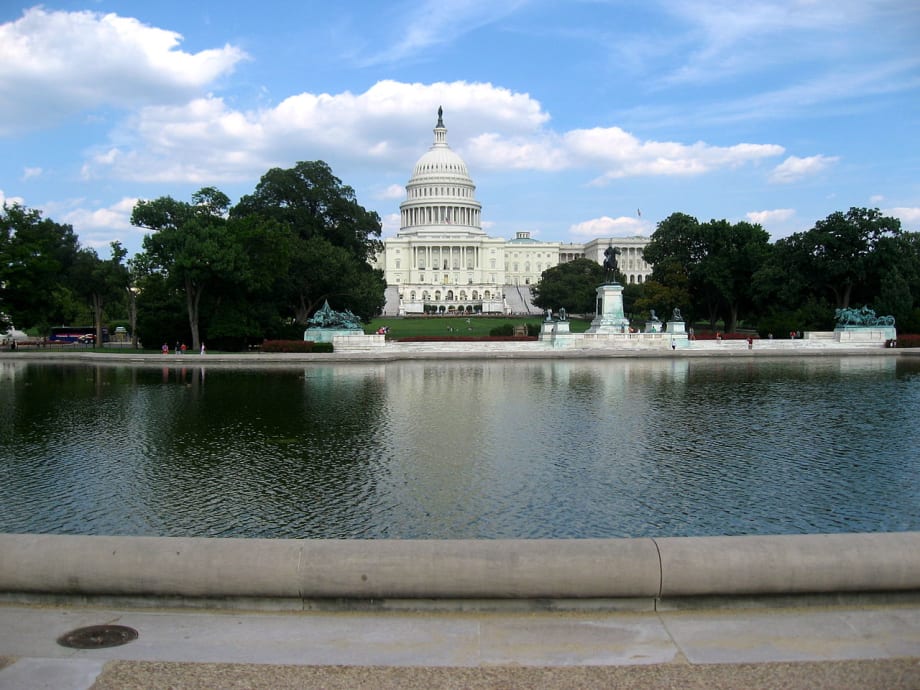
The House of Representatives passed H.R. 2353, a short-term surface transportation authorization extension through July 31.
The Highway and Transportation Funding Act of 2015, sponsored by House Transportation and Infrastructure Chairman Bill Shuster (R-PA) and House Ways and Means Chairman Paul Ryan (R-WI), passed by a vote of 387 – 35 – 1. This extension comes after several weeks of failed negotiations to find approximately $11 billion to fund the Highway Trust Fund (HTF) until the end of the calendar year.
House and Senate leaders were unable to reach an agreement on offsets for a bill that would extend the programs through the end of the year, which was intended to give Congress time to form a larger tax reform package to pay for a multi-year surface transportation bill.
Congress is scheduled to head home for the Memorial Day recess period.
"We appreciate the U.S. House of Representatives for passing an extension of the federal program for surface transportation funding, also known as MAP-21. However, this extension does not increase funding for public transportation, roads, bridges and rails, it merely maintains the current funding levels of the program until the end of July. It also avoids the May 31 deadline when the program was set to expire.
"It is our understanding that it is likely this action by the House will lead to an additional extension of the federal program which could last until the end of the year. Congressional leaders note that this extension is intended to provide time to secure funding for a long-term bill.
"APTA strongly believes that Congress should expedite its efforts and find a solution that provides for long-term investment in our public transportation, road and rail network. It is crucial that Congress act with urgency to address the nation's crumbling infrastructure.
"Congress must get focused and use these two months to develop realistic and viable options for a long-term solution to funding the nation's transportation system.
"There is an $88 billion backlog just to get public transportation infrastructure up to a state of good repair, according the Federal Transit Administration's latest estimates.
"Long-term investment in our nation's public transportation infrastructure provides a tremendous boost to our nation's economy. In fact, one dollar invested in public transportation results in four dollars in economic returns. And one billion dollars invested in public transportation yields 50,000 jobs.
"Public transportation ridership has reached its highest levels in 58 years with more than 10.8 billion trips last year. We strongly encourage Congress to continue its work to provide a much needed jolt to the economy and address the increasing demand for public transportation.
"We look forward to working directly with both Houses of Congress and the Administration to encourage them to pass a comprehensive long-term transportation bill that grows the program."
More Rail
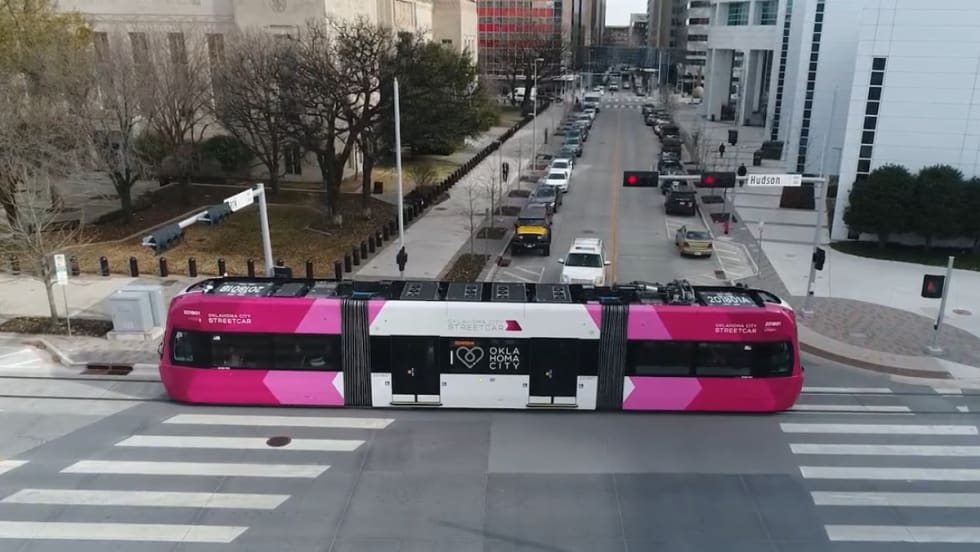
OKC Streetcar Makes Zero-Fare Service Permanent
Ridership increased an average of 71% compared with the same period a year earlier during the fare-free pilot.
Read More →
DART Customer Satisfaction Reaches Six-Year High
Overall satisfaction rose to 74.9%, while the agency’s Net Promoter Score reached a record 33.7.
Read More →
How DART's GoPass Is Redefining Regional Mobility
Serving 14 transit agencies, GoPass simplifies multimodal travel by allowing riders to plan, pay for, and manage an entire trip through one app.
Read More →
Amtrak Board Advances Plan to Restructure Organization, Seeks Public Input
The proposal, developed by Amtrak management and approved by the board for further consideration, is intended to modernize the organization's structure while improving accountability, operational efficiency, and customer service.
Read More →
Biz Briefs: STV teams with Amtrak, Motorcoach Operators Boost Fleet and Land Contracts, and More
From manufacturers and suppliers to transit agencies and motorcoach operators, these updates offer a snapshot of the projects, partnerships and business moves driving the industry forward.
Read More →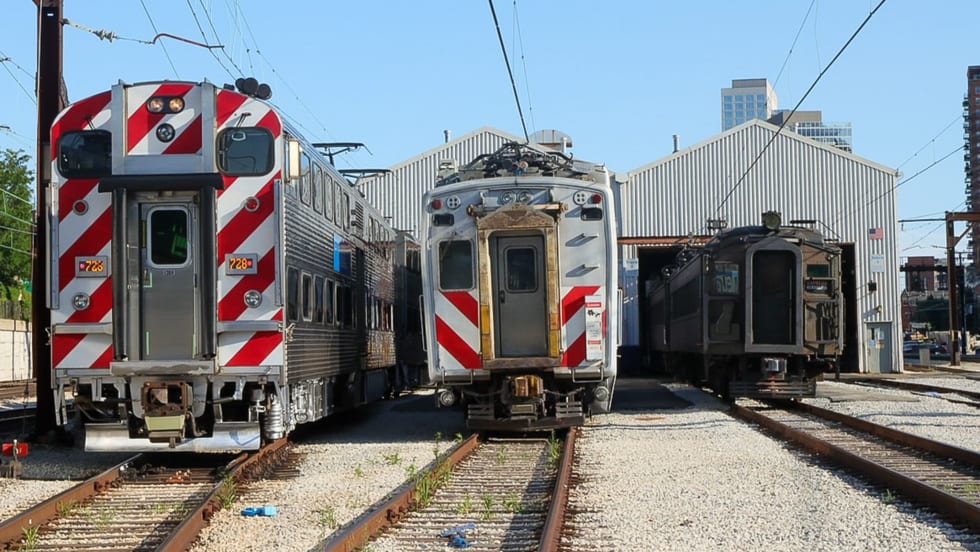
Metra Celebrates 100 Years of Electric Rail, Looks to the Future
The event was also a celebration of recent reforms to public transportation in the Chicago area, changes that could be as transformative in the future as the major civic achievement a century ago, said officials.
Read More →
LA Metro Marks Banner Year, Sets Ambitious Goals for New Fiscal Year
Incoming LA Metro Board Chair and Los Angeles Mayor Karen Bass joined outgoing Board Chair Fernando Dutra and LA Metro CEO Stephanie Wiggins to review accomplishments from fiscal year 2026, which included the opening of new rail extensions, advancement of major transit projects, expanded safety programs, and new rider amenities.
Read More →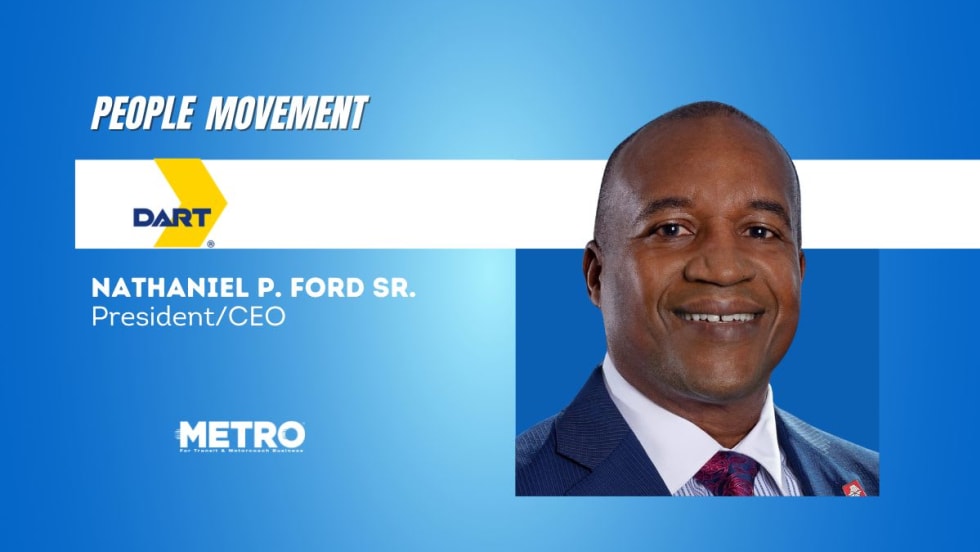
DART Taps Nathaniel P. Ford Sr. as Next President/CEO
Since 2012, Ford has served as the CEO of the Jacksonville Transportation Authority
Read More →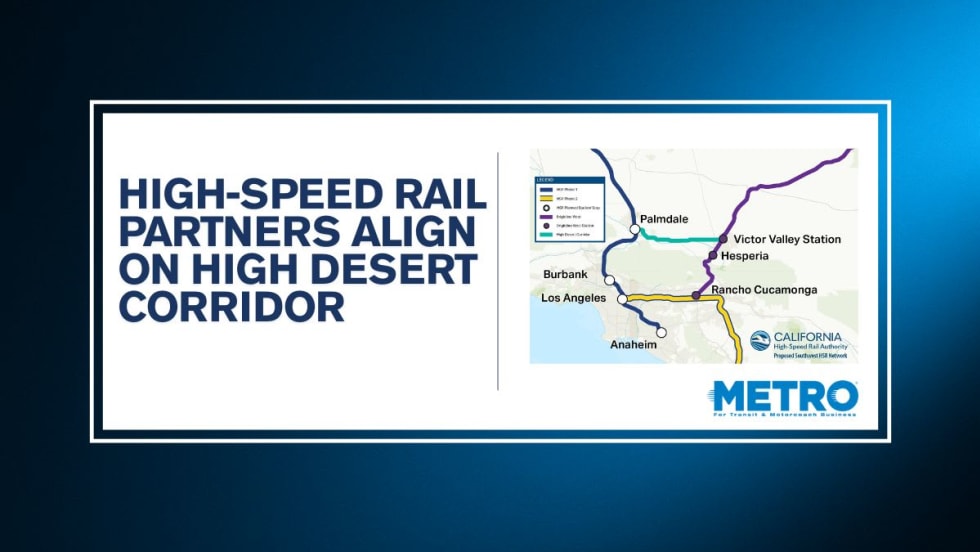
California High-Speed Rail Authority Signs MOU to Advance High Desert Corridor
The agreement deepens collaboration between the California High-Speed Rail Authority and the High Desert Corridor Joint Powers Agency, supporting design integration, cost savings, and faster delivery of a key Southern California rail link.
Read More →
Building the Next Generation of Transit Technology
In this edition of METROspectives, Luminator CEO Magnus Friberg discusses the company's transformation, the growing role of AI and software, and what's next for transit technology.
Read More →