




[Timelapse Video] From March 24-27, 2014, crews dismantled a bridge over Mayfield Road that needed to be removed to allow for construction of RTA's new Little Italy - University Circle Rapid Station.
Cleveland RTA unveils new Little Italy-University Circle Station
The new $17.5 million Red Line station, which replaces an old and functionally obsolete facility, is RTA’s first new Red Line station in 46 years.
August 12, 2015
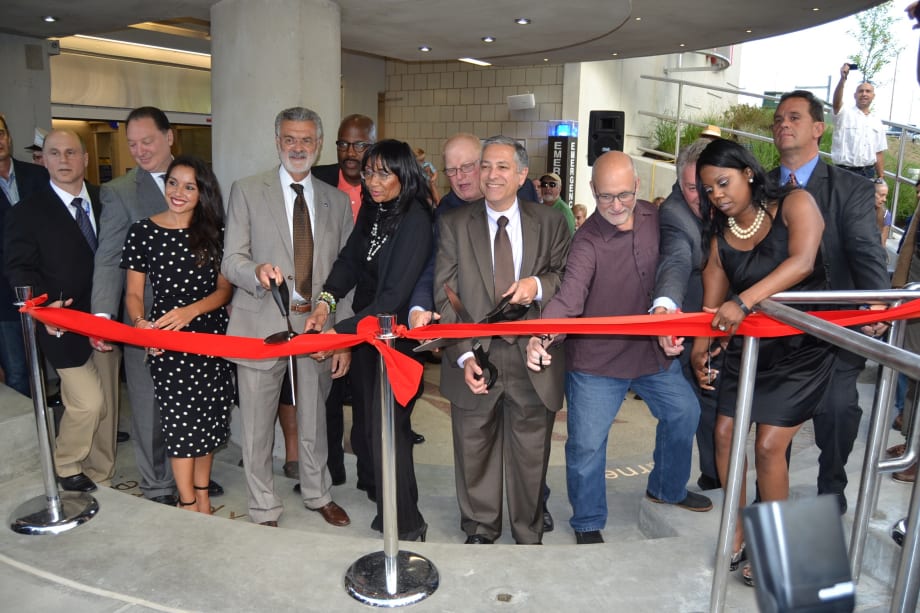
Photo: GCRTA
3 min to read
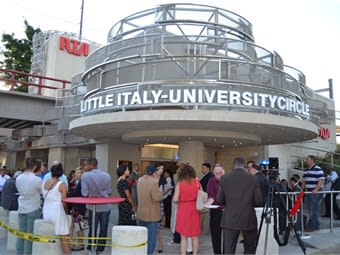
Photo: GCRTA
The Greater Cleveland Regional Transit Authority (RTA) unveiled its new $17.5 million Little Italy-University Circle Station during a ribbon-cutting ceremony on August 11.
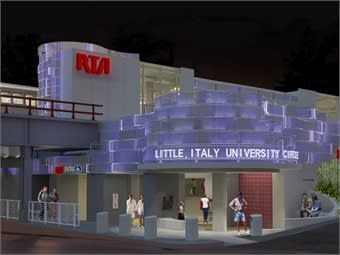
The new Red Line station, located on Mayfield Road at East 119th Street, replaces an old and functionally obsolete facility at Euclid Avenue and East 120th Street – about 0.3 miles away. This is RTA’s first new Red Line station in 46 years.
The opening came just in time for the more than 100,000 visitors who attended the annual Feast of the Assumption Festival in the historic Little Italy neighborhood Aug. 13-17.
Rendering courtesy: GCRTA
“The impact of this new rail station on the neighborhood has been large, positive and immediate. Located in the heart of Little Italy, the station significantly alleviated a long-term major parking issue, and attracted even more people to this great annual event,” said RTA CEO/GM Joe Calabrese.
Although there is no designated parking at the station, it is an easy walk to residential areas, merchants and restaurants located in this historic neighborhood. A growing housing market is nearby for professionals who live in University Circle, as well as the flourishing Uptown development, which stretches along Euclid Avenue, between Mayfield Road and East 117th Street.
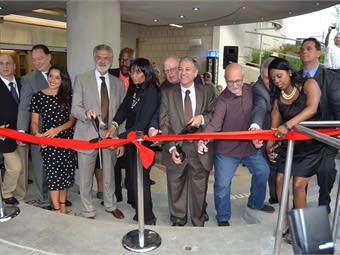
Photo: GCRTA
Talk of a new station began in 2008, when local institutions helped with a study on transit-oriented development in the area. Included were: the Cleveland Foundation, the Northeast Ohio Areawide Coordinating Agency (NOACA), Little Italy, University Hospitals, the Cleveland Clinic, Case Western Reserve University and University Circle Inc.
“The opening of the Little Italy-University Circle Red Line Station is incredibly exciting for University Circle. A connector between University Circle, Little Italy, Downtown and the Cleveland Hopkins International Airport, this new station will improve transit access to our neighborhood and is an important step towards building University Circle as a complete neighborhood,” said Chris Ronayne, president, University Circle Inc.
That neighborhood includes the Cleveland Museum of Art, Severance Hall (home of the Cleveland Orchestra), Case Western Reserve University, University Hospitals, and the nearby Cleveland Clinic.
“The Federal Transit Administration is proud to partner with the RTA to bring a new transit station to this vibrant neighborhood,” said Therese McMillan, Acting Administrator for the FTA, which contributed $12.5 million in federal funding for the project.
“In Cleveland, and across America, investments like this one are helping to revitalize neighborhoods, spur new development and offer residents an attractive and convenient travel option for getting to work, school and other important destinations,” McMillan said.
The station includes:
A single platform headhouse and entrance plaza that are ADA-accessible.
A heavy-duty elevator and stairway from the street level to the platform and waiting areas.
New concrete sidewalks, landscaping, lighting and bridge abutment repairs.
Rehabilitation of two transit track bridges.
Reuse of old vault under the railroad bridges as the lobby area. The vault was built in the 1920s as a potential commuter rail station by the Van Sweringen brothers, who built the Terminal Tower and the Shaker Rapid.
Artistic lighting of the bridges lead ing to the station.
Installation of a terrazzo flooring with a leaf pattern design by local artist Susie Frazier.
Chandelier sculpture elements in the headhouse designed by artist Jennifer Cecere.
Italian poetry engraved into the lobby steps by artist Gabriella Mileti.
Construction began on the Little Italy-University Circle Station in October 2013. The station was designed by City Architecture, and the construction contractor was McTech Corp.
On hand at the ceremony were Valarie J. McCall, RTA Board Member, APTA Vice Chair, APTA Chair of the Transit Board Members Committee, and Cleveland’s Chief of Government & International Affairs; Sony Nardi, RTA Board Member; Joe Calabrese, RTA CEO/GM; Cleveland Mayor Frank G. Jackson.
More details can be found at RTA’s Little Italy page at: http://www.riderta.com/majorprojects/littleitalyuc.
More Rail
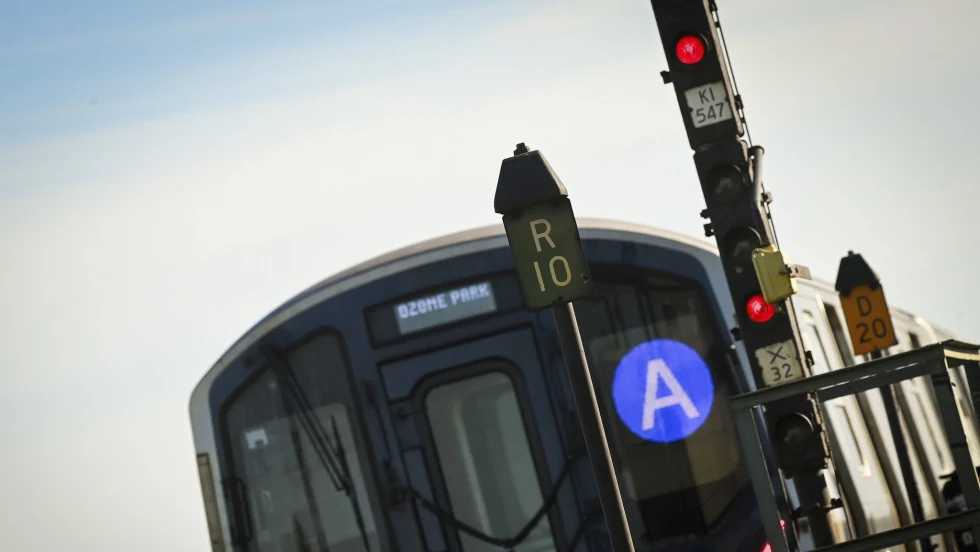
New York MTA Launches Historic $1.9B Signal, Track Modernization Project
Funded in part by congestion pricing revenue, the project will replace nearly century-old signals along the A and C lines in Brooklyn and Queens.
Read More →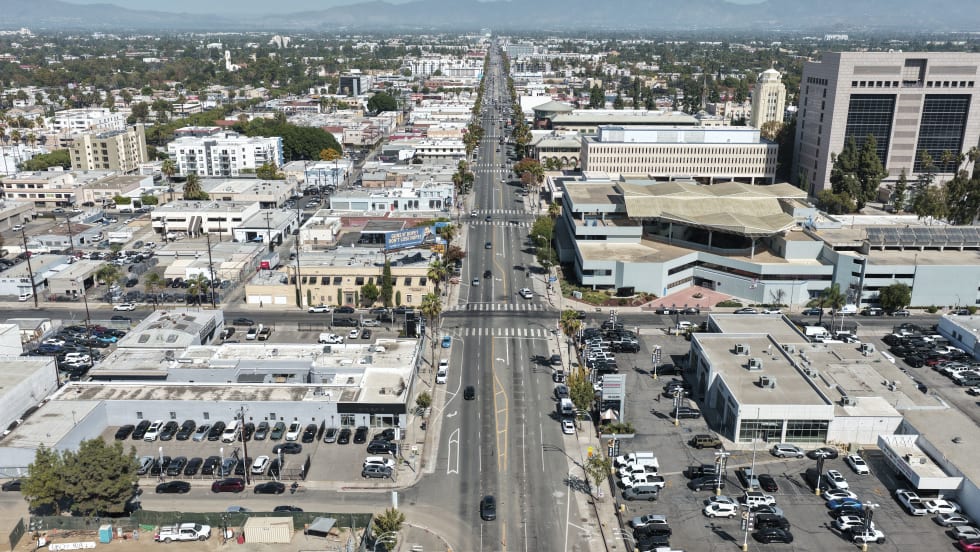
LA Metro Breaks Ground on East San Fernando Valley Light Rail Project
The 6.7-mile line will add 11 stations along Van Nuys Boulevard, expand access to jobs and regional transit connections, and support Metro’s broader efforts to improve mobility as rail ridership grows.
Read More →
CSA Group Releases Climate Resilience Standard for Transit, Passenger Rail
Developed with support from the Standards Council of Canada, CSA D700 guides assessing climate-related risks and planning adaptation measures for transit and passenger rail systems.
Read More →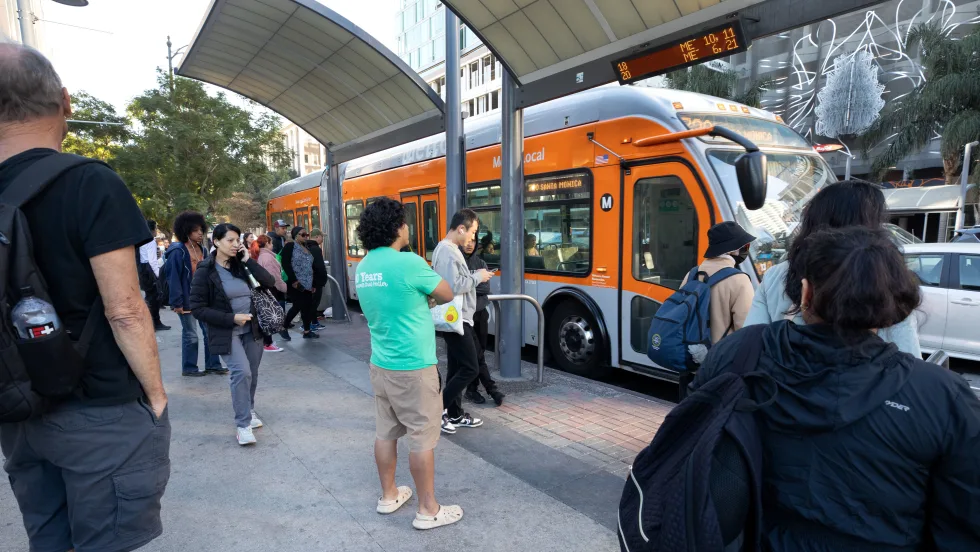
LA Metro September Ridership Climbs 3.9%, Led by Rail Growth
The agency recorded more than 27.2 million boardings, with rail ridership increasing 12.4% year over year and the D Line posting the largest gains.
Read More →
First Full MetroLink Rail Expansion Completed in 20 Years with $192M Airport Project
The project links two St. Louis-area airports by light rail while adding roadway and bike trail connections to improve regional access and mobility.
Read More →
Utilimarc Launches SmartReplace to Optimize Fleet Replacement Decisions
AI-powered SmartReplace helps fleets prioritize vehicle replacements, model budget scenarios, and build more defensible long-term strategies.
Read More →
Scenes from APTA TRANSform & EXPO 2026
Transit leaders, manufacturers, and industry professionals gathered in Chicago to explore new technologies, share ideas, and discuss the future of public transportation.
Read More →
USDOT Awards $416 Million for Florida Rail Crossing Safety Upgrades, New Brightline Station
The projects aim to reduce risks for motorists and pedestrians at rail crossings while expanding passenger rail access along Florida’s Space Coast.
Read More →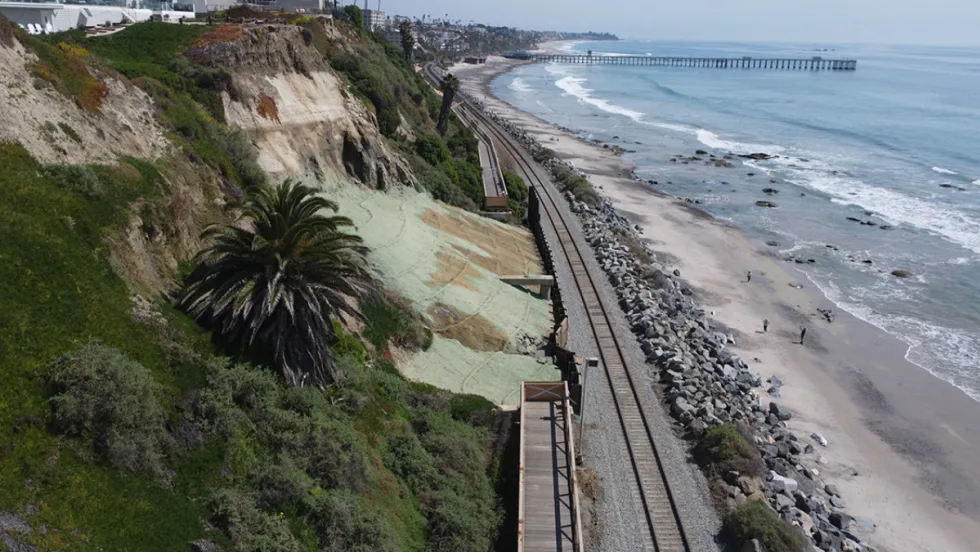
OCTA Declares Emergency to Protect Rail Corridor From Coastal Erosion
The California agency is accelerating shoreline protection and plans to place approximately 690,000 cubic yards of sand along the San Clemente coast to protect a key passenger and freight rail link.
Read More →
More Than a Summer Job: Building the Next Generation of Transit Talent
The Delaware River Port Authority and PATCO have transformed their internship program into a hands-on professional development experience that introduces students to the breadth of transportation careers — and creates a pipeline for future employees.
Read More →