



KC Streetcar, KCATA team for regional transit support, services
As part of this partnership, the KCATA will provide important services to KC Streetcar operations, including inclusion of KC Streetcar into KCATA regional radio operations, inclusion of KC Streetcar in KCATA’s Regional Call Center Passenger Information Hotline and federally-required ADA complementary paratransit service.

The Kansas City Streetcar Authority (KCSA) recently entered into a cooperative partnership with the KC Area Transportation Authority (KCATA) and the City of Kansas City, Mo. (KCMO) for streetcar related support and services.
At the August meeting of the KC Streetcar Authority Board of Directors, Tom Gerend, executive director of the authority, and Joe Reardon, CEO/president of the KCATA, briefed the KCSA on the plan for shared services.
“Today’s announcement for shared services reinforces our strong partnership with the KCATA and our desire to maximize the efficiency of streetcar operations while helping to support the advancement of a seamless, world-class regional transit system,” said Tom Gerend, executive director of the KC Streetcar Authority.
As part of this partnership, the KCATA will provide important services to KC Streetcar operations, including:
Inclusion of KC Streetcar into KCATA regional radio operations.
Inclusion of KC Streetcar in KCATA’s Regional Call Center Passenger Information Hotline.
Federally-required ADA complementary paratransit service.
On-request safety oversight assistance.
On-request bus bridge services.
On-request technical and operations support services.
Once the streetcars are operational, the KCATA will provide streetcar schedule and arrival information to callers through their Regional Call Center. This information will also be displayed on the real-time arrival signs and digital kiosks located at a majority of the downtown streetcar stops.
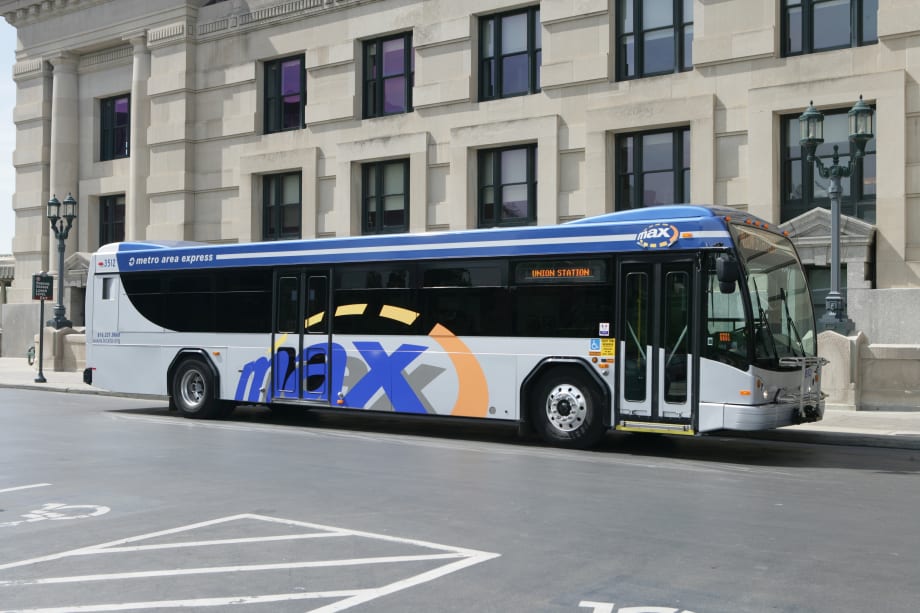
The KCATA will also provide paratransit service, otherwise known as “Share-A-Fare” service, for eligible riders in the streetcar service area that can’t independently use the streetcar system because of a disability. In the event that streetcar service is interrupted for an extended period of time, the KCATA, in coordination with the KCSA, will employ bus bridge services in order to transport riders to their destinations.
“The streetcar is a significant addition to the transit landscape in the Kansas City region,” said KCATA President/CEO Joe Reardon "This cooperative agreement furthers our efforts to enter into strong partnerships to provide a more seamless, enhanced and multimodal transit system for residents throughout Kansas City. We are excited to work with KC Streetcar and share our expertise and skills to the support the streetcar operation."
This cooperative agreement is the next step in an already established partnership for a cohesive and efficient regional transit system. In November 2014, RideKC was born, the new Greater Kansas City Transit brand, which includes both the KCATA and the KC Streetcar. It’s under this partnership with other transit-related agencies that a regional brand was created to unify our transit system and serve as an umbrella for all modes of transportation operating in the greater Kansas City area.
More Rail

New York MTA Advances Final Contract for Second Avenue Subway Expansion
Contract Four is the largest in the Second Avenue Subway Phase 2 project and includes construction of station infrastructure, tracks, and signals for the subway expansion, MTA officials said. Work on Contract Four will begin in 2027.
Read More →
San Diego MTS Breaks Monthly Trolley Ridership Record
Agency officials said July’s ridership indicates MTS’s continued recovery from the pandemic.
Read More →
Report Examines NJ TRANSIT Reliability, Funding Challenges
The Garden State Initiative analysis examines the roles of Amtrak infrastructure, fleet management, and agency operations while recommending a more performance-based approach to improving reliability.
Read More →
Stadler, CapMetro Sign Long-Term Rail Fleet Support Agreement
Beginning in 2027, Stadler will provide on-site technical expertise, spare parts support, training, and obsolescence management to help extend the reliability and longevity of CapMetro’s GTW fleet.
Read More →
Biz Briefs: Alstom Lands Canadian Contract, LYT to Supply California TSP, and More
In METRO's latest installment, we take a look at recent news from Complete Coach Works, Beep, FlixBus, and more partnerships making headlines across the transportation sector.
Read More →
CATS Gold Line Marks 5 Years of Service, 2.8M Passenger Trips
With a six-mile expansion planned, the Charlotte streetcar is positioned to connect more neighborhoods and major transit hubs across the region.
Read More →
Why Simulating Pedestrian Movement Has Become Essential for Modern Rail Stations
Pedestrian microsimulation is helping rail planners identify bottlenecks, test station designs, and prepare complex transit hubs for growing passenger volumes.
Read More →
Amtrak Begins Major Construction at New York’s Sunnyside Yard
The new maintenance facility will support Amtrak’s Airo trainsets while improving maintenance efficiency and turnaround times in New York.
Read More →
Chicago Leaders Unveil Plans for O’Hare Airport Express Train
The privately developed project would offer a 15-minute trip between downtown and O’Hare’s Terminal 2, with trains operating every 15 minutes on a dedicated track. The service would use battery-electric trains and three existing freight rail rights-of-way.
Read More →
OCTA Maps Out 30-Year Strategy to Protect Coastal Rail Corridor
The draft feasibility report identifies strategies to protect the coastal rail line for decades as the agency continues near-term stabilization and sand placement efforts.
Read More →