



Two-thirds of Americans likely to use HSR if available, survey says
The likelihood of respondents using high-speed rail for their work and leisure travel increases as they were informed that it will be less expensive than flying and that it will take less time than driving to their destination.

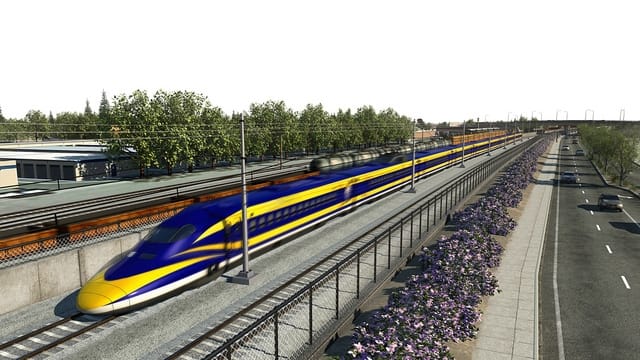
CHSRA

If high-speed rail were available today, two-thirds (63%) of Americans are likely to use high-speed trains and this jumps to nearly seventy percent (67%) when respondents were informed of the costs and time saving benefits of high-speed rail service, according to a 2015 survey released by the American Public Transportation Association (APTA).
"People want high-speed rail in America and we are seeing support among various ages and in different regions of the country regardless of political party," said APTA President/ CEO Michael Melaniphy. "In addition, the millennial generation and younger adults will lead the way with their preferences to have a multi-modal transportation system that supports their lifestyle. It is critical that we include implementation of high-speed rail as we look to plan for the nation's future transportation needs."
In the survey "High-Speed Rail in America 2015", conducted by TechnoMetrica for APTA, the likelihood of respondents using high-speed rail for their work and leisure travel increases as they were informed that it will be less expensive than flying and that it will take less time than driving to their destination. When told of these cost and time saving benefits, Millennials and young people (18 - 44) strong likelihood of use at 71% jumps to 76%. Those respondents who identify as Republican represent the largest growth of intended use, their likelihood of using high-speed rail increases from 58 to 65%, followed by Independents, 61 to 67%, and Democrats' already strong likelihood of use goes from 73 to 75% when informed of the savings of time and costs.
"A high-speed rail network will have a tremendous benefit to our entire transportation system," said Melaniphy. "It will enable America's air, rail, bus, ferry and highway systems to each function effectively and efficiently as we face a dramatic population growth that adds more travelers than our current capacity can accommodate."
The survey also revealed that Americans overwhelmingly support efforts to streamline government regulations that will promote real-estate development near high-speed rail. This development could include amenities such as popular retail shops, walkable neighborhoods, and unique dining experiences. Overall, nearly three quarters of respondents (71%) support reducing regulations so that amenities can be built near high-speed rail stations.
"High-speed rail not only provides a great transportation option, but the public's interest in amenities near high-speed rail stations is another way to create economic growth and jobs in local communities across the country," said Melaniphy. "If we have strong investment in high-speed rail, it will be an opportunity to generate real-estate and land use income for the private sector as well as local tax revenue for communities for decades to come."
High-Speed Rail in America 2015 survey was conducted by Techno Metrica for APTA. The survey includes 1,005 interviews using random digit dial sample of both landline and cell phone numbers. At the 95% confidence level, the margin of error for the respondents' overall sample is +/-3.2 percentage points.
More Rail
OKC Streetcar Makes Zero-Fare Service Permanent
Ridership increased an average of 71% compared with the same period a year earlier during the fare-free pilot.
Read More →
DART Customer Satisfaction Reaches Six-Year High
Overall satisfaction rose to 74.9%, while the agency’s Net Promoter Score reached a record 33.7.
Read More →
How DART's GoPass Is Redefining Regional Mobility
Serving 14 transit agencies, GoPass simplifies multimodal travel by allowing riders to plan, pay for, and manage an entire trip through one app.
Read More →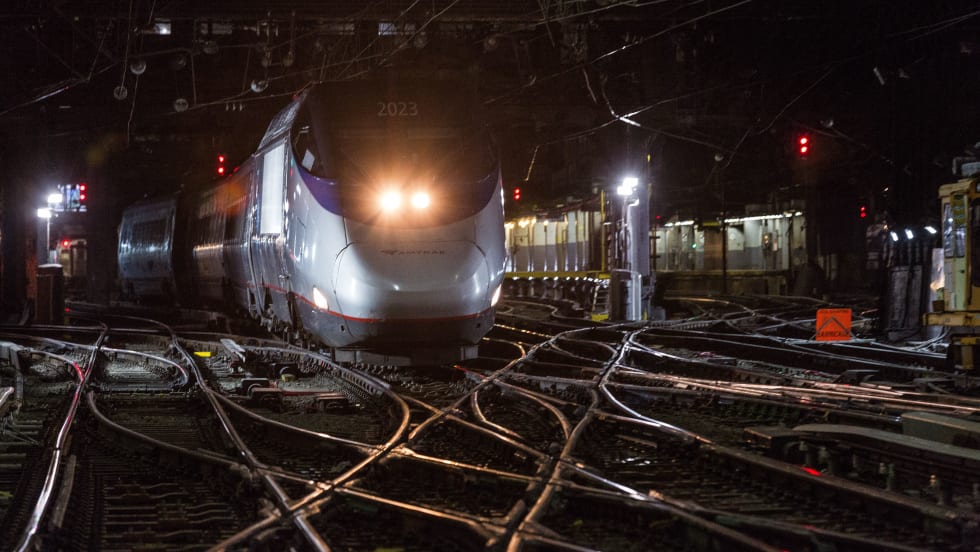
Amtrak Board Advances Plan to Restructure Organization, Seeks Public Input
The proposal, developed by Amtrak management and approved by the board for further consideration, is intended to modernize the organization's structure while improving accountability, operational efficiency, and customer service.
Read More →
Biz Briefs: STV teams with Amtrak, Motorcoach Operators Boost Fleet and Land Contracts, and More
From manufacturers and suppliers to transit agencies and motorcoach operators, these updates offer a snapshot of the projects, partnerships and business moves driving the industry forward.
Read More →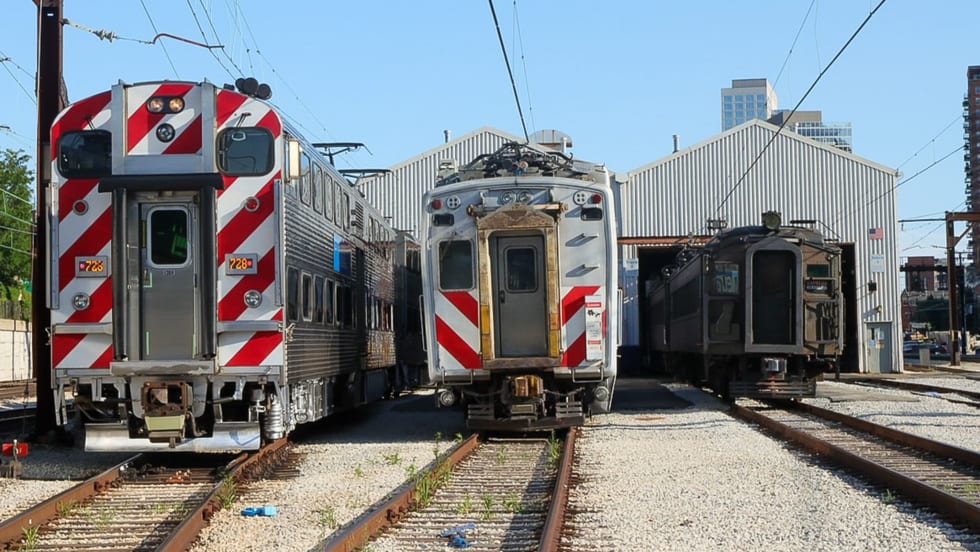
Metra Celebrates 100 Years of Electric Rail, Looks to the Future
The event was also a celebration of recent reforms to public transportation in the Chicago area, changes that could be as transformative in the future as the major civic achievement a century ago, said officials.
Read More →
LA Metro Marks Banner Year, Sets Ambitious Goals for New Fiscal Year
Incoming LA Metro Board Chair and Los Angeles Mayor Karen Bass joined outgoing Board Chair Fernando Dutra and LA Metro CEO Stephanie Wiggins to review accomplishments from fiscal year 2026, which included the opening of new rail extensions, advancement of major transit projects, expanded safety programs, and new rider amenities.
Read More →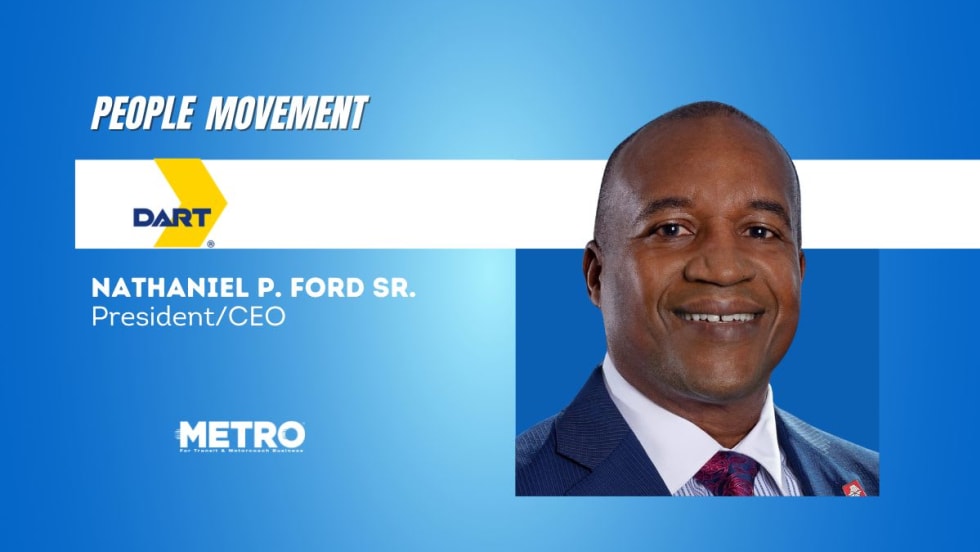
DART Taps Nathaniel P. Ford Sr. as Next President/CEO
Since 2012, Ford has served as the CEO of the Jacksonville Transportation Authority
Read More →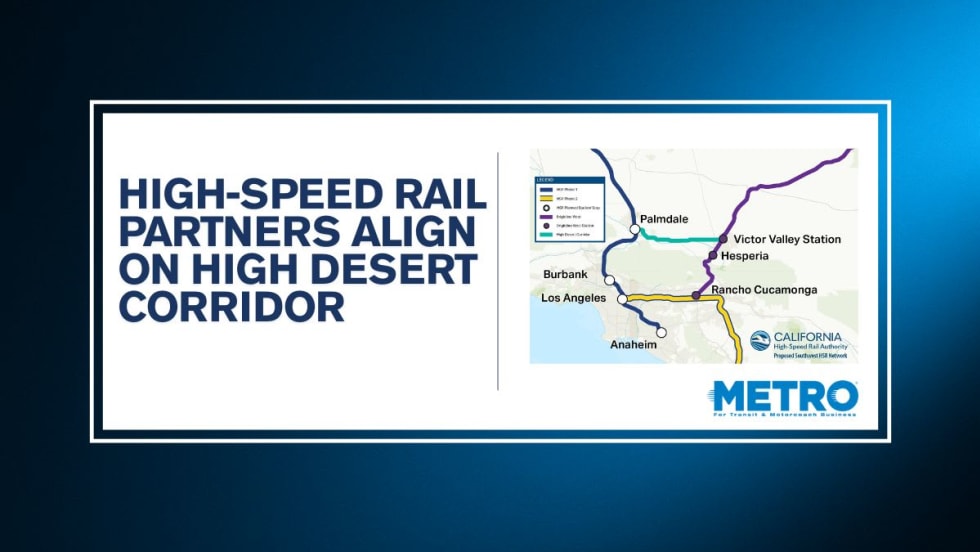
California High-Speed Rail Authority Signs MOU to Advance High Desert Corridor
The agreement deepens collaboration between the California High-Speed Rail Authority and the High Desert Corridor Joint Powers Agency, supporting design integration, cost savings, and faster delivery of a key Southern California rail link.
Read More →
Building the Next Generation of Transit Technology
In this edition of METROspectives, Luminator CEO Magnus Friberg discusses the company's transformation, the growing role of AI and software, and what's next for transit technology.
Read More →