



Metra cancels 367 railcar RFP
The agency does anticipate, however, picking up a Virginia Railway Express option to purchase 21 railcars from Japanese rolling stock manufacturer Nippon Sharyo at an estimated cost of $2.5 million per car.

Brian Moore
Brian Moore
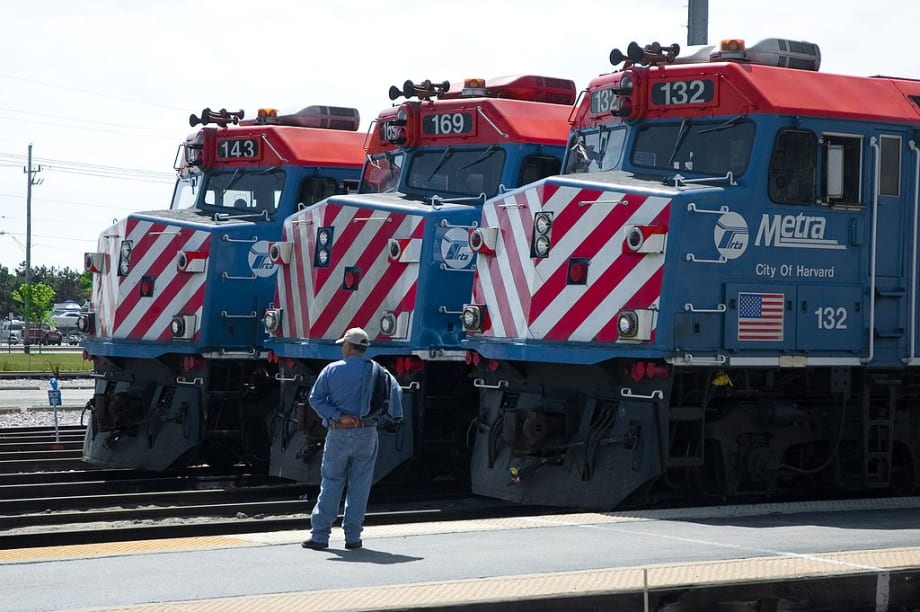
Chicago Metra announced that due to changes in the availability of capital to fund its $2.4 billion modernization plan and promising new alternatives, the agency is temporarily suspending its current search for a vendor to build 367 new railcars.
Metra has identified modernization of rolling stock as one of its highest capital priorities due to the age of its fleet and the fact that the condition of cars and locomotives is so essential to providing high-quality, reliable and comfortable service.
Metra anticipates being able to acquire some of the 367 new cars sooner than expected and at a substantial savings. Metra’s peer railroad Virginia Railway Express (VRE) has a remaining option to purchase 21 railcars from Japanese rolling stock manufacturer Nippon Sharyo at an estimated cost of $2.5 million per car. Because VRE uses the same type of railcars as Metra, the agency recently reached out to VRE about acquiring this option, since VRE may no longer need its full order.
The cost of the entire Metra purchase of 367 new railcars had been estimated at approximately $1.2 billion or $3.3 million per railcar. This is $800,000 more per car than the expected cost of each VRE car. If Metra is able to acquire the railcar option from VRE, it could result in savings of approximately $17 million, with delivery of the first set of new railcars in early 2018.
“The most important thing we can do right now is be flexible and creative in our efforts so that we can continue to achieve what we set out to do — invest in infrastructure and enhance service and reliability for the benefit of our customers,” said Metra Chairman Martin J. Oberman.
The projected availability of capital funding for the entire purchase has changed since Metra’s modernization plan was first proposed. The fact that the state of Illinois has put on hold more than $300 million in funding that had been previously budgeted in Metra’s capital program is likely to result in the need to spread out over a longer period of time the acquisition of the remaining 346 cars and the planned acquisition of new locomotives.
To overcome this problem and meet the need to update its fleet, Metra is aggressively investigating whether it can acquire and rehabilitate a number of later model cars from other commuter railroads that may no longer have a need for them. This approach may well result in lowering the need for as many new cars, while providing upgraded and completely renovated cars for Metra’s customers at a lower overall cost.
More Rail
Amtrak, CN Reach Agreements to Strengthen Passenger Rail Service, Safety
The agreement resolves a more than decade-long proceeding before the Surface Transportation Board concerning the terms and conditions for Amtrak services, such as the City of New Orleans, Illini/Saluki, and Wolverine.
Read More →
New York MTA Advances Final Contract for Second Avenue Subway Expansion
Contract Four is the largest in the Second Avenue Subway Phase 2 project and includes construction of station infrastructure, tracks, and signals for the subway expansion, MTA officials said. Work on Contract Four will begin in 2027.
Read More →
San Diego MTS Breaks Monthly Trolley Ridership Record
Agency officials said July’s ridership indicates MTS’s continued recovery from the pandemic.
Read More →
Report Examines NJ TRANSIT Reliability, Funding Challenges
The Garden State Initiative analysis examines the roles of Amtrak infrastructure, fleet management, and agency operations while recommending a more performance-based approach to improving reliability.
Read More →
Stadler, CapMetro Sign Long-Term Rail Fleet Support Agreement
Beginning in 2027, Stadler will provide on-site technical expertise, spare parts support, training, and obsolescence management to help extend the reliability and longevity of CapMetro’s GTW fleet.
Read More →
Biz Briefs: Alstom Lands Canadian Contract, LYT to Supply California TSP, and More
In METRO's latest installment, we take a look at recent news from Complete Coach Works, Beep, FlixBus, and more partnerships making headlines across the transportation sector.
Read More →
CATS Gold Line Marks 5 Years of Service, 2.8M Passenger Trips
With a six-mile expansion planned, the Charlotte streetcar is positioned to connect more neighborhoods and major transit hubs across the region.
Read More →
Why Simulating Pedestrian Movement Has Become Essential for Modern Rail Stations
Pedestrian microsimulation is helping rail planners identify bottlenecks, test station designs, and prepare complex transit hubs for growing passenger volumes.
Read More →
Amtrak Begins Major Construction at New York’s Sunnyside Yard
The new maintenance facility will support Amtrak’s Airo trainsets while improving maintenance efficiency and turnaround times in New York.
Read More →
Chicago Leaders Unveil Plans for O’Hare Airport Express Train
The privately developed project would offer a 15-minute trip between downtown and O’Hare’s Terminal 2, with trains operating every 15 minutes on a dedicated track. The service would use battery-electric trains and three existing freight rail rights-of-way.
Read More →