



SmartDrive rail safety system deployed on Cincinnati streetcar
System captures collisions and identifies operating risks and compliance issues. When an issue occurs, event video is immediately offloaded and management is notified within minutes of an incident.
September 14, 2016

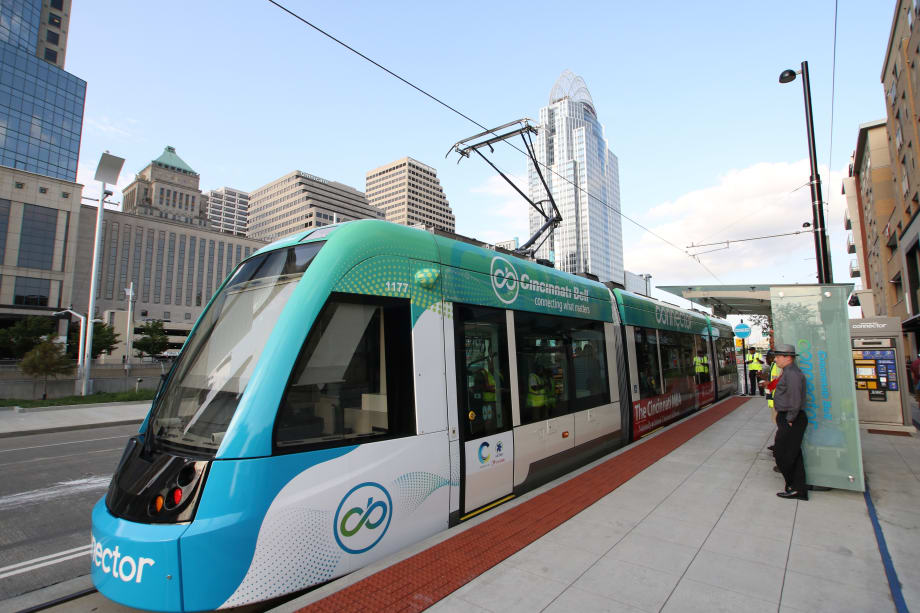
Photo: Cincinnati Bell Connector/Transdev
2 min to read
Photo: Cincinnati Bell Connector/Transdev
SmartDrive Systems, a provider of video-based safety solutions, announced that Transdev North America will deploy SmartDrive Rail on the Cincinnati Bell Connector streetcars, managed by the Southwest Ohio Regional Transit Authority.
Rail operators face an increasingly risky operating environment as cities become more congested. Streetcars face unique safety challenges because they often share the same roads as cars and trucks. With distractions on the rise for both pedestrians and drivers, transit agencies are exposed to significant risks in this mixed-use environment — particularly at crossings, intersections and other locations where motorists, rail cars, and those on foot are in close proximity.
Photo: Cincinnati Bell Connector/Transdev
SmartDrive is deployed across the Cincinnati Bell Connector streetcar fleet, which operates on a 3.6-mile loop and shares the road with other vehicles.
SmartDrive Rail captures collisions and identifies operating risks and compliance issues. When an issue occurs, event video is immediately offloaded and management is notified within minutes of an incident. The solution’s triggering capability integrates with rail-specific safety systems including positive train control, automatic train protection, and track brake systems. This enables SmartDrive Rail to understand when a vehicle is functioning outside normal parameters, capturing event video that is then reviewed and scored for risk by rail safety analysts. The video, along with the identified safety risks and other pertinent data, is prioritized for coaching and available through a web interface. SmartDrive Rail provides an end-to-end managed service, validating and scoring risk, prioritizing for the customers, and escalating to management in the event of a collision.
"Protecting operators, pedestrians and motorists has always been at the top of our priority list," said Ken Westbrook, president, Transdev Rail. "Within the first few weeks of deployment, SmartDrive has already provided immediate value-delivering better insight to the risks our operators face and supporting several incident investigations."
In June 2016, SmartDrive received a patent for its rail-triggering technology, and it has three additional patents pending for its SmartDrive Rail solution. SmartDrive Rail was released in spring 2015 and is also deployed at the Los Angeles County Metropolitan Transportation Authority (L.A. Metro), the second-largest transit agency in the U.S.
Since 2011, Transdev has deployed SmartDrive’s solution on over 7,000 vehicles across agencies nationwide.
More Rail
LA Metro Breaks Ground on East San Fernando Valley Light Rail Project
The 6.7-mile line will add 11 stations along Van Nuys Boulevard, expand access to jobs and regional transit connections, and support Metro’s broader efforts to improve mobility as rail ridership grows.
Read More →
CSA Group Releases Climate Resilience Standard for Transit, Passenger Rail
Developed with support from the Standards Council of Canada, CSA D700 guides assessing climate-related risks and planning adaptation measures for transit and passenger rail systems.
Read More →
LA Metro September Ridership Climbs 3.9%, Led by Rail Growth
The agency recorded more than 27.2 million boardings, with rail ridership increasing 12.4% year over year and the D Line posting the largest gains.
Read More →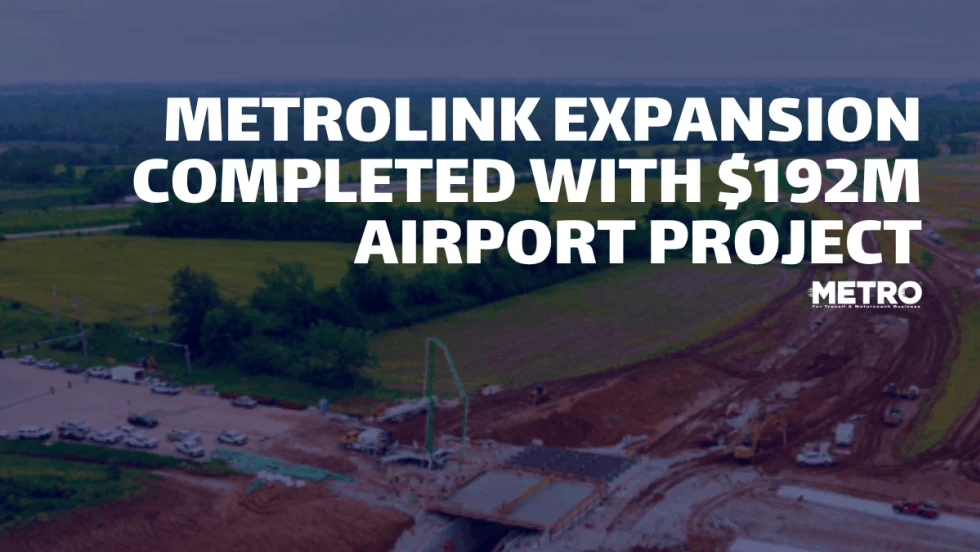
First Full MetroLink Rail Expansion Completed in 20 Years with $192M Airport Project
The project links two St. Louis-area airports by light rail while adding roadway and bike trail connections to improve regional access and mobility.
Read More →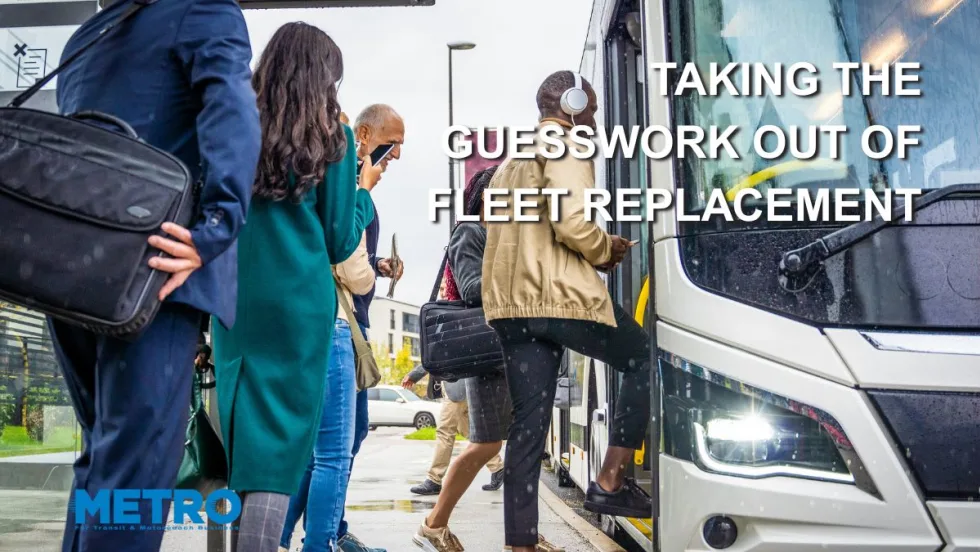
Utilimarc Launches SmartReplace to Optimize Fleet Replacement Decisions
AI-powered SmartReplace helps fleets prioritize vehicle replacements, model budget scenarios, and build more defensible long-term strategies.
Read More →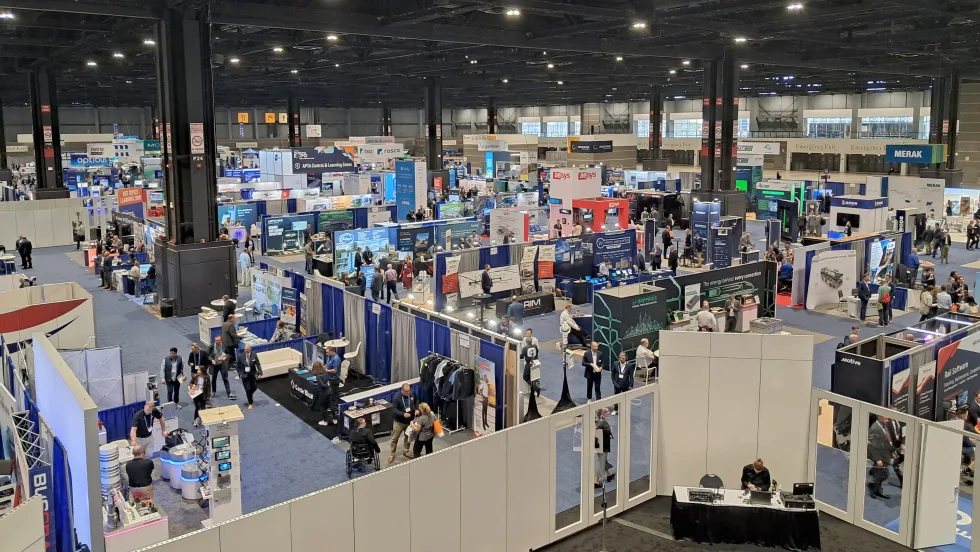
Scenes from APTA TRANSform & EXPO 2026
Transit leaders, manufacturers, and industry professionals gathered in Chicago to explore new technologies, share ideas, and discuss the future of public transportation.
Read More →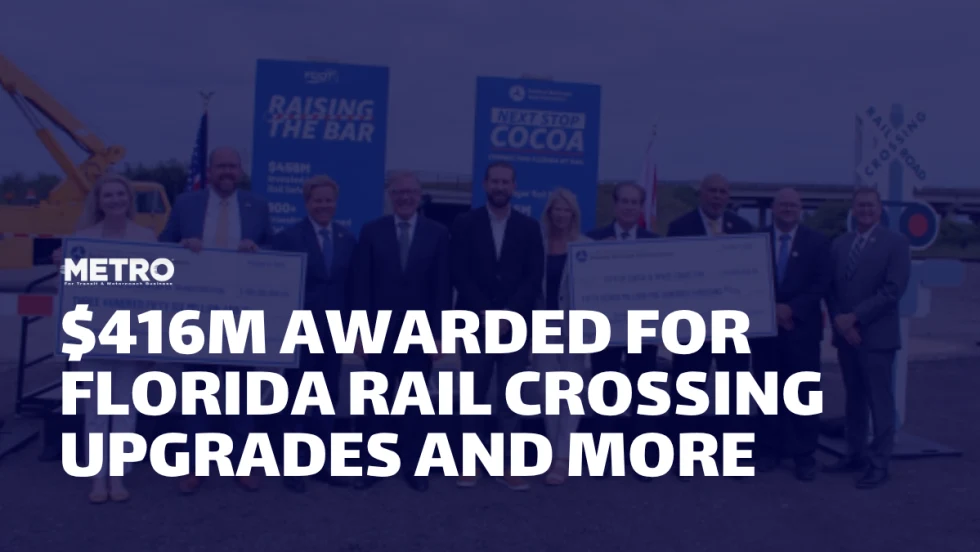
USDOT Awards $416 Million for Florida Rail Crossing Safety Upgrades, New Brightline Station
The projects aim to reduce risks for motorists and pedestrians at rail crossings while expanding passenger rail access along Florida’s Space Coast.
Read More →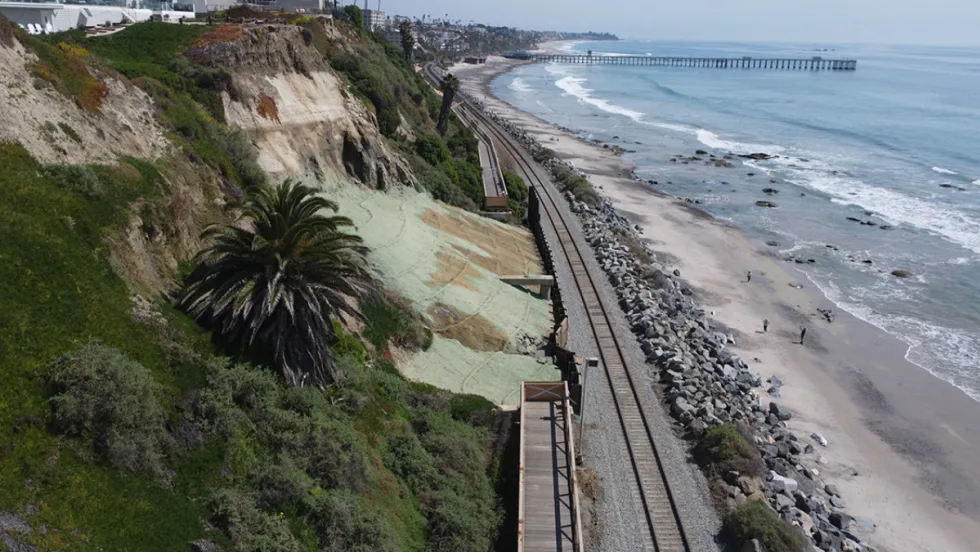
OCTA Declares Emergency to Protect Rail Corridor From Coastal Erosion
The California agency is accelerating shoreline protection and plans to place approximately 690,000 cubic yards of sand along the San Clemente coast to protect a key passenger and freight rail link.
Read More →
More Than a Summer Job: Building the Next Generation of Transit Talent
The Delaware River Port Authority and PATCO have transformed their internship program into a hands-on professional development experience that introduces students to the breadth of transportation careers — and creates a pipeline for future employees.
Read More →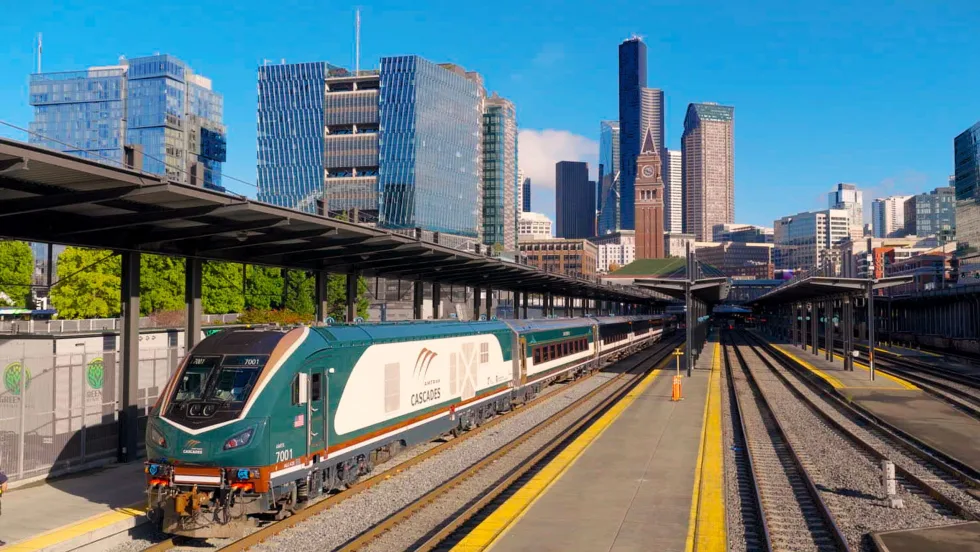
Airo Trains Make Their Amtrak Cascades Debut in the Pacific Northwest
Effective immediately, two cutting-edge Airo trainsets will join the Amtrak Cascades route, operating four daily trips between Vancouver, B.C., Seattle, Portland, and Eugene, Oregon, marking the first introduction of Airo trains into passenger service anywhere in the country.
Read More →