




RELATED: Area states, agencies set to pay more to maintain NEC
Plans to improve Northeast Corridor service unveiled
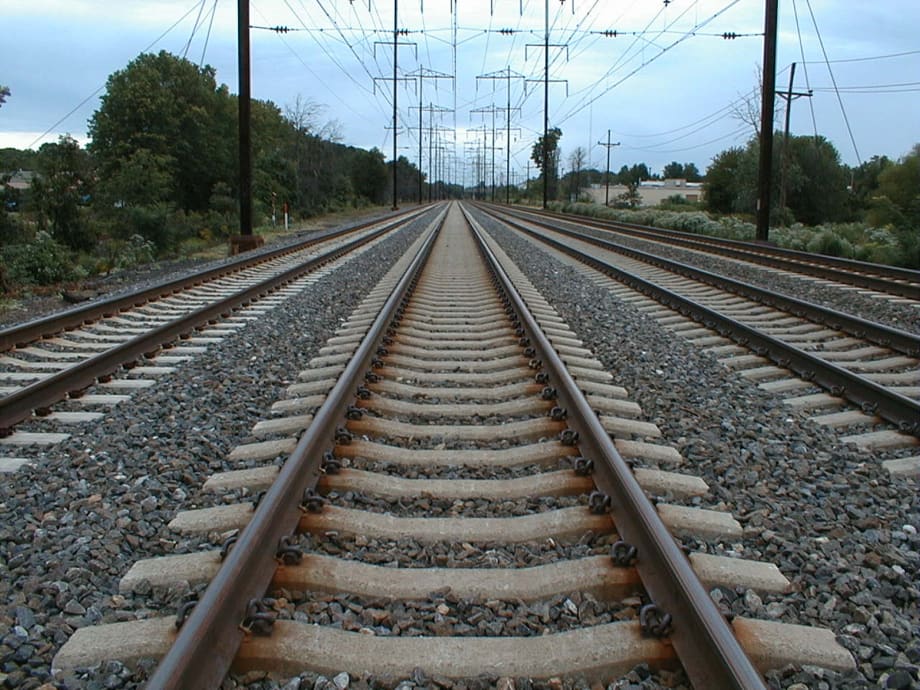
Recommendation's include adding new tracks to increase the Northeast Corridor to four tracks in most locations, which would allow for more frequent and faster service.
December 16, 2016
Amtrak
3 min to read
Amtrak
The Federal Railroad Administration (FRA) unveiled a vision to improve the Northeast Corridor (NEC) over the next 30 years.
In 2012, at the urging of Congress, all Northeast states and the FRA began working together to develop a plan that would help guide and coordinate planning and investments. For more than four years, and including numerous agency and public meetings, the Northeast states and FRA have engaged stakeholders about their ideas, hopes, recommendations, and concerns about the future of the NEC. The extensive outreach has included broad stakeholder engagement from individuals, elected leaders, civic organizations in small townships, and business leaders.
What quickly became clear, and was universally agreed, is that the corridor’s current capacity is vastly inadequate. Today’s NEC simply cannot meet the demands of today — or tomorrow.
The recommendation announced by the FRA would increase reliability and provide more options by:
Adding new tracks to increase the Northeast Corridor to four tracks in most locations, which would allow for more frequent and faster service. Additional tracks would be added to areas with greater demand.
Providing intercity access to Philadelphia Airport so that passengers do not have to change trains at 30th Street.
Adding direct and frequent service to Hartford, Conn., and Springfield, Mass.
Increasing, and in some cases doubling, the number of regional trains and providing up to five times more intercity trains.
The recommendation would improve travel times:
Travel from Boston to New York City would be 45 minutes faster (total time of 2 hours, 45 minutes).
Travel from New York City to Washington, D.C., would be 35 minutes faster (total time of 2 hours, 10 minutes).
While the recommendation made would grow the role of rail along the Northeast Corridor, it prioritizes bringing the current corridor back to good condition, or a state of good repair, first.
With the corridor returned to good condition, the recommendation includes projects that will allow for even faster and more reliable service, along with more options for commuters and travelers. The recommendation is also projected to create 47,000 jobs each year, for 30 years.
The FRA’s vision will now be up to states, cities, and railroads to take next steps and decide whether to move forward with any specific projects, according to the agency. Each individual project, just like any other infrastructure project in this country, will require more review and more environmental studies, as well as significant funding.
“In order to keep moving forward, we need a new vision for the Northeast Corridor — a corridor that can move an ever-increasing population safer, faster, and more reliably than before,” said FRA Administrator Sarah E. Feinberg. “We need a corridor that provides more options and more trains for commuters. One that allows for seamless travel between the nation’s capital and New York, and New York and Providence and Boston. A corridor that provides streamlined connections between a city’s airports and its city center. And a corridor that can efficiently and reliably serve a population that is growing quickly.”
FRA believes that today’s recommendation is a strong one and should move forward. To do that, it will require the business community, railroads, states, Congress, and the millions of people who use the NEC every day to make it clear that this is a necessary and worthy investment.
More Rail

New York MTA Advances Final Contract for Second Avenue Subway Expansion
Contract Four is the largest in the Second Avenue Subway Phase 2 project and includes construction of station infrastructure, tracks, and signals for the subway expansion, MTA officials said. Work on Contract Four will begin in 2027.
Read More →
San Diego MTS Breaks Monthly Trolley Ridership Record
Agency officials said July’s ridership indicates MTS’s continued recovery from the pandemic.
Read More →
Report Examines NJ TRANSIT Reliability, Funding Challenges
The Garden State Initiative analysis examines the roles of Amtrak infrastructure, fleet management, and agency operations while recommending a more performance-based approach to improving reliability.
Read More →
Stadler, CapMetro Sign Long-Term Rail Fleet Support Agreement
Beginning in 2027, Stadler will provide on-site technical expertise, spare parts support, training, and obsolescence management to help extend the reliability and longevity of CapMetro’s GTW fleet.
Read More →
Biz Briefs: Alstom Lands Canadian Contract, LYT to Supply California TSP, and More
In METRO's latest installment, we take a look at recent news from Complete Coach Works, Beep, FlixBus, and more partnerships making headlines across the transportation sector.
Read More →
CATS Gold Line Marks 5 Years of Service, 2.8M Passenger Trips
With a six-mile expansion planned, the Charlotte streetcar is positioned to connect more neighborhoods and major transit hubs across the region.
Read More →
Why Simulating Pedestrian Movement Has Become Essential for Modern Rail Stations
Pedestrian microsimulation is helping rail planners identify bottlenecks, test station designs, and prepare complex transit hubs for growing passenger volumes.
Read More →
Amtrak Begins Major Construction at New York’s Sunnyside Yard
The new maintenance facility will support Amtrak’s Airo trainsets while improving maintenance efficiency and turnaround times in New York.
Read More →
Chicago Leaders Unveil Plans for O’Hare Airport Express Train
The privately developed project would offer a 15-minute trip between downtown and O’Hare’s Terminal 2, with trains operating every 15 minutes on a dedicated track. The service would use battery-electric trains and three existing freight rail rights-of-way.
Read More →
OCTA Maps Out 30-Year Strategy to Protect Coastal Rail Corridor
The draft feasibility report identifies strategies to protect the coastal rail line for decades as the agency continues near-term stabilization and sand placement efforts.
Read More →