



Amtrak CEO calls for new era of infrastructure investment
Moorman outlined projects that warrant significant investment including construction of the Portal North Bridge and new Hudson Tunnels in New Jersey.

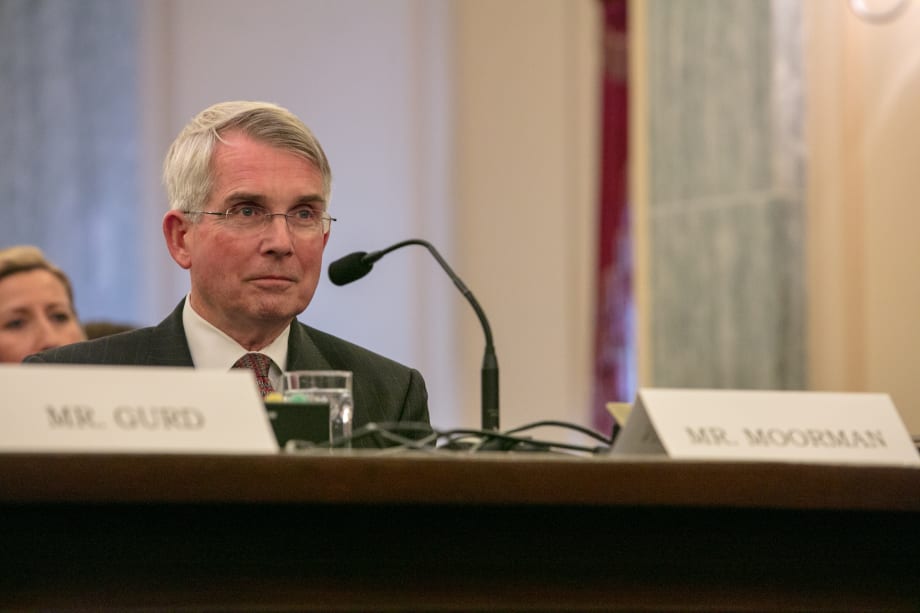
Photo: Amtrak
Photo: Amtrak
In a hearing before the Senate Subcommittee on Surface Transportation and Merchant Marine Infrastructure, Safety, and Security, Amtrak President/CEO Wick Moorman called for a new era of investment in Amtrak’s infrastructure, fleet, and stations, which are critical to the operations and future growth of passenger rail.
“The time is now to invest in our aging assets,” Moorman testified. “More than ever, our nation and the traveling public rely on Amtrak for mobility, but the future of Amtrak depends on whether we can renew the cars, locomotives, bridges, tunnels, stations, and other infrastructure that allows us to meet these growing demands.”
Moorman noted that in fiscal year 2016, Amtrak had record ridership of more than 31 million passengers and ticket revenues of $2.2 billion. “I’m certain that we can get even better by relentlessly improving our safety culture, modernizing and upgrading our products, and strengthening our operational efficiency and project delivery.” Moorman stressed that Amtrak’s job is to deliver the services and run the network that Congress and the Administration — the principal stakeholders — believe is worth the investment.
After 45 years of service, many of Amtrak’s assets are at the end of their useful life. For example, Amtrak’s Northeast Corridor, with 363 miles of Amtrak-owned infrastructure, is North America’s busiest railroad with 2,200 daily high-speed, commuter, and freight trains, but was largely built over 100 years ago.
Noting that Amtrak’s list of investment needs is long, but provides considerable benefits to the traveling public and the national economy, Moorman outlined projects that warrant significant investment including:
Construction of the Portal North Bridge and new Hudson Tunnels, both parts of the larger Gateway Program that will ensure that 450 daily Amtrak and NJ Transit trains can continue to serve New York City from the south.
Construction of new B&P Tunnel and Susquehanna Bridge in Maryland to expand service and improve trip-time.
Expansion and improvement of Chicago and Washington Union Stations to improve accessibility, expand capacity, spur local development and enhance safety.
Construction of fleet of new or rebuilt diesel locomotives to support Amtrak’s National Network.
Construction of track, signaling, and other improvements to remove chokepoints on our host railroads or restore service in key underserved markets, like along the Gulf Coast.
Additionally, Moorman emphasized the importance of the 21 states and various commuter agencies that Amtrak partners with to provide service on corridors across the country and on the Northeast Corridor. He noted that Amtrak is focused on identifying ways to work even more collaboratively with these states and agencies on the long list of important rolling stock, infrastructure, and funding needs.
Moorman urged Congress and the Administration to consider the many ways in which the Federal government can advance intercity passenger rail service through direct investments, public-private partnerships, and innovative financing, streamlining of the environmental review process and removal of red tape.
Moorman added that such rail infrastructure investments not only help Amtrak better serve passengers, but also stimulate job growth in construction, manufacturing, and professional services. Railcars, locomotives, steel, concrete, machinery, signals, and track are sourced from across the nation. “Investments in these sectors can help spur the rebirth of America’s passenger rail manufacturing and supply sector,” he concluded.
More Rail
Amtrak, CN Reach Agreements to Strengthen Passenger Rail Service, Safety
The agreement resolves a more than decade-long proceeding before the Surface Transportation Board concerning the terms and conditions for Amtrak services, such as the City of New Orleans, Illini/Saluki, and Wolverine.
Read More →
New York MTA Advances Final Contract for Second Avenue Subway Expansion
Contract Four is the largest in the Second Avenue Subway Phase 2 project and includes construction of station infrastructure, tracks, and signals for the subway expansion, MTA officials said. Work on Contract Four will begin in 2027.
Read More →
San Diego MTS Breaks Monthly Trolley Ridership Record
Agency officials said July’s ridership indicates MTS’s continued recovery from the pandemic.
Read More →
Report Examines NJ TRANSIT Reliability, Funding Challenges
The Garden State Initiative analysis examines the roles of Amtrak infrastructure, fleet management, and agency operations while recommending a more performance-based approach to improving reliability.
Read More →
Stadler, CapMetro Sign Long-Term Rail Fleet Support Agreement
Beginning in 2027, Stadler will provide on-site technical expertise, spare parts support, training, and obsolescence management to help extend the reliability and longevity of CapMetro’s GTW fleet.
Read More →
Biz Briefs: Alstom Lands Canadian Contract, LYT to Supply California TSP, and More
In METRO's latest installment, we take a look at recent news from Complete Coach Works, Beep, FlixBus, and more partnerships making headlines across the transportation sector.
Read More →
CATS Gold Line Marks 5 Years of Service, 2.8M Passenger Trips
With a six-mile expansion planned, the Charlotte streetcar is positioned to connect more neighborhoods and major transit hubs across the region.
Read More →
Why Simulating Pedestrian Movement Has Become Essential for Modern Rail Stations
Pedestrian microsimulation is helping rail planners identify bottlenecks, test station designs, and prepare complex transit hubs for growing passenger volumes.
Read More →
Amtrak Begins Major Construction at New York’s Sunnyside Yard
The new maintenance facility will support Amtrak’s Airo trainsets while improving maintenance efficiency and turnaround times in New York.
Read More →
Chicago Leaders Unveil Plans for O’Hare Airport Express Train
The privately developed project would offer a 15-minute trip between downtown and O’Hare’s Terminal 2, with trains operating every 15 minutes on a dedicated track. The service would use battery-electric trains and three existing freight rail rights-of-way.
Read More →