




RELATED: MTA adds Apple Pay, Masterpass to mobile ticket app
LIRR double-track project close to complete
The project utilizes Design-Build construction and a specialized New Track Construction machine that lays rail more than 10 times faster than the MTA has ever done before, saving more than $7 million in construction costs.
January 17, 2018
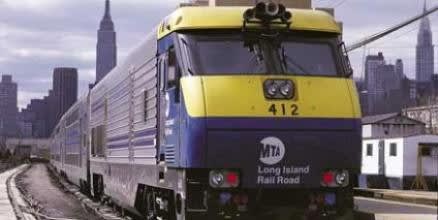
The new Double Track will enable the LIRR to provide more frequent off-peak service to the Ronkonkoma Branch in both directions, with off-peak service going from one train every hour to one train every 30 minutes in both directions.
MTA
4 min to read
The new Double Track will enable the LIRR to provide more frequent off-peak service to the Ronkonkoma Branch in both directions, with off-peak service going from one train every hour to one train every 30 minutes in both directions.
MTA
New York Gov. Andrew M. Cuomo announced the Long Island Rail Road (LIRR) Double Track reached a major milestone and the final five miles of rail being laid this month. The project utilizes Design-Build construction and a specialized New Track Construction machine that lays rail more than 10 times faster than the MTA has ever done before, saving more than $7 million in construction costs and allowing for an expected project completion of August 2018 — 16 months ahead of schedule. Once complete, the Double Track, extending from Farmingdale to Ronkonkoma, will dramatically reduce delays on the LIRR and enable more off-peak service in both directions by adding nearly 13 miles of parallel track.
While touring the Double Track, Gov. Cuomo also announced 24 LIRR projects totaling $1 billion — including the $121 million Hicksville Station Transformation and the new Wyandanch Station — will be completed in 2018. Twenty-one additional LIRR projects will break ground this year, including the $2 billion LIRR Expansion Project that will add a third track to 9.8 miles along the congested Main Line of the LIRR between Floral Park and Hicksville. Together, these projects significantly advance the Governor's $6.6 billion transformation and modernization of the Long Island commuter rail and $100 billion Infrastructure and Development Plan for New York.
"By pairing design-build contracting with the use of innovative track-laying equipment, we are building a more robust infrastructure faster and at less expense to New Yorkers,” said Gov. Cuomo. “This project, along with the 23 other commuter line projects we will complete this year, will ensure LIRR remains the backbone of the region's economy."
Double Track
The $387.2 million Double Track project, which is bringing a second track to single-track territory, has provided hundreds of construction jobs and, upon completion, will improve service and reliability on the LIRR's Ronkonkoma Branch, while spurring economic activity, and improving LIRR service to Long Island MacArthur Airport. Over the past 25 years, ridership on the Ronkonkoma Branch has doubled — growing in popularity since the line was electrified in 1988.
With just one track along most of the 18-mile route between Farmingdale and Ronkonkoma, the LIRR can operate only a limited number of trains and lacks operational flexibility in the event of a disruption. If one train becomes disabled, all other trains — coming from both east and west — have no way around the problem.
The new Double Track will enable the LIRR to provide more frequent off-peak service to the Ronkonkoma Branch in both directions, with off-peak service going from one train every hour to one train every 30 minutes in both directions. The project will reduce delays associated with service disruptions for the 48,000 weekday riders on the Ronkonkoma Line by giving the railroad flexibility to go around obstacles that it cannot currently in single-track territory.
The project has taken place over two phases. Phase One used the New Track Construction machine to lay the first 3.5 miles of new track between Central Islip and Ronkonkoma, and was completed in August 2016. Phase Two includes laying the rest of the track between Farmingdale and Central Islip. Over the next several months, crews will continue construction that includes stone ballast, tamping, surfacing, and installation of the third rail and new signal system.
New Track Construction Machine
The Double Track project marks the MTA's first-ever use of the New Track Construction machine, which is capable of laying one mile of track per day — more than ten times faster than the 500 feet of track per day that the MTA manually laid previously. By speeding up this process, the MTA is significantly improving productivity, increasing safety and reducing the potential of construction disruption to local communities.
The machine is pulled from the front end by a bulldozer along the route of the new track. It automatically handles the flow of materials, negating the use of overhead cranes for track construction. The machine's ability to bring in supplies by rail negates the need for trucking supplies in. The MTA plans to use the machine in future projects in response to the Governor's challenge to increase efficiency in its projects.
More Rail
CSA Group Releases Climate Resilience Standard for Transit, Passenger Rail
Developed with support from the Standards Council of Canada, CSA D700 guides assessing climate-related risks and planning adaptation measures for transit and passenger rail systems.
Read More →
LA Metro September Ridership Climbs 3.9%, Led by Rail Growth
The agency recorded more than 27.2 million boardings, with rail ridership increasing 12.4% year over year and the D Line posting the largest gains.
Read More →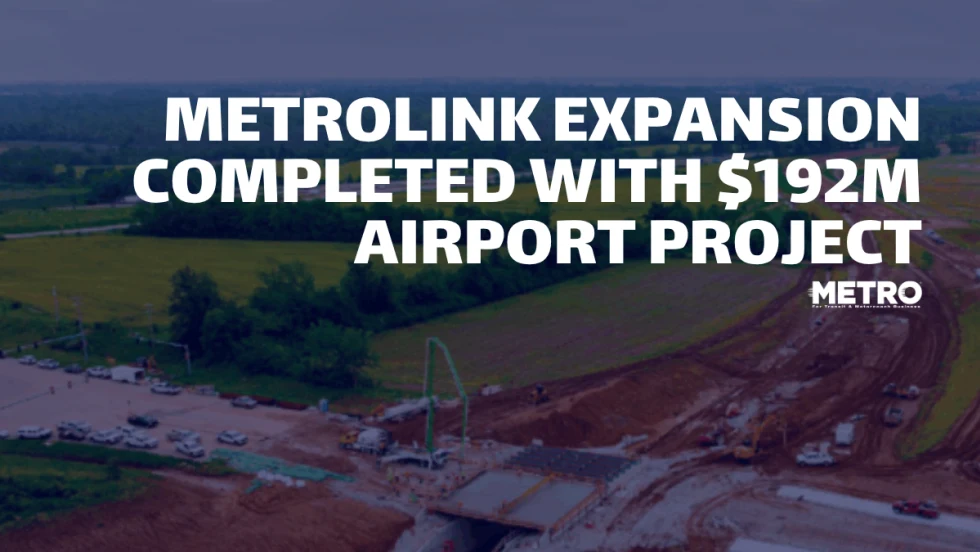
First Full MetroLink Rail Expansion Completed in 20 Years with $192M Airport Project
The project links two St. Louis-area airports by light rail while adding roadway and bike trail connections to improve regional access and mobility.
Read More →
Utilimarc Launches SmartReplace to Optimize Fleet Replacement Decisions
AI-powered SmartReplace helps fleets prioritize vehicle replacements, model budget scenarios, and build more defensible long-term strategies.
Read More →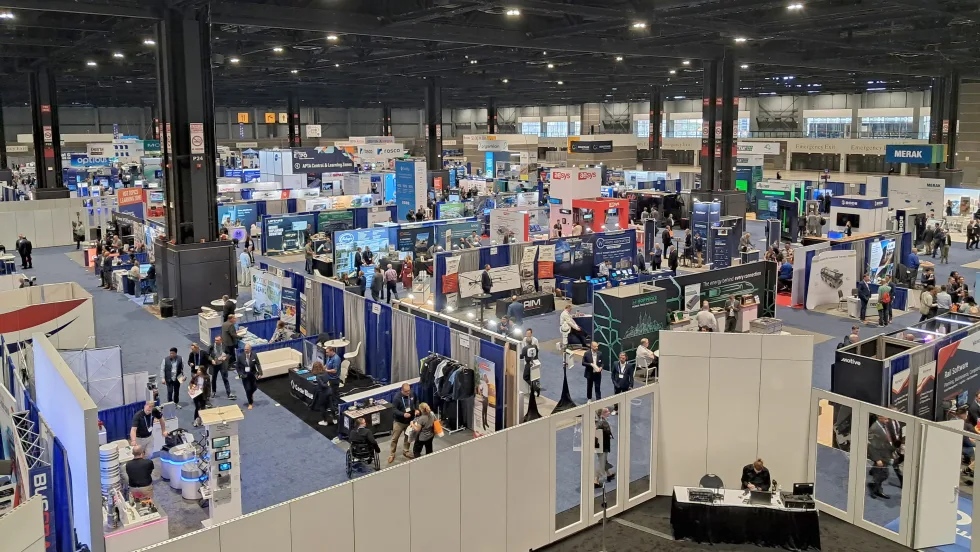
Scenes from APTA TRANSform & EXPO 2026
Transit leaders, manufacturers, and industry professionals gathered in Chicago to explore new technologies, share ideas, and discuss the future of public transportation.
Read More →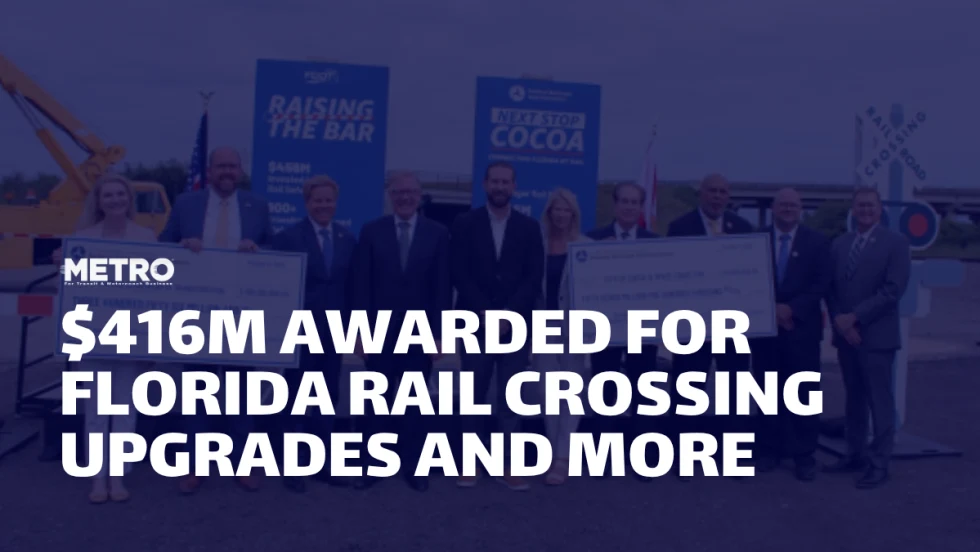
USDOT Awards $416 Million for Florida Rail Crossing Safety Upgrades, New Brightline Station
The projects aim to reduce risks for motorists and pedestrians at rail crossings while expanding passenger rail access along Florida’s Space Coast.
Read More →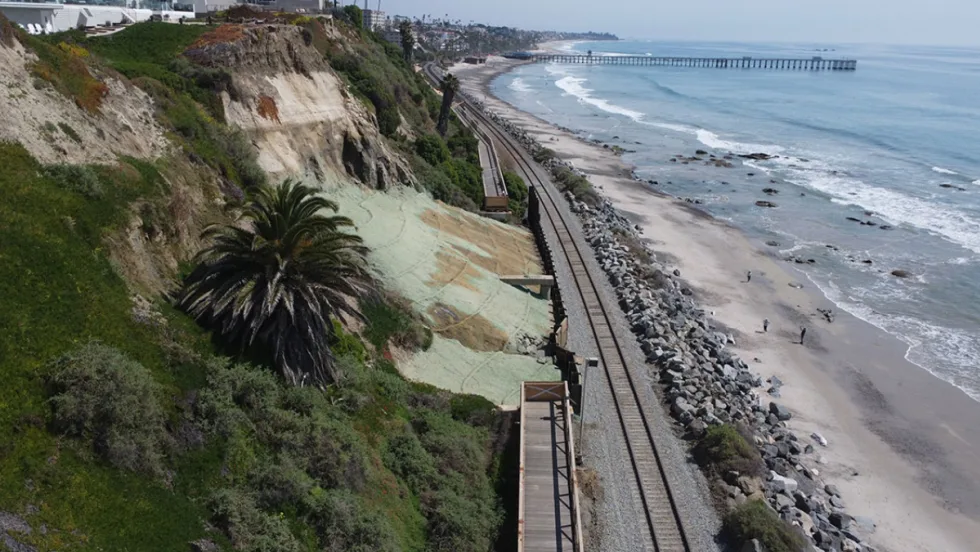
OCTA Declares Emergency to Protect Rail Corridor From Coastal Erosion
The California agency is accelerating shoreline protection and plans to place approximately 690,000 cubic yards of sand along the San Clemente coast to protect a key passenger and freight rail link.
Read More →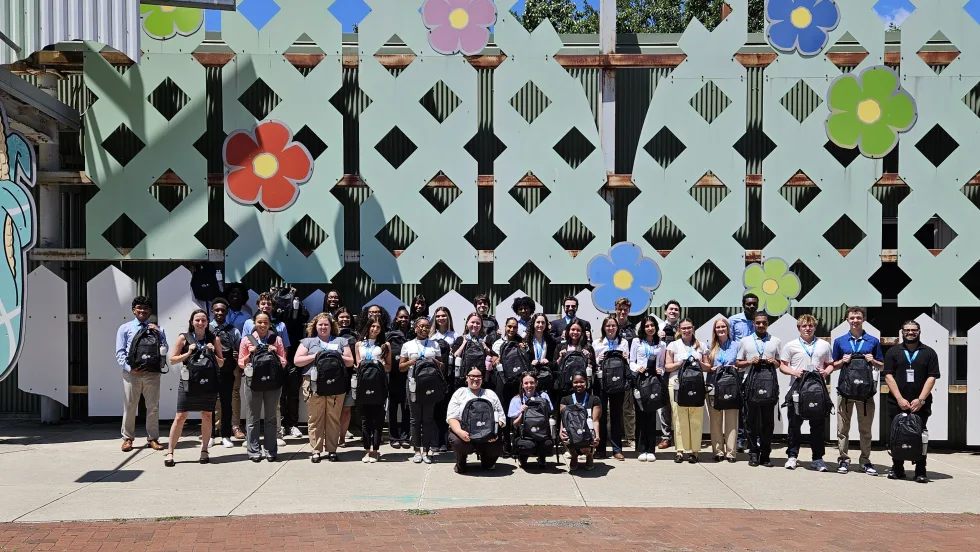
More Than a Summer Job: Building the Next Generation of Transit Talent
The Delaware River Port Authority and PATCO have transformed their internship program into a hands-on professional development experience that introduces students to the breadth of transportation careers — and creates a pipeline for future employees.
Read More →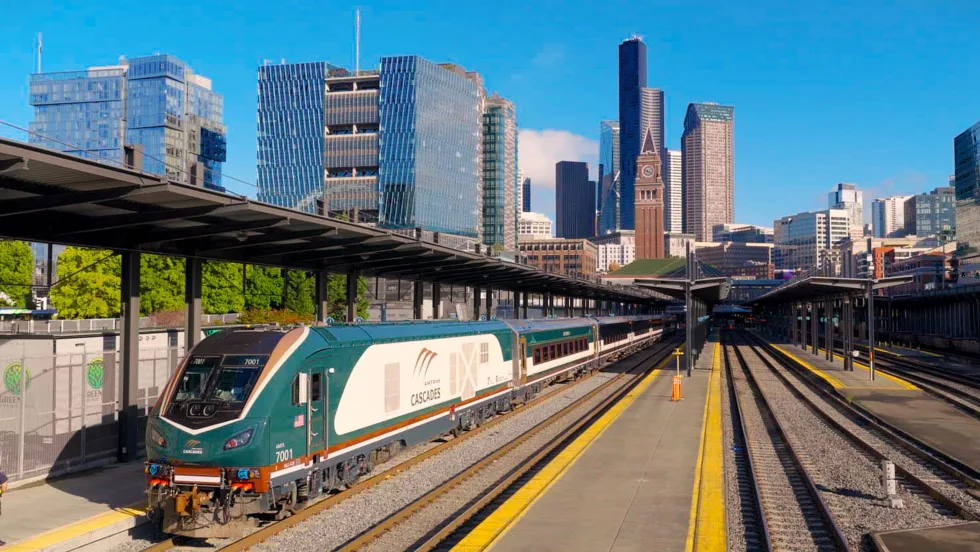
Airo Trains Make Their Amtrak Cascades Debut in the Pacific Northwest
Effective immediately, two cutting-edge Airo trainsets will join the Amtrak Cascades route, operating four daily trips between Vancouver, B.C., Seattle, Portland, and Eugene, Oregon, marking the first introduction of Airo trains into passenger service anywhere in the country.
Read More →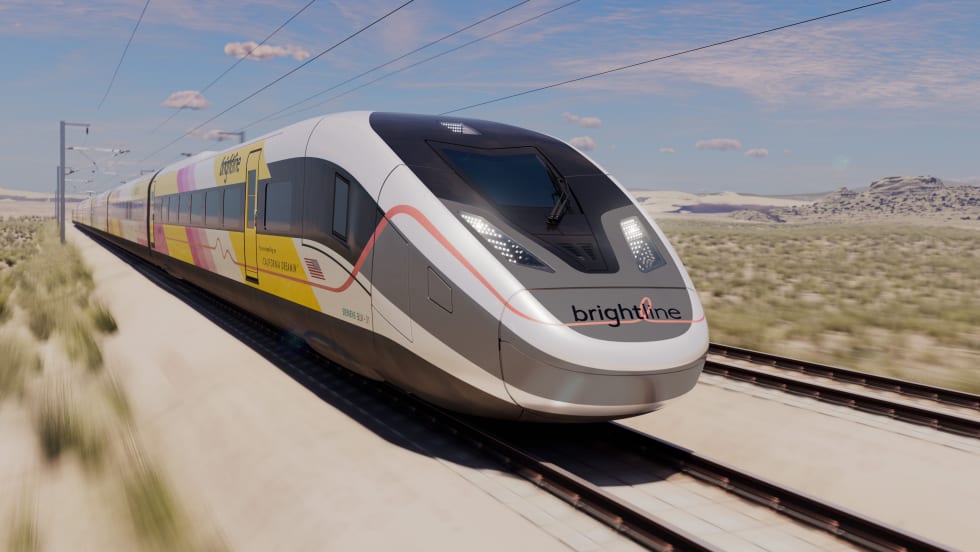
Florida's Brightline Announces Financial Restructuring
Brightline Florida says train operations will continue as normal as certain parent entities enter Chapter 11 and financial stakeholders provide $490 million in new long-term capital.
Read More →