



Calif. awards $2.6B in state Cap and Trade funds
The program provides major benefits towards meeting the state’s climate and air quality goals, with a total reduction of more than 32 million tons of greenhouse gas emissions.

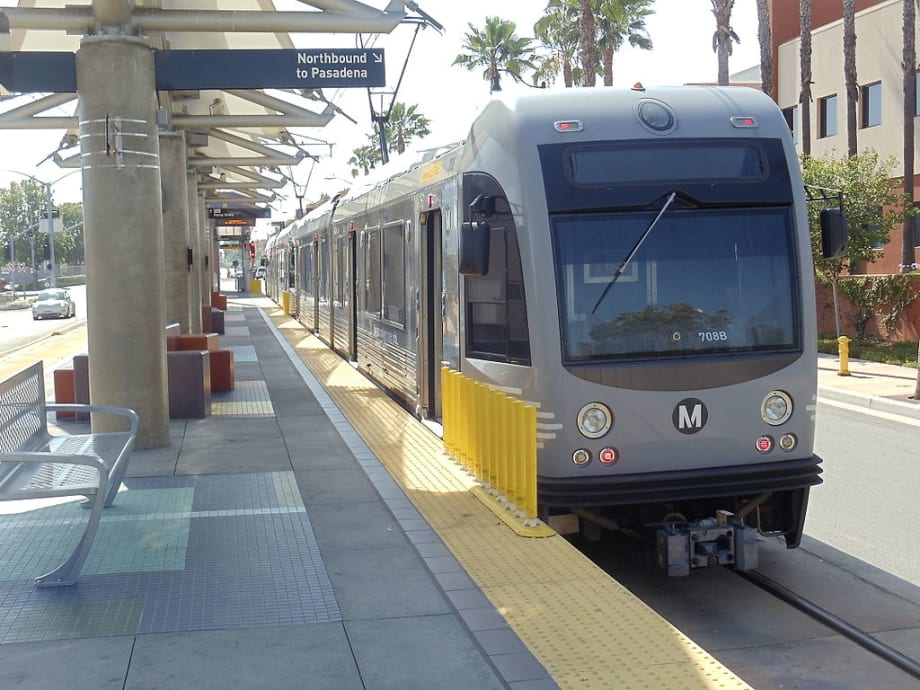
Six major L.A. Metro expansion projects received funding, including light rail extensions to Torrance and Montclair and additional rapid transit service along congested corridors.
LA Metro

The California State Transportation Agency (CalSTA) announced 28 recipients for more than $2.6 billion in Transit and Intercity Rail Capital Program (TIRCP) grants for transformative transit and rail projects. CalSTA is also providing additional funding for seven critical projects through multi-year funding agreements, bringing the total awarded to over $4.3 billion.
TIRCP funding is provided through Senate Bill 1 (SB 1) and from the proceeds of the Cap and Trade program. The program provides major benefits towards meeting the state’s climate and air quality goals, with a total reduction of more than 32 million tons of greenhouse gas emissions.
“The projects selected for this round of Transit and Intercity Rail Capital Program grants make great strides in helping California transform the state transportation system,” said CalSTA Secretary Brian Annis. “This investment of SB1 revenue and Cap and Trade dollars will help us reduce harmful emissions, expand mobility options and create jobs statewide.”
This multi-year funding program provides project funding for 28 projects, with a total cost exceeding $18 billion. These projects will provide significant benefits to Californians through expanded transit and rail offerings that are faster, more frequent, and more reliable.
Pivotal Improvements for Southern California Region– Investment is focused on critical projects to prepare Los Angeles and the Southern California region for the 2028 Olympic Games with six major L.A. Metro expansion projects receiving funding including light rail extensions to Torrance and Montclair and additional rapid transit service along congested corridors. Additional funding will go toward improving regional commuter and intercity rail to make Pacific Surfliner and Metrolink services faster and more reliable through major investments including track improvements at Los Angeles Union Station.
Better Connections for the Bay Area – Projects establish the San Jose Diridon station as a Bay Area Regional hub by completing the funding for BART to San Jose, creation of new SamTrans express bus routes along the congested US-101 corridor and new rail service to Salinas and Monterey, and continued support for Caltrain electrification with funding for additional electric trainsets. TIRCP invests in additional new rail vehicles for BART and SF Muni to improve service and reduce train crowding during peak service, and funding for SMART train extensions to connect with Larkspur ferry service and Windsor. Also provides funding for zero-emission vehicles for SolanoExpress and AC Transit.
Transforming the Central Valley – Supports the creation of an integrated ACE and San Joaquin rail system, increasing service frequency in the Central Valley while providing new service connections to Ceres and Sacramento. Provides funding for zero-emission bus purchases for Fresno, light rail service improvements for Sacramento Regional Transit, and establishes a new zero-emission intercity bus service connecting the North State to Sacramento.
The awards are part of SB 1’s $7.6 billion investment in transit projects. In January, CalSTA awarded $51.9 million in State Rail Assistance program funding which focused on projects that improve commuter and intercity rail service across the state, reduce air pollution, and ease traffic congestion.
To view a complete list of projects, click here.
More Rail
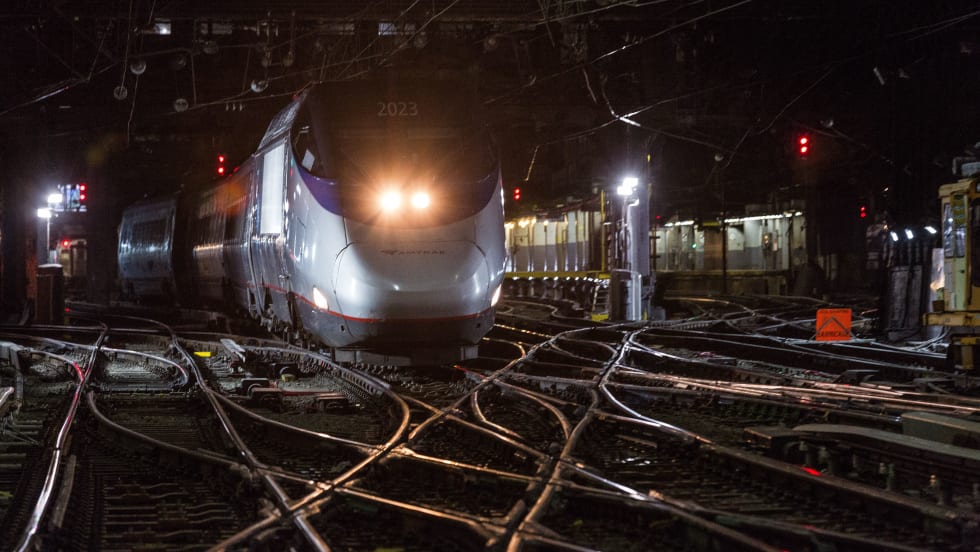
Amtrak Board Advances Plan to Restructure Organization, Seeks Public Input
The proposal, developed by Amtrak management and approved by the board for further consideration, is intended to modernize the organization's structure while improving accountability, operational efficiency, and customer service.
Read More →
Biz Briefs: STV teams with Amtrak, Motorcoach Operators Boost Fleet and Land Contracts, and More
From manufacturers and suppliers to transit agencies and motorcoach operators, these updates offer a snapshot of the projects, partnerships and business moves driving the industry forward.
Read More →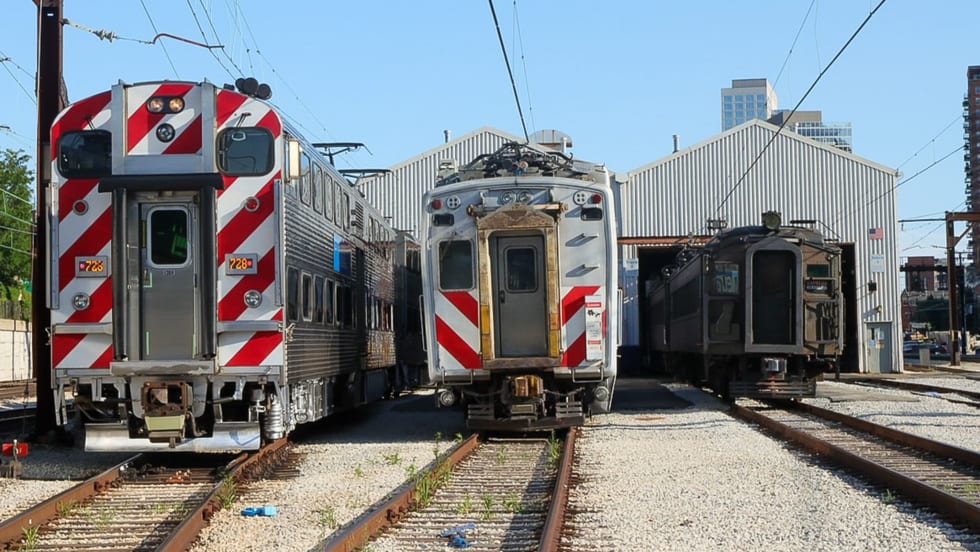
Metra Celebrates 100 Years of Electric Rail, Looks to the Future
The event was also a celebration of recent reforms to public transportation in the Chicago area, changes that could be as transformative in the future as the major civic achievement a century ago, said officials.
Read More →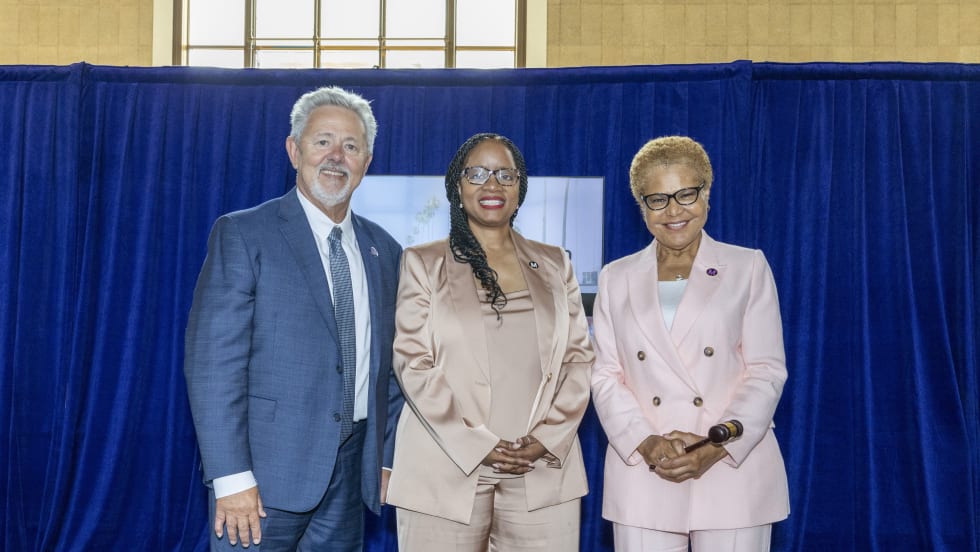
LA Metro Marks Banner Year, Sets Ambitious Goals for New Fiscal Year
Incoming LA Metro Board Chair and Los Angeles Mayor Karen Bass joined outgoing Board Chair Fernando Dutra and LA Metro CEO Stephanie Wiggins to review accomplishments from fiscal year 2026, which included the opening of new rail extensions, advancement of major transit projects, expanded safety programs, and new rider amenities.
Read More →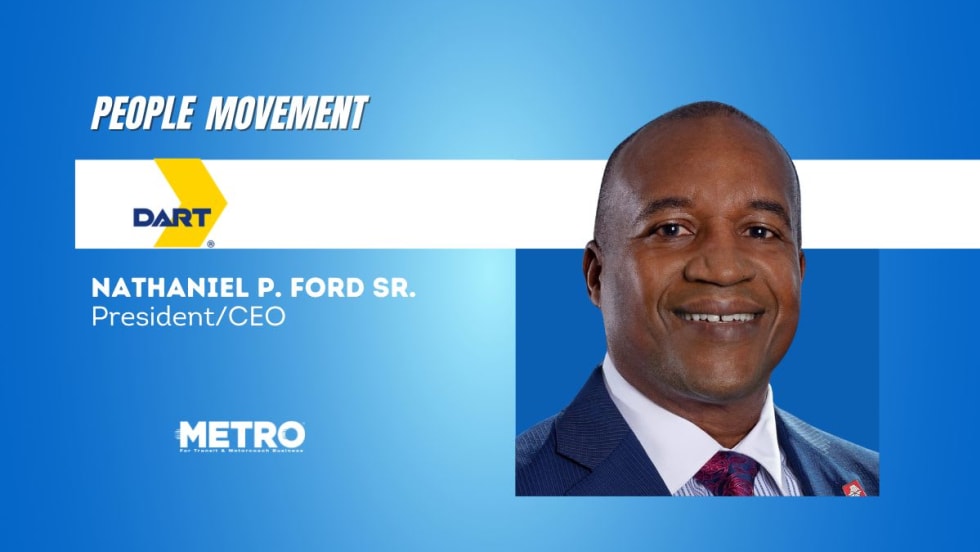
DART Taps Nathaniel P. Ford Sr. as Next President/CEO
Since 2012, Ford has served as the CEO of the Jacksonville Transportation Authority
Read More →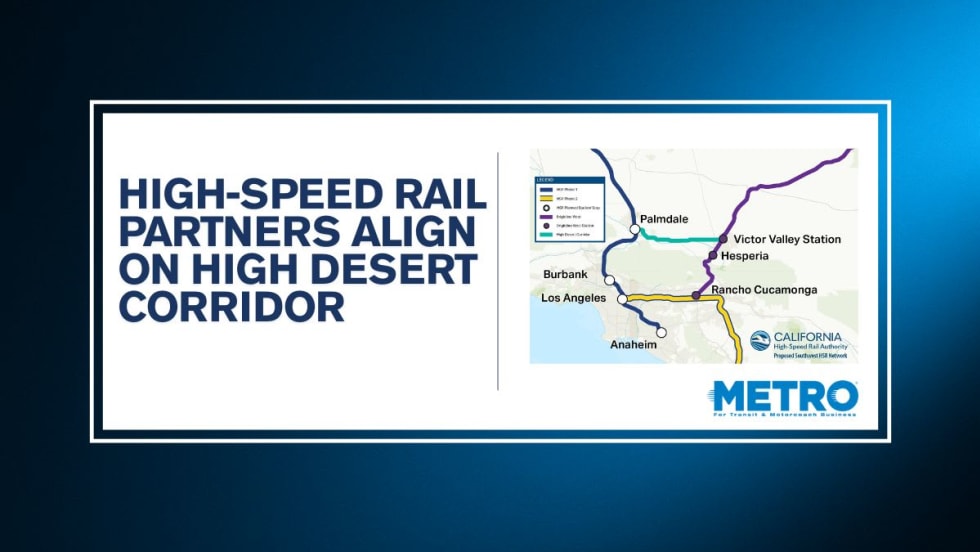
California High-Speed Rail Authority Signs MOU to Advance High Desert Corridor
The agreement deepens collaboration between the California High-Speed Rail Authority and the High Desert Corridor Joint Powers Agency, supporting design integration, cost savings, and faster delivery of a key Southern California rail link.
Read More →
Building the Next Generation of Transit Technology
In this edition of METROspectives, Luminator CEO Magnus Friberg discusses the company's transformation, the growing role of AI and software, and what's next for transit technology.
Read More →
How Data, Strategy, and Community Engagement Are Reshaping Transit
In this edition of METROspectives, strada360 CEO Steve Lassey discusses how transit agencies can better align planning with operations, leverage data to improve decision-making, and build public trust as they prepare for the future of mobility.
Read More →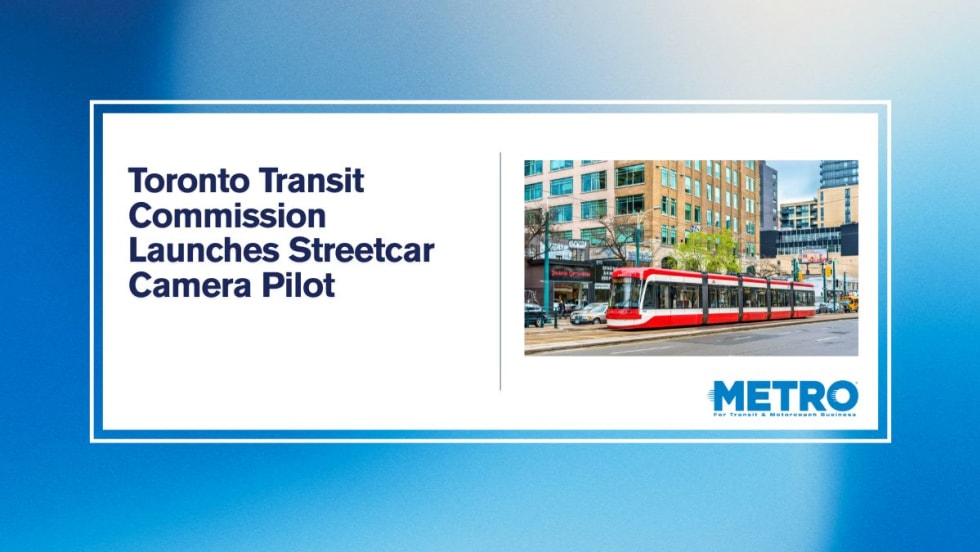
TTC Launches Camera Pilot to Curb Illegal Passing of Streetcars
During the pilot, the cameras will measure how often illegal streetcar passing occurs and test the technology's reliability for future automated enforcement.
Read More →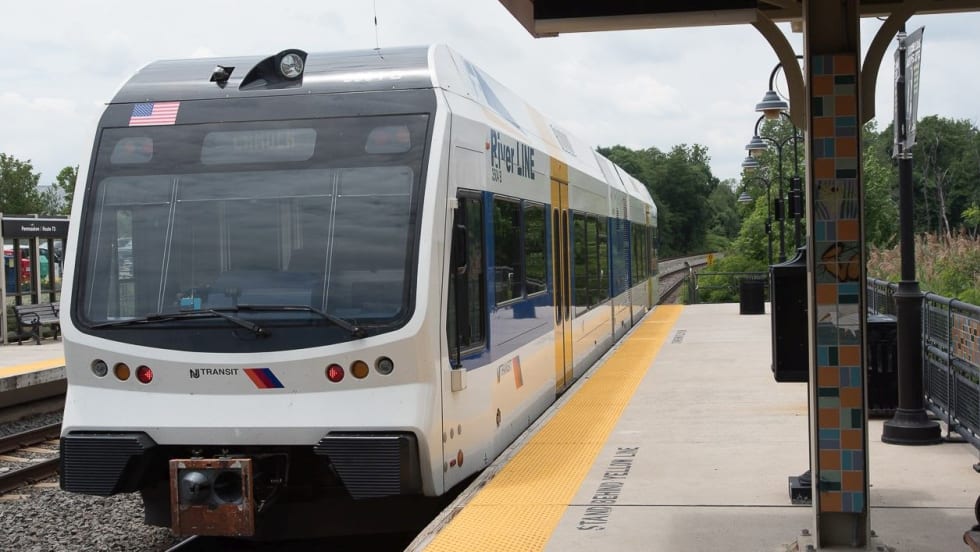
NJ TRANSIT Secures Capital Funding, Adopts FY2027 Budget
The budgets continue investments in infrastructure and equipment to maintain the system in a state of good repair and enhance the overall customer experience.
Read More →