



Texas Central names Bechtel project manager for bullet train
The 200-mph train will connect the state’s largest cities in 90 minutes, with a midway stop in the Brazos Valley.



Texas Central, developers of the high-speed train between North Texas and Houston, announced an agreement today with Bechtel to work together on project management services.
Bechtel has completed more than 300 major train and subway projects, including the Channel Tunnel High Speed 1, Crossrail in London, Riyadh Metro and Dulles Corridor Metrorail in the Washington, D.C., area. Bechtel will support Texas Central in managing the Texas Bullet Train project as it moves from development to implementation. The announcement is the latest significant step forward for the innovative, investor-led project — a 200 mph train that will connect the state’s largest cities in 90 minutes, with a midway stop in the Brazos Valley.
“We’re putting all of the elements together, building toward the expected 10,000 direct jobs each year during construction in Texas. The addition of Bechtel, with its experience in train and mega-infrastructure project experience, is another sign of the expertise this project is attracting and leveraging,” Texas Central CEO Carlos Aguilar said.
Bechtel, a U.S.-based company with an office in Houston and about 2,000 employees in Texas, has global expertise in managing and constructing high-speed train infrastructure. The organization has delivered complex, heavy civil projects for more than 100 years.
“We look forward to using our international high-speed train experience to progress this transformative project in the United States,” said Scott Osborne, Bechtel’s Infrastructure general manager, Americas. “The high-speed connection between Houston and North Texas will begin a new era of travel and convenience for riders.”
The partnership comes a`er Texas Central selected Fluor Enterprises and The Lane
Construction Corporation to perform pre-construction planning with engineering
support from WSP, a leading engineering and professional services consultancy . All have global expertise in construction projects, infrastructure planning and international rail development.
Texas Central, Fluor, Lane and WSP are refining and updating construction planning and sequencing, scheduling and cost estimates and other design and engineering activities.
That’s being guided by the Federal Railroad Administration’s recently released Dra` Environmental Impact Statement (DEIS) on the project. Teams of technical experts continue working on the project every day as the environmental assessments, engineering, design and other work enters a new phase.
The DEIS for the first time outlined a single, preferred route between North Texas and Houston, identified passenger station locations and recognized the train system’s low-impact design and construction principles.
It cited many factors in support of the project, saying the train would “alleviate the
strain” on Texas’ infrastructure and “is needed to accommodate growing demand.”
The FRA will complete a final environmental review that will help determine the
project’s timeline and route before construction begins.
Texas Central is developing a new high-speed train that will connect North Texas, the Brazos Valley and Houston, using proven, world-class technology. The 90-minute trip will provide a safe, reliable and productive transportation alternative. The company’s market-led approach is backed by investors, not government grants, a new business model for infrastructure advances. Texas Central and its affiliated entities will be responsible for the system’s design, finance, construction, operation and maintenance.
Bechtel is one of the most respected global engineering, construction, and project
management companies.
More Rail
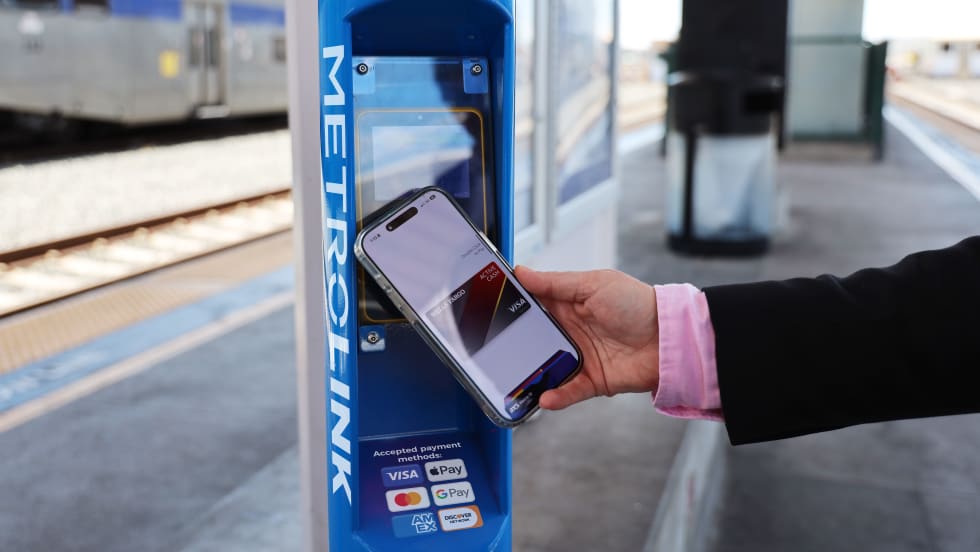
Southern California's Metrolink Debuts Contactless Fare Payment Pilot
Customers traveling between Redlands and Los Angeles can now tap their preferred payment method, including a credit or debit card, mobile wallet, or wearable device, at station validators before boarding and again while exiting.
Read More →
California's BART Approves FY27 Budget While Maintaining Service Levels
The budget covers July 1, 2026, through June 30, 2027, a period when pandemic emergency funds run out, the District faces a structural deficit of $375 million, and a regional transit funding measure may appear on the November ballot.
Read More →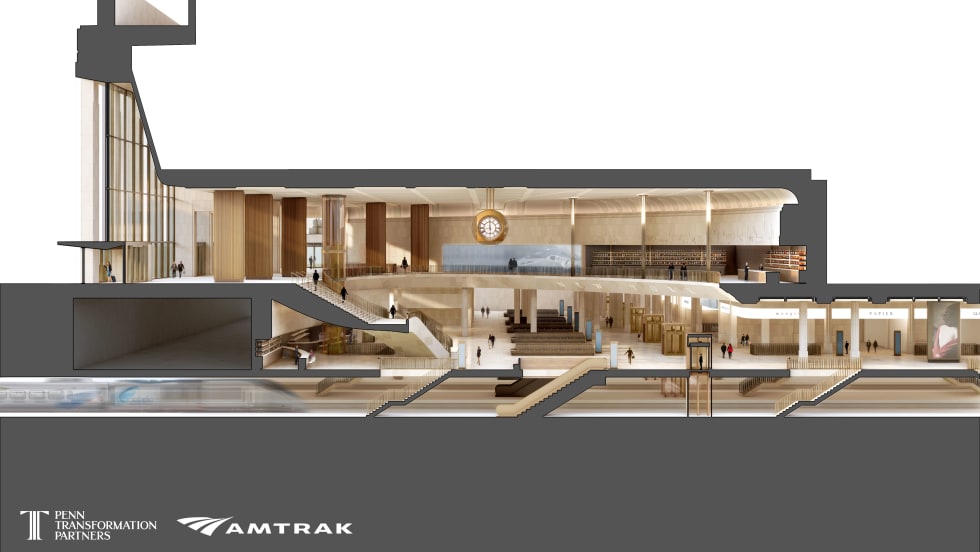
Penn Station Transformation Advances with Design Unveiling
The historic redesign will transform the busiest transit hub in the Western Hemisphere from the tracks to the street level, creating a more efficient, cleaner, and functional experience for more than 600,000 daily commuters and millions of visitors.
Read More →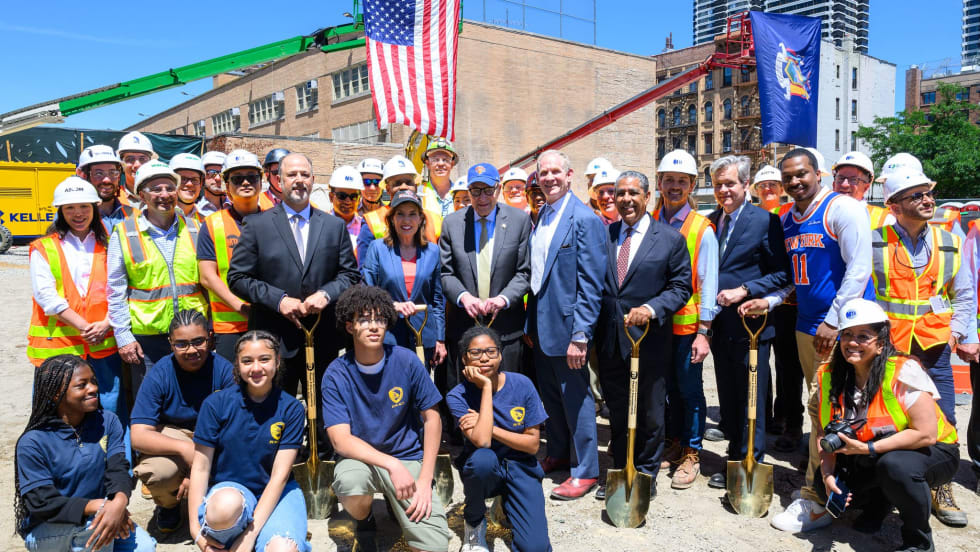
Second Avenue Subway Phase 2 Advances into Major Construction Stage
New York Governor Kathy Hochul joined leadership from the MTA, elected officials, and Harlem community leaders to break ground on the major construction stage of the transformative Second Avenue Subway Phase 2 project.
Read More →
The Invisible Infrastructure of Passenger Flow
What a seat reservation system on Austria’s Railjet trains reveals about the future of rider experience, and why U.S. agencies should pay attention.
Read More →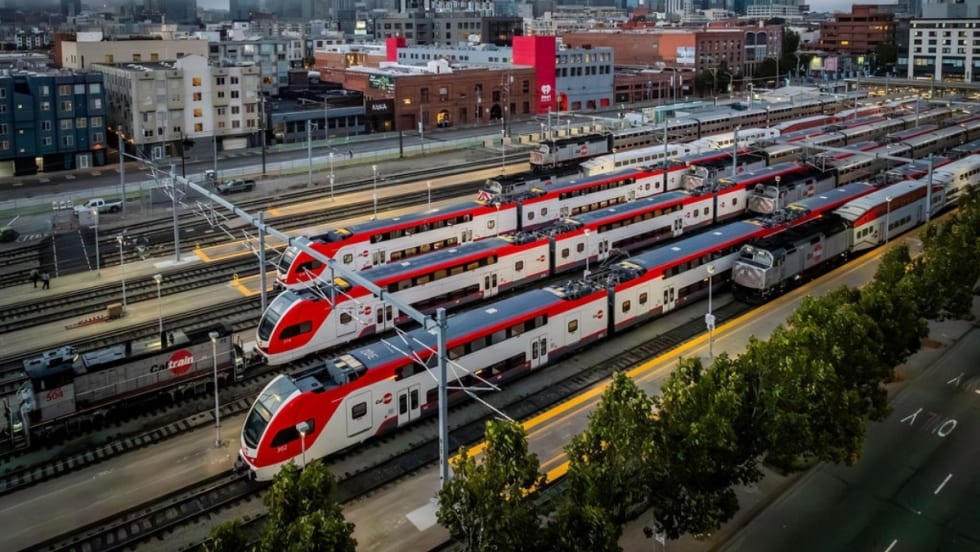
Caltrain Board Approves FY27 Budget, Endorses Efficiency Measures
The move ensures Caltrain service will continue operating as usual in the near term, but long-term financial challenges remain for the rail agency absent a new revenue source.
Read More →
Alstom Acquires Delaware Site to Support Amtrak NextGen Acela Fleet
The company is investing more than $55 million to acquire and improve the property and will employ approximately 100 people at this site once it is operational.
Read More →
When Routine Fails: How Public Transit Must Adapt for the World Cup
The 2026 FIFA World Cup will test transit agencies’ ability to manage unpredictable travel patterns, making real-time data and operational flexibility critical to moving millions of visitors efficiently.
Read More →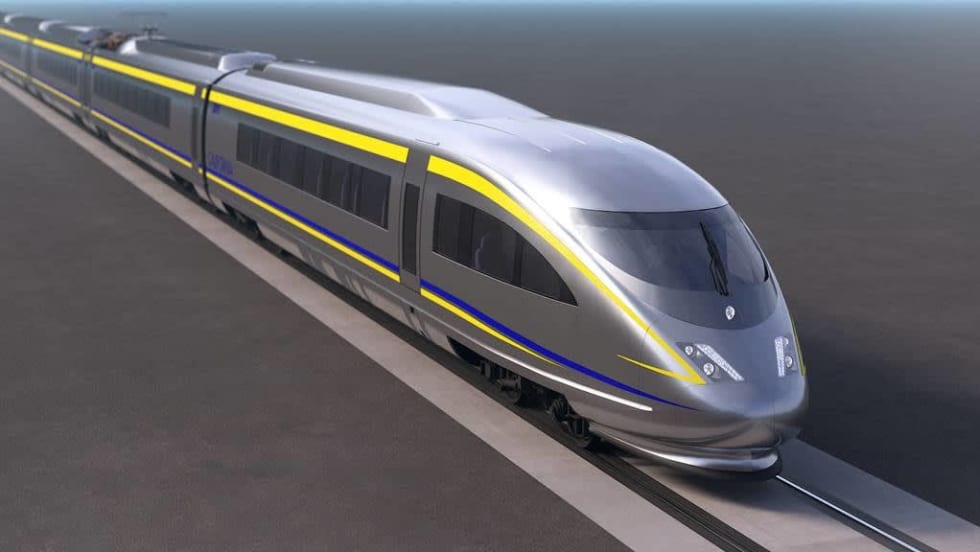
California Selects Team for Nation’s First True High-Speed Rail Track and Systems Contract
The board action follows completion of track installation at the 150-acre southern railhead in Kern County, which will serve as the staging and distribution hub for high-speed track and systems installation.
Read More →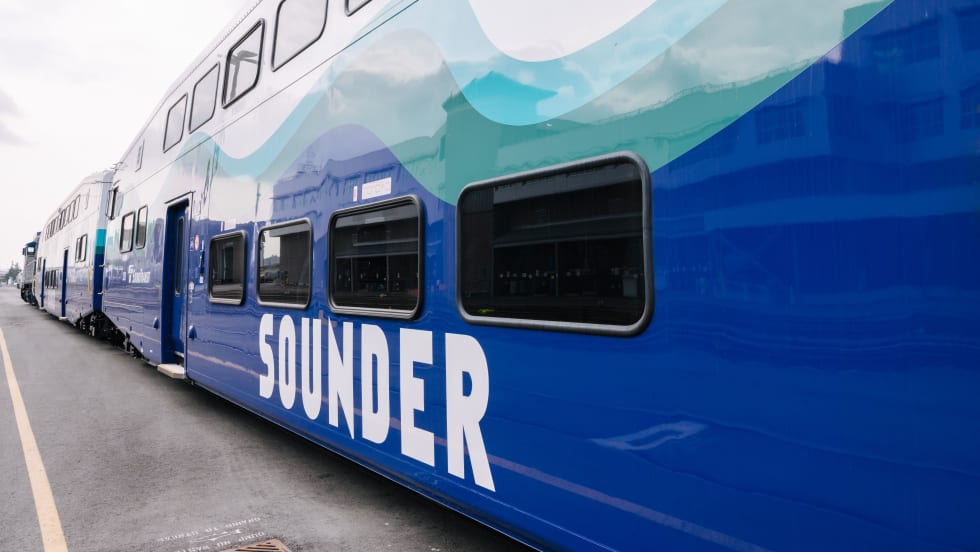
Seattle's Sound Transit Launches New Sounder Railcars into Service
Alstom manufactured all the cars under a $46.5 million contract and came into service in anticipation of summer crowds for soccer and baseball.
Read More →