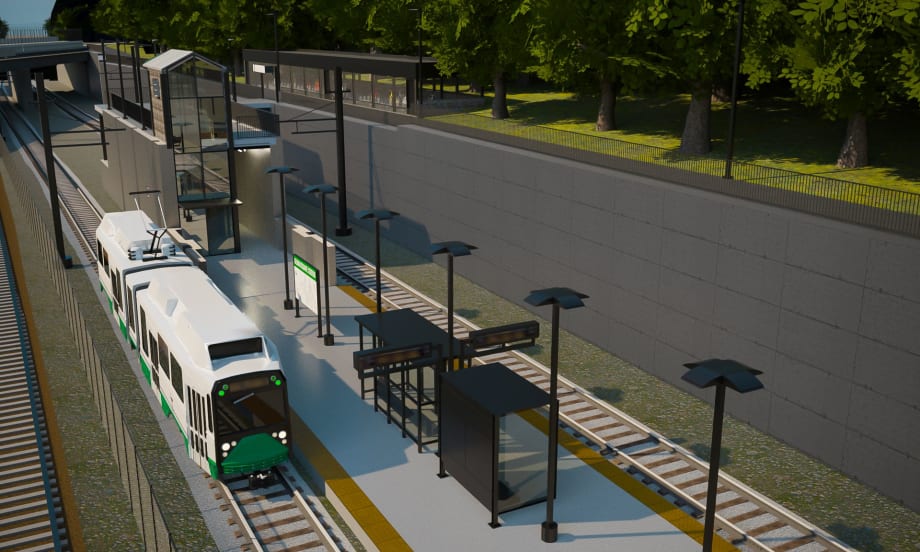
STV will serve as the lead designer for the Massachusetts Bay Transportation Authority’s (MBTA) $1.3 billion Green Line Light Rail Extension. Image: GLXC
2 min to read
STV will serve as the lead designer for the Massachusetts Bay Transportation Authority’s (MBTA) $1.3 billion Green Line Light Rail Extension. Image: GLXC
STV will serve as the lead designer for the Massachusetts Bay Transportation Authority’s (MBTA) $1.3 billion Green Line Light Rail Extension (GLX). The transportation design firm will be part of the design-build team led by the Fluor Corp./Middlesex Corp./Herzog Contracting Corp./Balfour Beatty joint venture (GLX Constructors).
Construction of the 4.3-mile extension, which will provide the Massachusetts communities of Cambridge, Somerville and Medford with a one-seat ride to downtown Boston, is expected to begin later this year, with revenue service beginning in 2021.
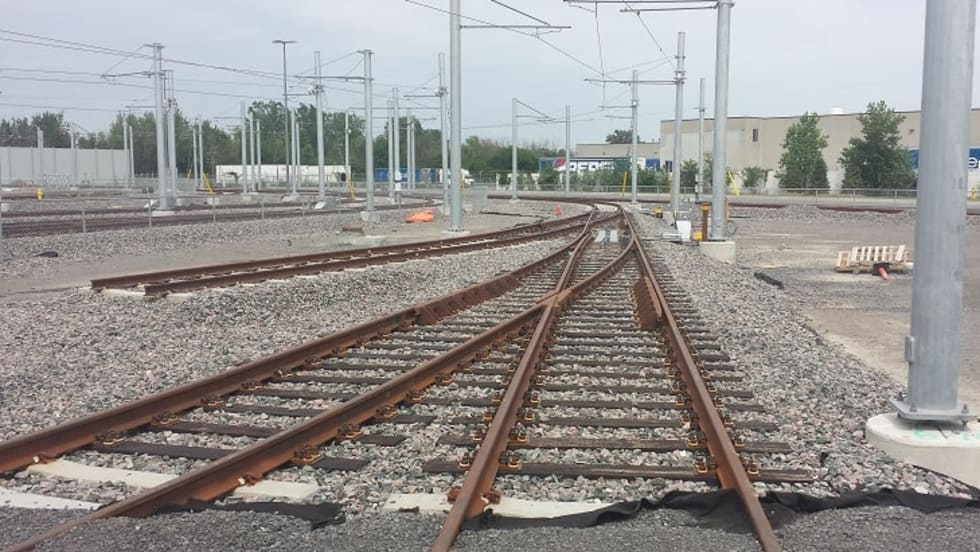
In total, the project also includes the design and construction of a new vehicle maintenance facility, an administration building, a viaduct, six new stations, one relocated station, six bridges, and a community path.
“The three communities where the Green Line Extension project is being constructed have been engaged in this process for nearly 20 years,” said Mark Pelletier, STV VP and Boston office manager. “They are knowledgeable, passionate and excited to have public transportation being made available to them. We look forward to working with them, the MBTA, and the Fluor Middlesex/Herzog/Balfour Beatty team in making this project a reality.”
Construction of the 4.3-mile Green Light Rail extension is expected to begin later this year, with revenue service beginning in 2021. Image: GLXC
The MBTA anticipates a number of benefits for the project, including the reduction of 26,000 regional daily vehicle miles travelled, thereby improving air quality and reducing automobile congestion in the commonwealth. Daily ridership at the seven new GLX stations — which will all be outfitted with amenities that meet or exceed Americans with Disabilities Act standards — is expected to hit 45,000 by 2030. Additionally, all GLX operations will take place within an existing railroad right-of-way, the 3.4-mile Lowell Line and 0.9-mile Fitchburg Line, which minimizes the need to purchase additional ROW.
STV’s role in shaping the GLX marks another major MBTA initiative supported by the firm. One of STV’s earliest projects for the MBTA was the North Station Transportation Improvement Project, where the elevated section of the Green Line’s viaduct was relocated into a tunnel section. In the mid-2000s, STV served as the lead designer for the Greenbush Commuter Rail Restoration project, then the largest design-build project ever undertaken by the MBTA.
Amtrak will open grant applications March 23 for community projects near the Frederick Douglass Tunnel alignment in Baltimore as part of a $50 million investment tied to the B&P Tunnel Replacement Program.
The Denmark Station $2.3 million construction investment project includes a new 280-foot concrete boarding platform, built eight inches above the top of rail, for improved accessibility for passengers with disabilities and families with small children and much more.
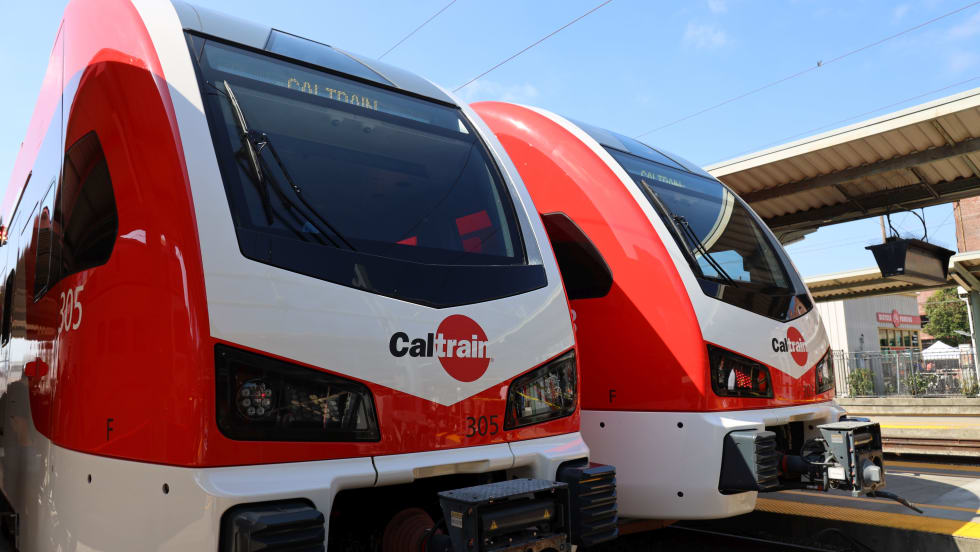
Caltrain and its partners have implemented safety improvements at specific locations in response to known risk conditions, operational needs, and available funding since the agency’s founding.
On a recent episode of METROspectives, METRO Magazine’s Executive Editor Alex Roman sat down with Ana-Maria Tomlinson, Director of Strategic & Cross-Sector Programs at the CSA Group, to explore a bold initiative aimed at addressing those challenges: the development of a National Code for Transit and Passenger Rail Systems in Canada.
Competitive FTA grants will support accessibility upgrades, family-friendly improvements, and cost-efficient capital projects at some of the nation’s oldest and busiest transit hubs.
The 3.92-mile addition will soon take riders west beyond its current Wilshire and Western station in Koreatown, continuing under Wilshire Boulevard through neighborhoods and communities including Hancock Park, Windsor Square, the Fairfax District, and Carthay Circle into Beverly Hills.
Under the plan, all long-distance routes will transition to a universal single-level fleet, replacing today’s mix of bi-level and single-level equipment.