




RELATED: How Metro is inspiring, training tomorrow's workforce
L.A. Metro marks Regional Connector milestone
The rail line, which is now 50% complete, is expected to serve 88,000 riders daily.
May 21, 2018

2 min to read

Elected officials joined Los Angeles County Metropolitan Transportation Authority (Metro) executives for a community celebration in the Little Tokyo/Arts District adjacent to the Japanese American National Museum to thank residents and business owners for their continued support during construction of the Regional Connector Transit Project in downtown Los Angeles. The new rail line is now 50% complete.
“Transportation improvements aren’t just about building infrastructure — they’re about building new connections to the people and places that we love,” said Los Angeles Mayor and Metro Board Chair Eric Garcetti. “The Regional Connector will bring those connections to riders across the region, and today’s milestone means we’re one step closer to a one-seat ride from the Eastside to the beach.”
The family-friendly event included various merchant display booths and exhibits and hands-on demonstrations, tours of the nearby Regional Connector construction site at 1st and Central, and a marketplace of local businesses participating in Metro’s Eat, Shop, Play local campaign program.
The $1.75-billion Regional Connector Transit Project is a 1.9-mile underground light-rail tunnel that will connect the Metro Blue, Expo, and Gold Lines in downtown Los Angeles. The project will include three new stations at 1st Street/Central Avenue, 2nd Street/ Broadway, and 2nd Place/Hope Street. The rail line is expected to serve 88,000 riders daily — including 17,000 new riders — and save commuters up to 20 minutes by reducing the need to transfer when traveling to and through downtown L.A. Construction is expected to be completed in 2021.
“Transforming the L.A. region through an aggressive transportation initiative has taken a giant step forward today as we reach a critical halfway point in this important project,” said Metro CEO Phillip A. Washington. “When completed, this project will be a real game changer for the entire region providing greater connectivity.”
Completion of the twin tunnels for the project occurred in January of this year with the use of a state-of-the-art tunnel boring machine manufactured in Germany by Herrenknecht AG. The machine weighs approximately 1,000 tons, is 400 feet long, and is 21.6 feet in diameter. It advanced about 70 feet per day on average and mined 10,900 feet between the two tunnels and excavated over four million cubic feet, or 240,000 tons of earth.
With the completion of the tunnels, construction on the project has now turned toward finishing the three underground stations and the last portion of rail tunnel under Flower Street.
Metro has contracted with Regional Connector Constructors, a joint venture between Skanska, and Traylor Brothers Inc. to design and build the project.
More Rail
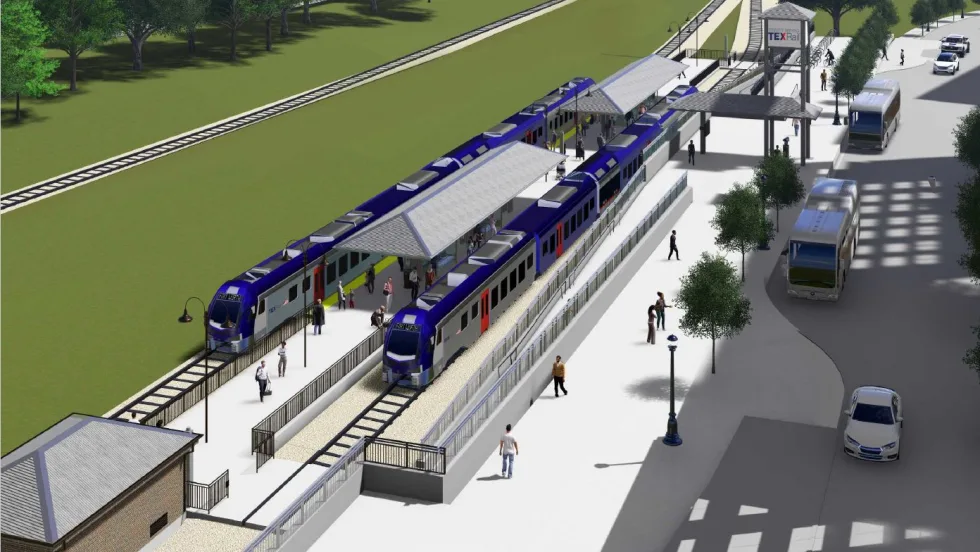
Trinity Metro Breaks Ground on $270M TEXRail Extension
The 2.1-mile extension will connect Fort Worth’s Medical District and Near Southside to downtown, surrounding communities, and Dallas-Fort Worth International Airport.
Read More →
Bringing Austin’s First Light Rail System to Life
Austin Transit Partnership CEO Greg Canally discusses the city's nearly 10-mile light rail project, its collaborative approach to project delivery, the importance of community engagement, and the milestones ahead as construction approaches in 2027.
Read More →
Metra Draft Plan Outlines Costs, Service Improvements for Regional Rail
The Systemwide Network Plan identifies infrastructure needs and potential investments to expand all-day, bidirectional rail service across the Chicago region.
Read More →
Amtrak Completes First Street Tunnel Upgrades, Restores Service
The nine-day construction project included replacing aging track infrastructure and modernizing switch systems near Washington Union Station.
Read More →
FRA Announces $2.3B for Passenger, Freight Rail Projects Nationwide
The CRISI Grant Program funding will support rail infrastructure improvements, safety upgrades, and projects aimed at improving freight and passenger rail service across 45 states and Washington, D.C.
Read More →
Caltrain’s Electrification Drives a New Era of Ridership Growth
The railroad’s shift to electric service has brought more frequent trains, stronger customer satisfaction, and increased ridership, earning it APTA’s Outstanding Public Transportation System award.
Read More →
FTA Advances $164M Broward County Commuter Rail Project
The proposed 10.5-mile commuter rail extension would connect Fort Lauderdale and Aventura, expanding passenger rail options in South Florida.
Read More →
New York MTA Launches Historic $1.9B Signal, Track Modernization Project
Funded in part by congestion pricing revenue, the project will replace nearly century-old signals along the A and C lines in Brooklyn and Queens.
Read More →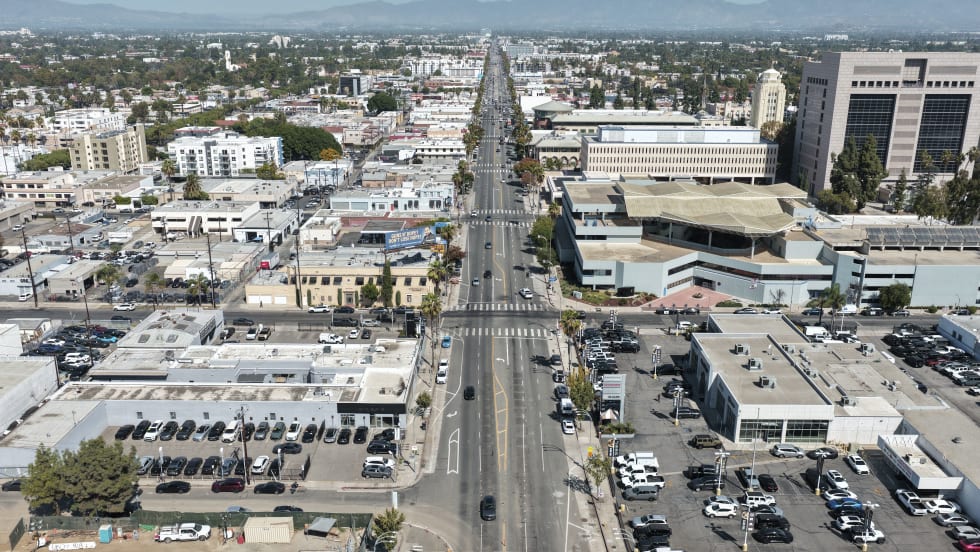
LA Metro Breaks Ground on East San Fernando Valley Light Rail Project
The 6.7-mile line will add 11 stations along Van Nuys Boulevard, expand access to jobs and regional transit connections, and support Metro’s broader efforts to improve mobility as rail ridership grows.
Read More →
CSA Group Releases Climate Resilience Standard for Transit, Passenger Rail
Developed with support from the Standards Council of Canada, CSA D700 guides assessing climate-related risks and planning adaptation measures for transit and passenger rail systems.
Read More →