



BART to add new ride quality monitoring tool
Incorporating cutting edge GPS and accelerometer sensors with an intuitive easy-to-use control software interface, dFuzion Inc.'s rMetrix effectively and efficiently assesses ride quality, comfort, and safety.

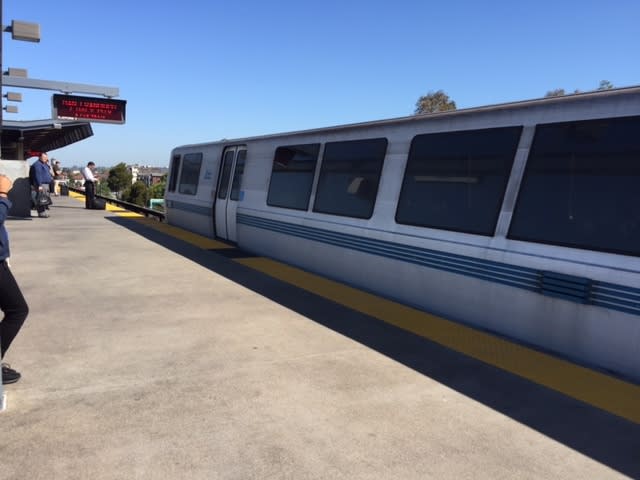
With rMetrix, inspectors can monitor, collect, and analyze geo-spatially correlated ride quality data and make safety and maintenance recommendations in real-time.
Photo via Thi Dao
With rMetrix, inspectors can monitor, collect, and analyze geo-spatially correlated ride quality data and make safety and maintenance recommendations in real-time.
Photo via Thi Dao
The Bay Area Rapid Transit (BART) has chosen dFuzion Inc.’s rMetrix® ultraportable ride performance assessment system for ride quality monitoring of their commuter rail lines.
rMetrix revolutionizes the way ride quality data is collected, stored, analyzed, and displayed. Incorporating cutting edge GPS and accelerometer sensors with an intuitive easy-to-use control software interface, rMetrix effectively and efficiently assesses ride quality, comfort, and safety.
rMetrix is designed for the individual inspector, as well as for organizations, large and small. With rMetrix, inspectors can monitor, collect, and analyze geo-spatially correlated ride quality data and make safety and maintenance recommendations in real-time. With rMetrix, organizations can analyze and correlate ride data over time and geography to determine data trends.
rMetrix-A is designed for those organizations who need to continually monitor ride quality and track and vehicle safety conditions with limited inspectors or resources. Using rMetrix-A for continuous track inspection activities leads to the rapid identification and prioritization of locations for corrective and preventive maintenance, as well as the detection of vehicle and track abnormalities that may impact passenger comfort, cargo integrity, equipment reliability, and operational safety.
More Rail
First Full MetroLink Rail Expansion Completed in 20 Years with $192M Airport Project
The project links two St. Louis-area airports by light rail while adding roadway and bike trail connections to improve regional access and mobility.
Read More →
Utilimarc Launches SmartReplace to Optimize Fleet Replacement Decisions
AI-powered SmartReplace helps fleets prioritize vehicle replacements, model budget scenarios, and build more defensible long-term strategies.
Read More →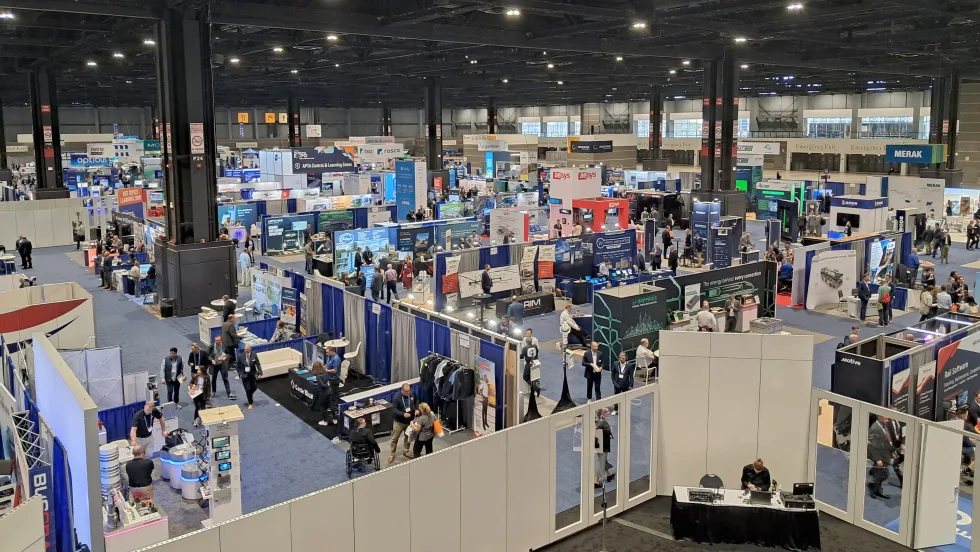
Scenes from APTA TRANSform & EXPO 2026
Transit leaders, manufacturers, and industry professionals gathered in Chicago to explore new technologies, share ideas, and discuss the future of public transportation.
Read More →
USDOT Awards $416 Million for Florida Rail Crossing Safety Upgrades, New Brightline Station
The projects aim to reduce risks for motorists and pedestrians at rail crossings while expanding passenger rail access along Florida’s Space Coast.
Read More →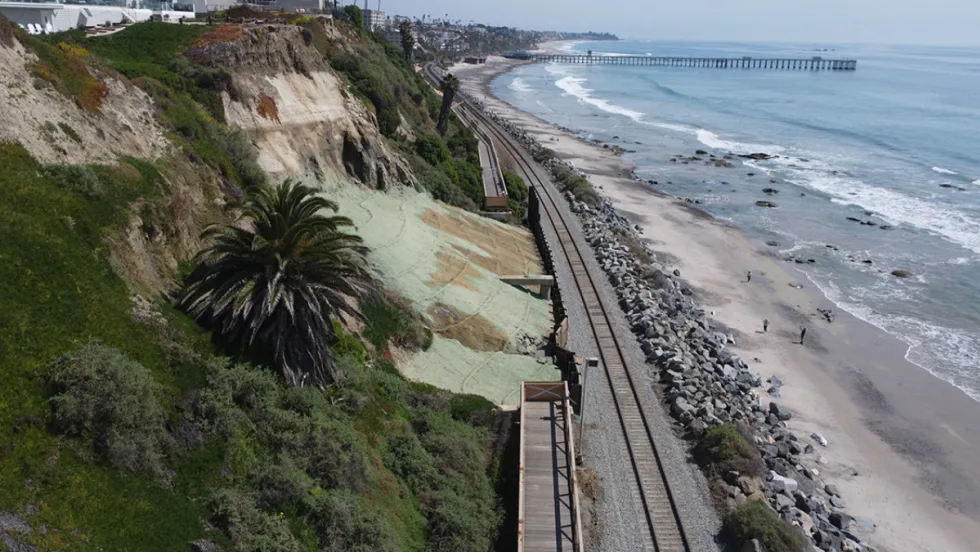
OCTA Declares Emergency to Protect Rail Corridor From Coastal Erosion
The California agency is accelerating shoreline protection and plans to place approximately 690,000 cubic yards of sand along the San Clemente coast to protect a key passenger and freight rail link.
Read More →
More Than a Summer Job: Building the Next Generation of Transit Talent
The Delaware River Port Authority and PATCO have transformed their internship program into a hands-on professional development experience that introduces students to the breadth of transportation careers — and creates a pipeline for future employees.
Read More →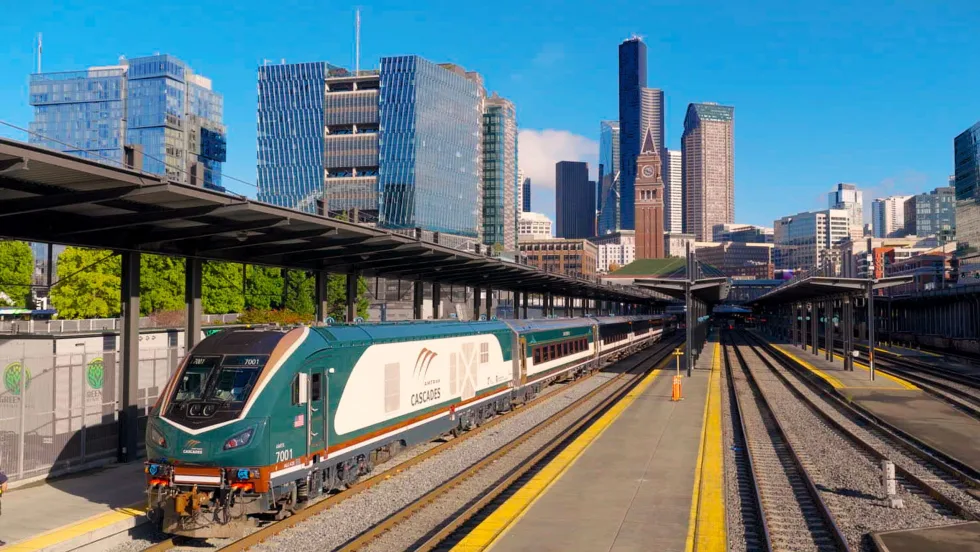
Airo Trains Make Their Amtrak Cascades Debut in the Pacific Northwest
Effective immediately, two cutting-edge Airo trainsets will join the Amtrak Cascades route, operating four daily trips between Vancouver, B.C., Seattle, Portland, and Eugene, Oregon, marking the first introduction of Airo trains into passenger service anywhere in the country.
Read More →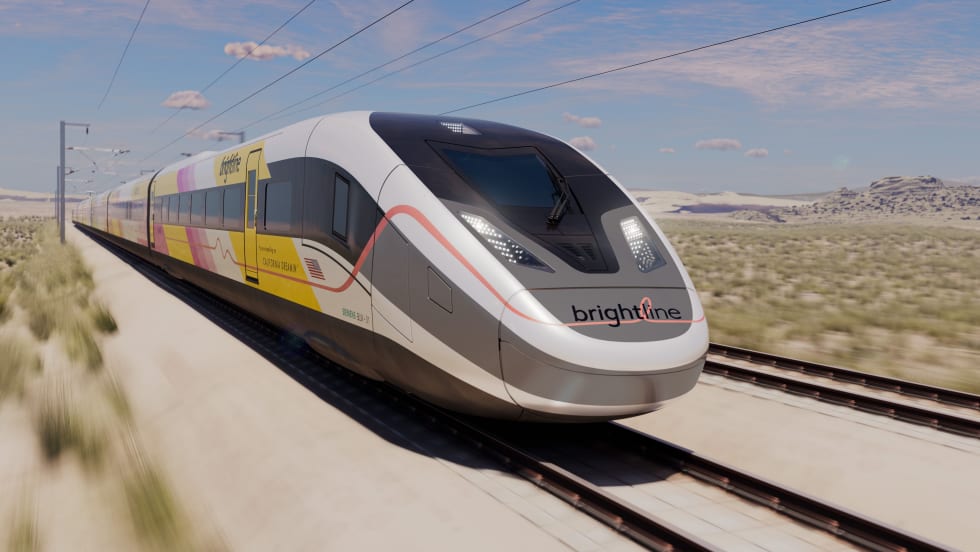
Florida's Brightline Announces Financial Restructuring
Brightline Florida says train operations will continue as normal as certain parent entities enter Chapter 11 and financial stakeholders provide $490 million in new long-term capital.
Read More →
ENC Lands MATA Contract and More in Biz Briefs
In this edition of Biz Briefs, we spotlight the latest developments shaping the future of mobility.
Read More →
Strada360’s Steve Lassey on Turning Transit Data Into Better Decisions
From breaking down data silos to preparing for AI, Strada360 CEO Steve Lassey discusses how transit agencies can use technology to improve operations, customer information, and long-term decision-making.
Read More →