



First L.A. Metro cars arrive at new train yard for Crenshaw/LAX project
The facility will house rail vehicles for the Crenshaw/LAX Transit Project, which is in the final construction stages.

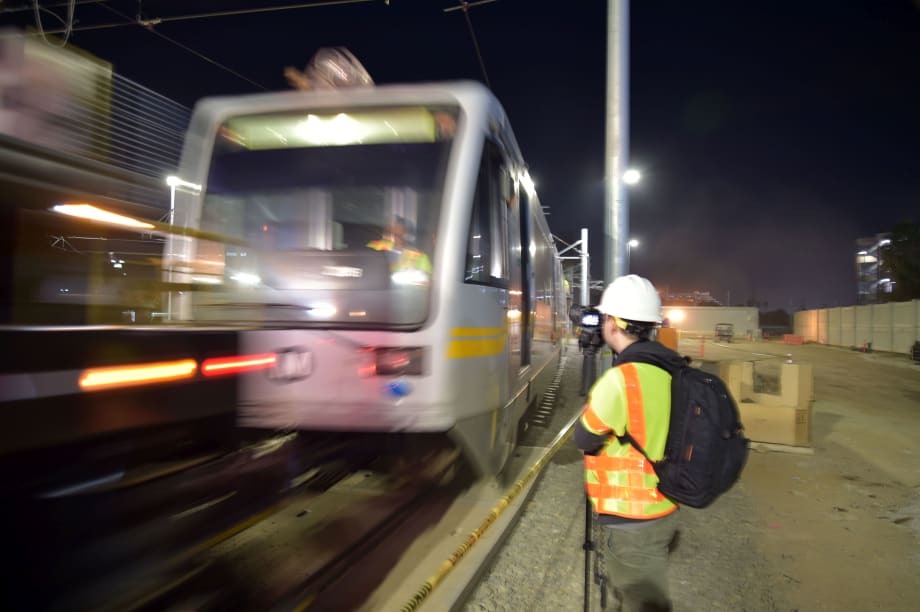
The SWY will have the capacity to store 56-light-rail vehicles, and encompasses a main shop, rail vehicle wash (similar to a carwash), cleaning platform, material storage building, wheel truing shop, and a paint and body shop building.
Metro/Luis Inzunza
The SWY will have the capacity to store 56-light-rail vehicles, and encompasses a main shop, rail vehicle wash (similar to a carwash), cleaning platform, material storage building, wheel truing shop, and a paint and body shop building.
Metro/Luis Inzunza
The Los Angeles County Metropolitan Transportation Authority (Metro) delivered four light rail cars to the new Southwestern Yard (SWY) to begin testing at the facility, which is expected to be completed and operational in 2019. The facility will house rail vehicles for the Crenshaw/LAX Transit Project, which is in the final construction stages.
Four light rail cars were pulled 4.2 miles from the Green Line Hawthorne Yard to the SWY. The rail facility is designed and built to attain LEED Silver Certification, with “green” features including bicycle parking and electric vehicle charging stations. More than 20% of construction materials consist of recycled content. The facility also features a system to reduce water consumption by 40%.
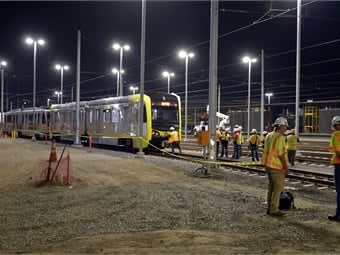
The yard includes provisions for future expansion as the rail vehicle fleet increases in size to 70 cars.
Metro/Luis Inzunza
The SWY will have the capacity to store 56-light-rail vehicles, and encompasses a main shop, rail vehicle wash (similar to a carwash), cleaning platform, material storage building, wheel truing shop, and a paint and body shop building. The yard includes provisions for future expansion as the rail vehicle fleet increases in size to 70 cars. The main shop will provide administrative office and support areas.
More Rail
OCTA Declares Emergency to Protect Rail Corridor From Coastal Erosion
The California agency is accelerating shoreline protection and plans to place approximately 690,000 cubic yards of sand along the San Clemente coast to protect a key passenger and freight rail link.
Read More →
More Than a Summer Job: Building the Next Generation of Transit Talent
The Delaware River Port Authority and PATCO have transformed their internship program into a hands-on professional development experience that introduces students to the breadth of transportation careers — and creates a pipeline for future employees.
Read More →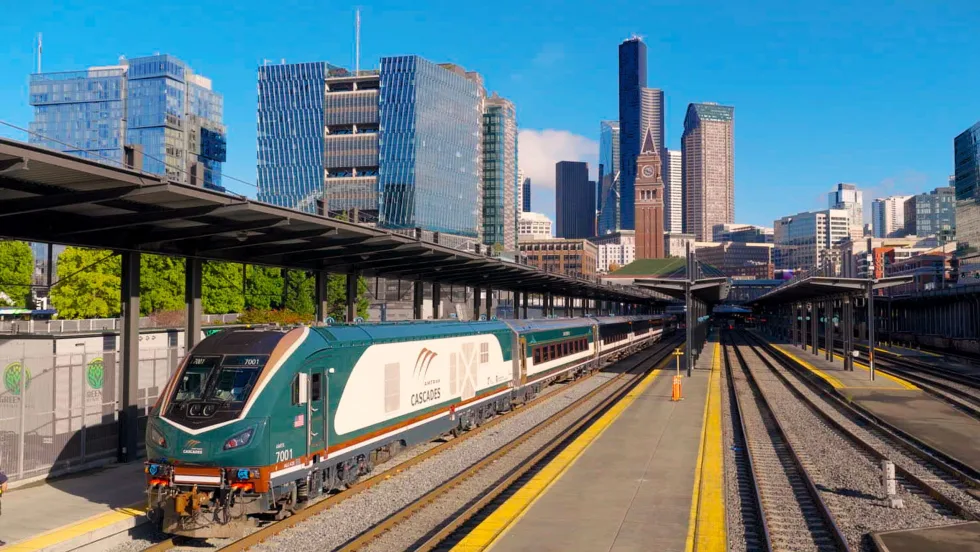
Airo Trains Make Their Amtrak Cascades Debut in the Pacific Northwest
Effective immediately, two cutting-edge Airo trainsets will join the Amtrak Cascades route, operating four daily trips between Vancouver, B.C., Seattle, Portland, and Eugene, Oregon, marking the first introduction of Airo trains into passenger service anywhere in the country.
Read More →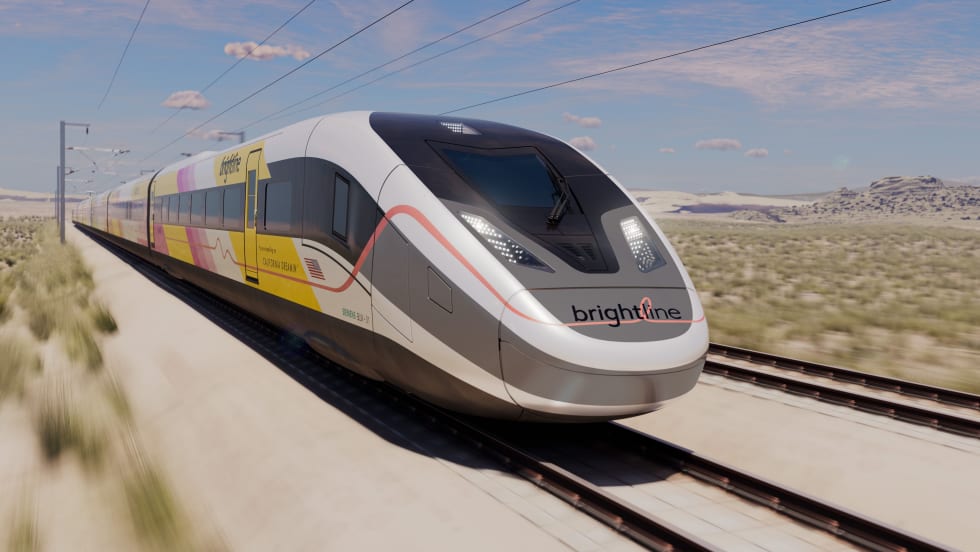
Florida's Brightline Announces Financial Restructuring
Brightline Florida says train operations will continue as normal as certain parent entities enter Chapter 11 and financial stakeholders provide $490 million in new long-term capital.
Read More →
ENC Lands MATA Contract and More in Biz Briefs
In this edition of Biz Briefs, we spotlight the latest developments shaping the future of mobility.
Read More →
Strada360’s Steve Lassey on Turning Transit Data Into Better Decisions
From breaking down data silos to preparing for AI, Strada360 CEO Steve Lassey discusses how transit agencies can use technology to improve operations, customer information, and long-term decision-making.
Read More →
SEPTA Details Accelerate Vision for Transit System
The plan outlines investments in trolley modernization, new Metro and Regional Rail vehicles, accessible stations, and more frequent bus and rail service.
Read More →
FTA Ends Direct Oversight of MBTA Safety Actions
The federal agency closed its remaining special directive to the Massachusetts Department of Public Utilities following a safety review that began in 2022.
Read More →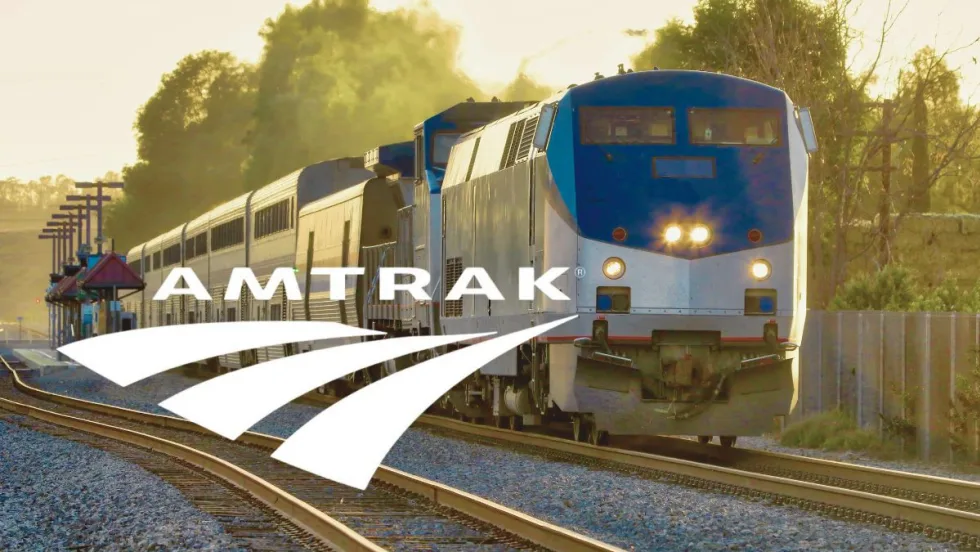
Amtrak, CN Reach Agreements to Strengthen Passenger Rail Service, Safety
The agreement resolves a more than decade-long proceeding before the Surface Transportation Board concerning the terms and conditions for Amtrak services, such as the City of New Orleans, Illini/Saluki, and Wolverine.
Read More →
New York MTA Advances Final Contract for Second Avenue Subway Expansion
Contract Four is the largest in the Second Avenue Subway Phase 2 project and includes construction of station infrastructure, tracks, and signals for the subway expansion, MTA officials said. Work on Contract Four will begin in 2027.
Read More →