



New collision avoidance technology for buses increases pedestrian, cyclist safety
The Mobileye Shield+ System is a multi-vision-sensor system that uses algorithms to determine whether a pedestrian or bicyclist near the vehicle is a threat and alerts the driver with an audible and visual alert.
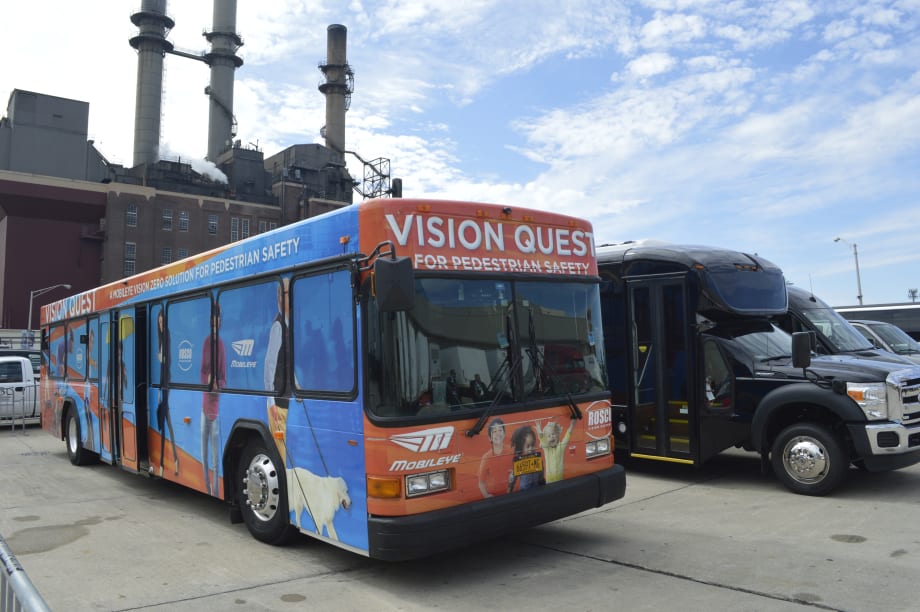

In October, the Metropolitan Transportation Authority’s (MTA) New York City Transit (NYCT) began a 60-day pilot program to test the Mobileye Shield+ System, which combines multiple smart vision sensors manufactured by Mobileye with a driver interface manufactured by Rosco Vision Systems, on two buses out of its Flatbush Depot.
The new solution yields simple left, center and right alarm interfaces that communicate audio and visual alerts to drivers based on the location of a pedestrian and severity of the threat. Whether a straightaway or turn, the multi-vision-sensor system is tuned with sophisticated algorithms and Mobileye’s experience to filter out pedestrian proximity that is non-threatening. It also locks in and follows pedestrians and their course if they are deemed to be collision likely.
Utilizing an intelligent vision sensor that works like a bionic eye, the system identifies a diverse and extensive variety of potential dangers on the road, such as vehicles, cyclists, pedestrians and more. The distance and relative speeds of these objects are continuously measured to calculate the risk of the driver colliding with them, even lane markings and traffic signs are detected.
The system provides two distinct displays — solid yellow to alert the driver a pedestrian or cyclist is detected around the bus, but is in a safe area. And, a blinking red alert with audible beeps notifies the driver of a pedestrian or cyclist that is in the bus collision trajectory — with the latter informing drivers in sufficient time to make a corrective action before a collision occurs.
“It is challenging to operate a bus, so there clearly was a need in the marketplace for systems that would intelligently alert the driver to the presence of vulnerable road users, including pedestrians and cyclists,” said Rosco’s VP, Engineering, Ben Englander.
Rosco worked with Mobileye to adapt their “smart” camera systems and package them for exterior mounting on large vehicles. The four IP67-rated cameras situated around the vehicle provide coverage of forward-facing blind spots and critical areas around the side and front of the bus.
The two cameras situated on either side of the bus can detect pedestrians and cyclists who either enter the crosswalk and the bus drivers’ blind spot without noticing a bus is making a left turn or walk directly in front of or into the side of the bus when it is making a right turn.
Meanwhile, two forward-facing cameras provide both forward collision and headway monitoring/following time warnings, which alert drivers to an imminent, rear-end collision with a car, truck or motorcycle moving at any speed.

The system also includes speed limit indications, to notify the driver if the vehicle exceeds the posted speed limit, and lane departure warnings, to alert the driver if the vehicle leaves the lane without use of a turn signal.
One of the side benefits of installing the system on a bus is it enables the driver to maintain safe following distances, eliminating the need for constant braking and acceleration, resulting in measurable fuel savings as well as extended brake life.

Englander explained that the system is highly accurate, with the company working over the last year with Mobileye to make sure the settings, camera placement and programming are fine-tuned to alert when there is a vulnerable road user at risk and not create false alarms.
“That is the intelligence of the system; the Mobileye camera can see up to 100 pedestrians in its field and calculate their movement to see which ones are at risk to the movement of the vehicle and which ones are not,” said Englander. “The big accomplishment for this system is that it will, in essence, filter and only alert when it should.”
As for the NYCT pilot, if it is initially successful, the agency plans on installing the Mobileye Shield+ System on 200 additional buses for testing in 2016.
In addition to the NYCT pilot, the Washington State Transit Insurance Pool (WSTIP) has launched a 35-bus pilot program, which includes Everett, Wash.’s Community Transit and Lakewood’s Pierce Transit, with 20 buses already set, as of press time, and Rosco set to complete the installation of all 35 buses by the end of the year.
Seattle’s King County Metro will test the system on three of their buses, with several other transit authorities in the process of setting up agreements with the company to pilot the system.
So far, Englander explained that feedback from the two pilots has been positive.
“There are two very positive things that stand out among what we have heard; one is that the detection mode of our system is giving drivers awareness of their surroundings when there are vulnerable road users around that they aren’t necessarily on a collision course with,” he said. “The second thing is that our contact at MTA has expressed extreme satisfaction with the system that it’s operating as advertised. In other words, there aren’t these potentially worrisome false alarms that would distract the drivers or make them unwilling to use it. The system is operating quietly unless it needs to alert. That is a really big deal because in certain technologies that have existed for some time, there is a propensity for false alarms, and this technology has been refined and fine-tuned.”
In addition to the pilots, Rosco has also created a test bus that has been traveling around the country, including stops at the American Public Transportation Association’s Bus & Paratransit show in May and BusCon 2015 in September.
For more information on the system, click here.
More Security and Safety

FTA Launches 'Transit Moves America' Dashboard to Highlight Agency Safety and Performance
The online dashboard transforms National Transit Database information into a public-facing resource that allows users to compare transit agencies on key operational and safety metrics.
Read More →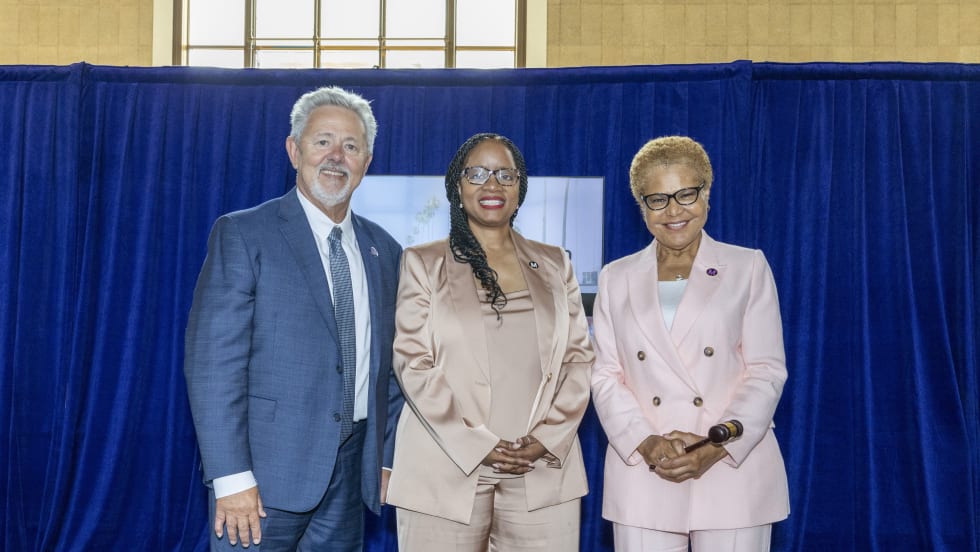
LA Metro Marks Banner Year, Sets Ambitious Goals for New Fiscal Year
Incoming LA Metro Board Chair and Los Angeles Mayor Karen Bass joined outgoing Board Chair Fernando Dutra and LA Metro CEO Stephanie Wiggins to review accomplishments from fiscal year 2026, which included the opening of new rail extensions, advancement of major transit projects, expanded safety programs, and new rider amenities.
Read More →
Building the Next Generation of Transit Technology
In this edition of METROspectives, Luminator CEO Magnus Friberg discusses the company's transformation, the growing role of AI and software, and what's next for transit technology.
Read More →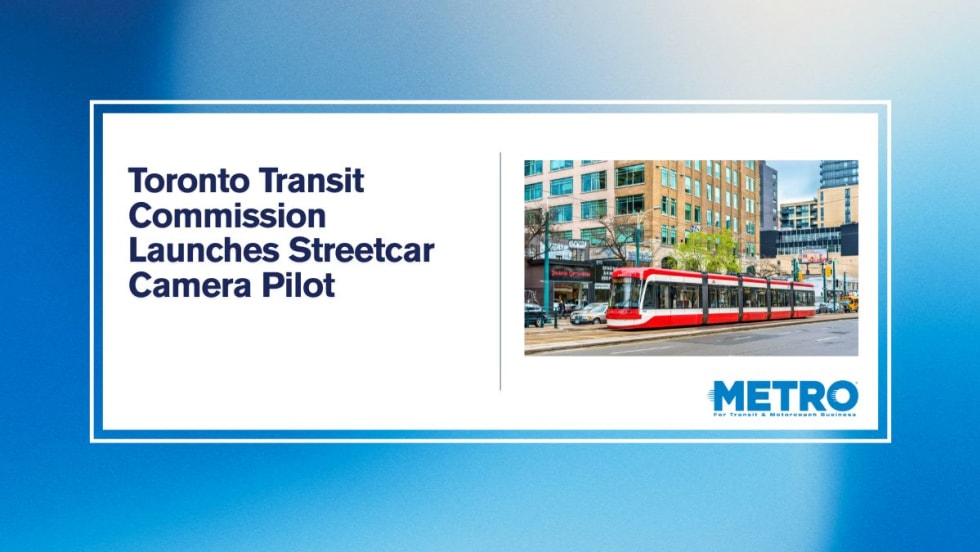
TTC Launches Camera Pilot to Curb Illegal Passing of Streetcars
During the pilot, the cameras will measure how often illegal streetcar passing occurs and test the technology's reliability for future automated enforcement.
Read More →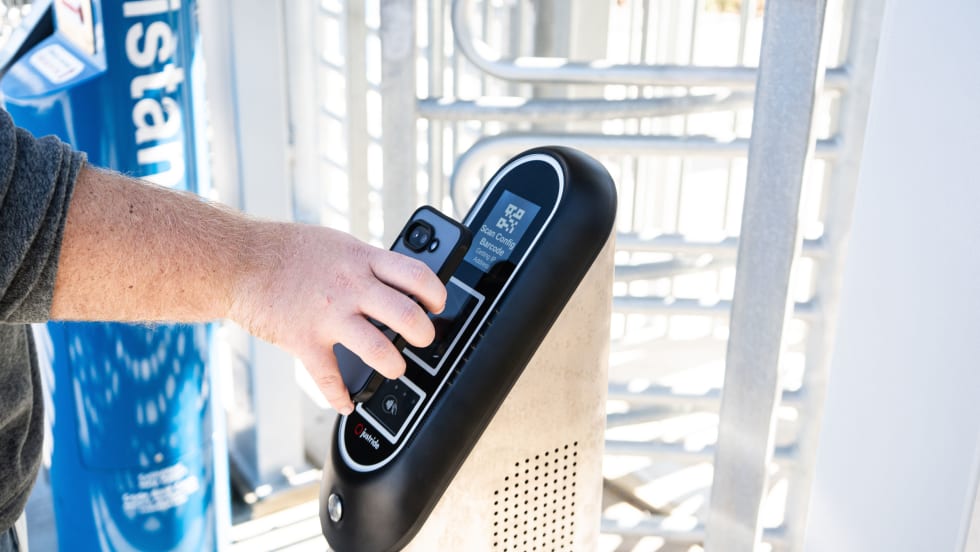
Biz Briefs: Masabi Teams with St. Louis Metro and More
In METRO's latest installment, we take a look at recent news from Transdev, Hitachi, and more partnerships making headlines across the transportation sector.
Read More →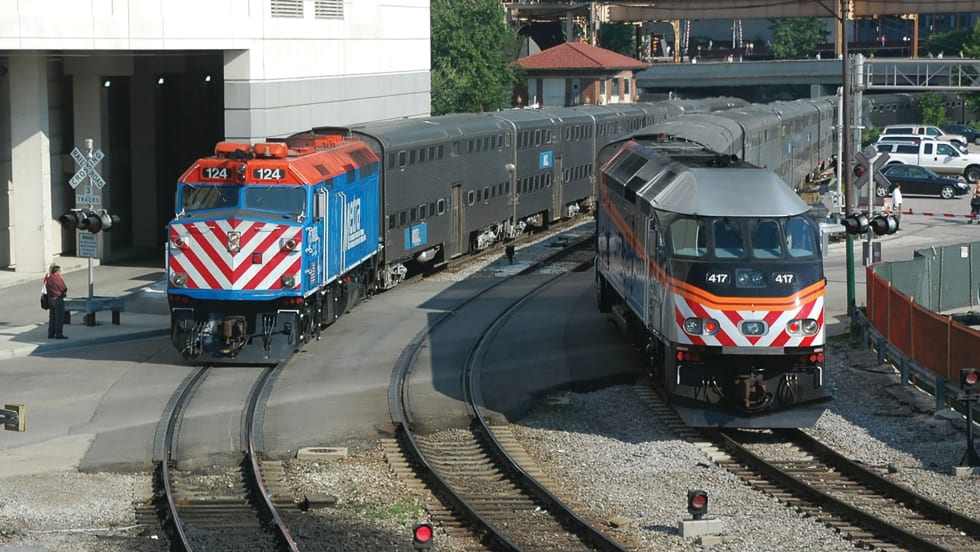
Metra Begins Drone Pilot Project to Boost Safety and Security
The project is funded through a $620,000 grant from FEMA’s Transit Security Grant Program, which provides transit agencies with funding for projects intended to protect critical transportation infrastructure and the traveling public.
Read More →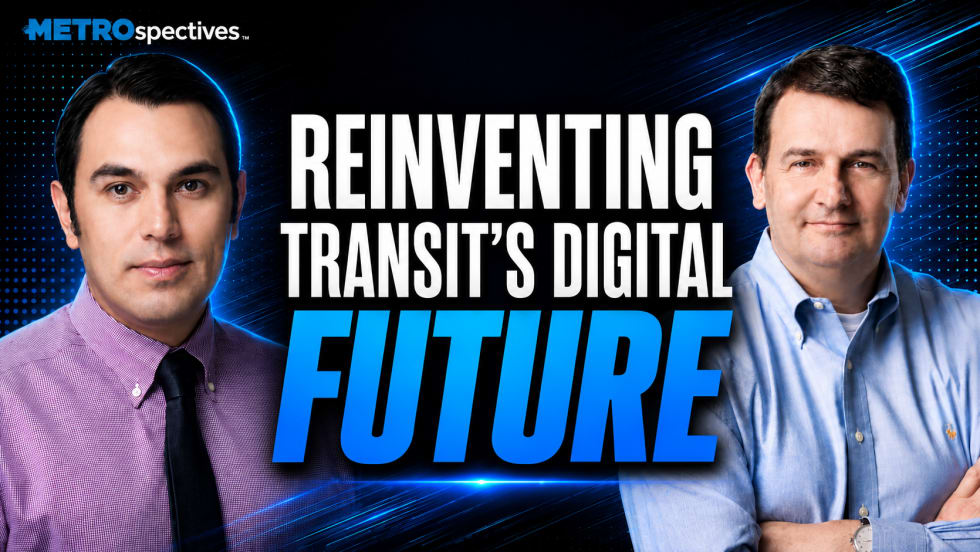
Building the Next Generation of Transit Technology
In this edition of METROspectives, Luminator CEO Magnus Friberg discusses the company's transformation, the growing role of AI and software, and what's next for transit technology.
Read More →
APTA Recognizes Excellence in Rail Safety and Security at 2026 Rail Conference
Nominations are evaluated on four criteria: effectiveness, benefit level, innovation, and transferability.
Read More →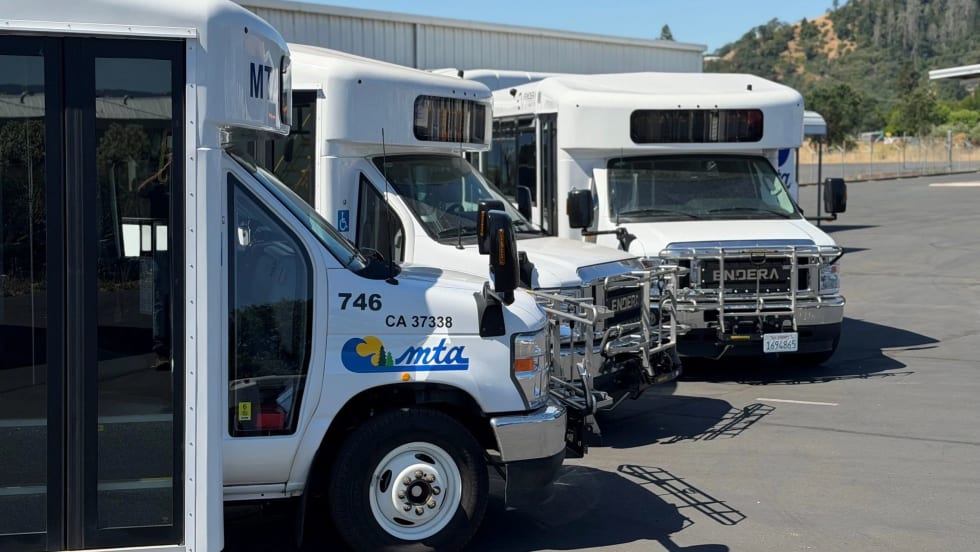
Biz Briefs: Endera Delivers to California, Safety Vision Teams with San Antonio's VIA, and More
From manufacturers and suppliers to transit agencies and motorcoach operators, these updates offer a snapshot of the projects, partnerships and business moves driving the industry forward.
Read More →
The Role of AI in Public Safety for Smart Transit Systems
As transit systems generate more data than ever, AI-powered safety tools are helping agencies detect incidents faster, improve response times and enhance situational awareness.
Read More →