




RELATED: Amtrak to install inward-facing cameras in locomotives
No mechanical problems found in Amtrak crash, NTSB says
The train was travelling at 106 mph when it entered a 50 mph-restricted curve. As the train entered the curve, the engineer applied the emergency brakes.
June 2, 2015
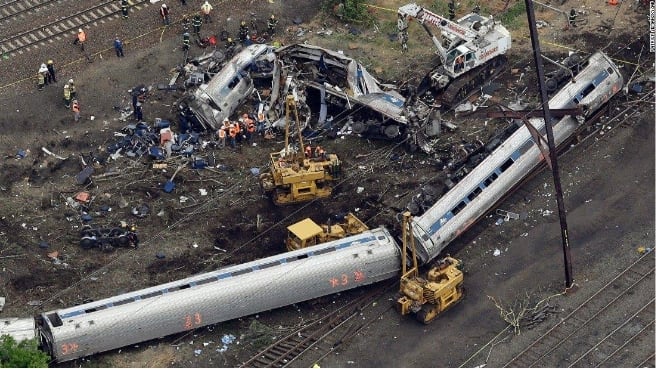
Two passenger cars on their side and the remains of a damaged passenger car. Photo: NTSB
2 min to read
Two passenger cars on their side and the remains of a damaged passenger car. Photo: NTSB
National Transportation Safety Board (NTSB) investigators found no apparent mechanical problems in last month's deadly Amtrak derailment in Philadelphia, according to a preliminary report released today.
"No anomalies" have been found so far when investigators looked at the train braking systems, signals and track geometry, according to the NTSB report.
Based on the NTSB’s preliminary review of the train’s event recorder data, the train was travelling at 106 mph before the emergency brake system engaged. The data indicated that the engineer activated the emergency brakes seconds before the derailment.
The NTSB has possession of the Amtrak engineer’s cell phone and has obtained the cell
phone records. NTSB forensic experts are examining the phone and phone records. Although the records appear to indicate that calls were made, text messages sent, and data used on the day of the accident, investigators have not yet made a determination if there was any phone activity during the time the train was being operated, the report said.
Investigators are in the process of correlating the time stamps in the engineer’s cell phone records with multiple data sources including the locomotive event recorder, the locomotive outward facing video, recorded radio communications, and surveillance video, according to the report.
The NTSB is investigating reports of vandals throwing rocks or other objects at passing
trains around the time of the derailment. Damage to locomotive windshields and to at least one passenger car has been reported. The Amtrak 188 locomotive windshield has impact damage, however, it has not been determined if the damage was from a thrown
object or as a result of the derailment. The NTSB was assisted by the FBI in evaluating
the damage to the locomotive windshield which found no evidence of damage that could have been caused by a firearm.
More Security and Safety
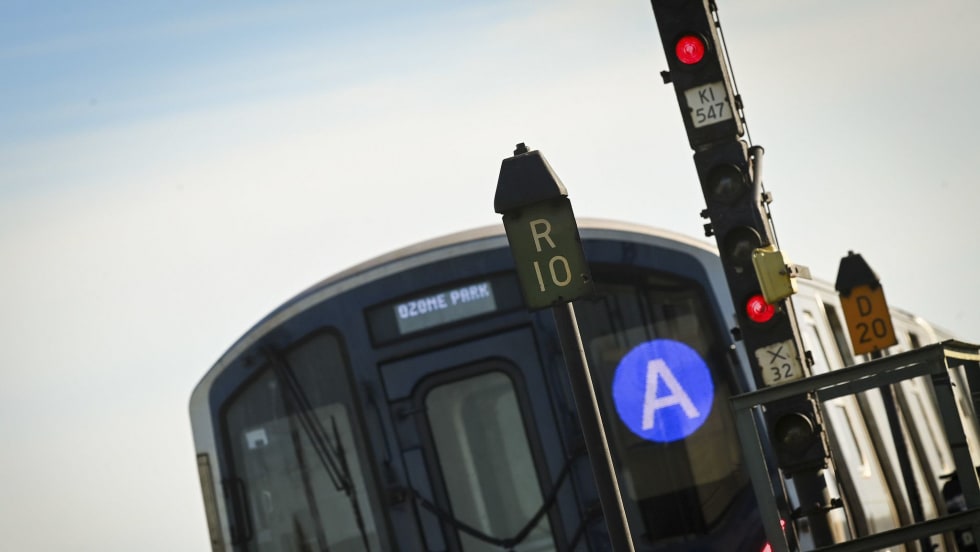
New York MTA Launches Historic $1.9B Signal, Track Modernization Project
Funded in part by congestion pricing revenue, the project will replace nearly century-old signals along the A and C lines in Brooklyn and Queens.
Read More →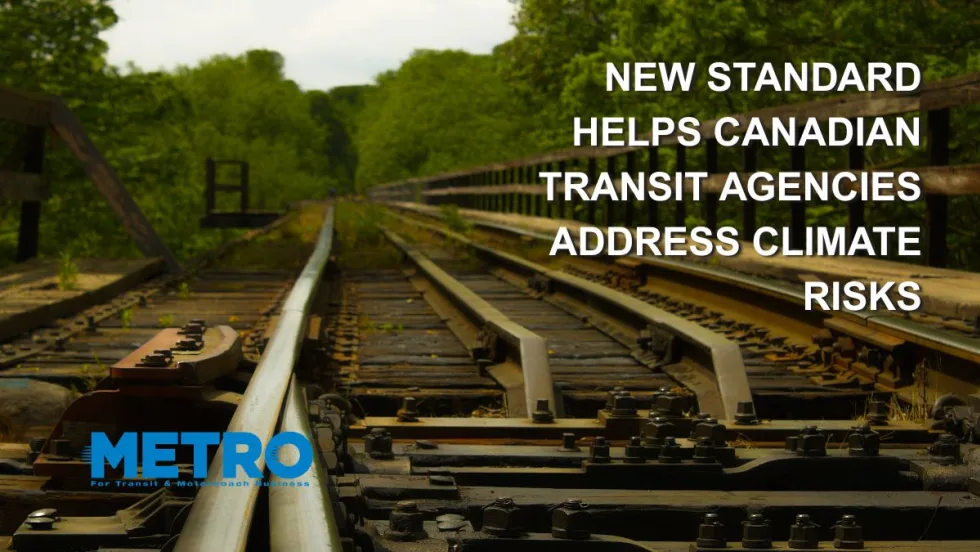
CSA Group Releases Climate Resilience Standard for Transit, Passenger Rail
Developed with support from the Standards Council of Canada, CSA D700 guides assessing climate-related risks and planning adaptation measures for transit and passenger rail systems.
Read More →
San Diego MTS Approves New Fare Evasion Penalty Program
The new administrative process will move eligible violations out of the criminal court system, cap penalties at $125, and provide flexible payment options for riders.
Read More →
RTC of Southern Nevada Reports 29% Drop in Transit Operator Assaults
The agency credits expanded security measures, employee training, and technology investments for improvements in transit safety, while security officers have responded to 19 suspected overdoses since July.
Read More →
Public Transit Conference Returning to GFX in 2027, Call for Papers Now Open
The Call for Papers is now open, allowing transit agency professionals and industry experts to help shape the PTC educational program by submitting session ideas for consideration.
Read More →
Safe Transit Act Proposes New Security Requirements for Federal Transit Funding
Proposed legislation would link federal transit dollars to safety measures while requiring security investments, onboard cameras, and new fare collection standards.
Read More →
FTA Ends Direct Oversight of MBTA Safety Actions
The federal agency closed its remaining special directive to the Massachusetts Department of Public Utilities following a safety review that began in 2022.
Read More →
Transit Agencies Highlight Safety Gains at National Summit
Leaders from 15 major transit systems shared crime-reduction results and safety initiatives while discussing the role of continued federal support.
Read More →
DART Launches Major Security, Fare Enforcement Initiative
The 90-day demonstration will deploy coordinated security teams at five light rail stations while testing controlled access and gathering data to guide future investments.
Read More →
RTD Launches NextRide App to Consolidate Trip Planning, Fares, Security Reporting
The app expands on RTD’s existing NextRide web application and allows customers to view real-time vehicle locations and service alerts, purchase and store digital fares, and access customer support.
Read More →