




Related: Feds propose new rules to protect bus passengers in rollover crashes
NTSB calls for survivability enhancements, event data recorders in coaches
The recommendations resulted from the investigation of the truck-motorcoach collision that resulted in 10 fatalities in Orland, Calif. in April 2014.
July 16, 2015
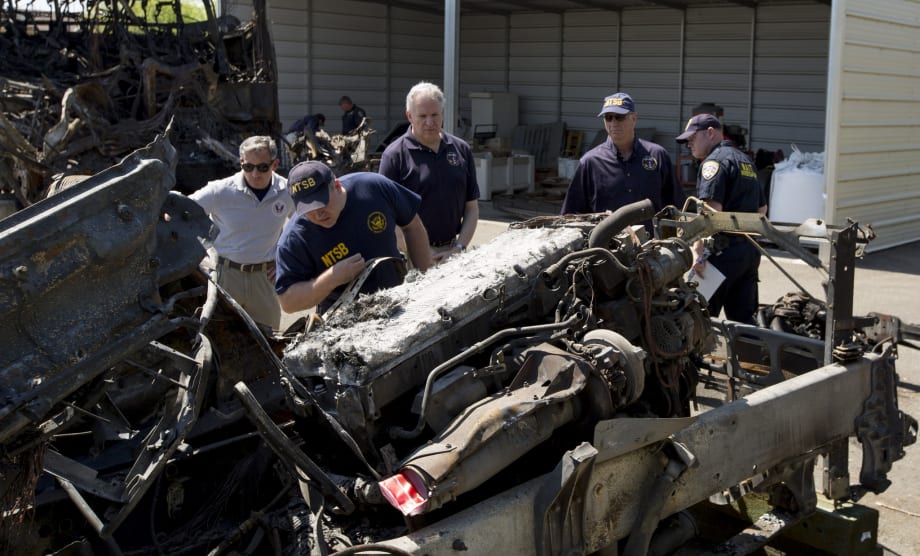
NTSB-Robert Accetta
3 min to read

The National Transportation Safety Board (NTSB) recommended motorcoach interiors be designed with improved flammability requirements as well as improved emergency exits, and that event data recorders be installed on commercial trucks and motorcoaches. The recommendations resulted from the investigation of the truck-motorcoach collision that resulted in 10 fatalities in Orland, Calif. in April 2014.
In the crash, a 2007 Volvo truck-tractor, operated by FedEx crossed a 58-foot-wide median, struck a 2013 Nissan Altima four-door passenger car and collided head-on with a 2014 Setra motorcoach. Both the truck and the motorcoach drivers were killed, along with eight motorcoach passengers. Thirty-seven motorcoach passengers and two occupants of the passenger car were injured.
Investigators were unable to determine why the truck crossed the median, but they ruled out truck and motorcoach driver experience, licensing and training, as well as alcohol and drug use, mechanical factors and weather as causes of the crash. Likewise, the agency found no evidence the driver was experiencing distraction, fatigue or that he intentionally crossed into opposing traffic.
“The investigation brought to light the difficulty of getting out of a burning motorcoach,” said NTSB Chairman Christopher Hart. “It is unacceptable for anyone who survives a crash to perish in a post-crash fire because the exits were too hard to find or too difficult to use.”
The investigation revealed inadequacies in the fire performance standards for commercial passenger vehicle interiors, Federal Motor Vehicle Safety Standard (FMVSS) 302. The flammability testing under FMVSS 302 involves a small-scale fire source, such as those that might be caused by matches or cigarettes — which differ drastically from the actual common causes of bus fires.
The NTSB also found neither the motorcoach driver who initiated the trip nor the relief driver gave a safety briefing or played the prerecorded safety briefing that the company had provided and many passengers struggled to locate and open the emergency exit windows. At least two passengers died because they could not exit the motorcoach before succumbing to asphyxiation due to inhaling smoke from the fire.
A

pre-trip safety briefing or a video about evacuation could have expedited the evacuation process and possibly saved lives and mitigated injuries. The NTSB also found the windows on the accident motorcoach, from which escaping passengers had to jump, were more than seven feet off the ground — higher than the wings of some airplanes — and did not have a mechanism to keep them open. NTSB concluded that current standards lack adequate requirements for emergency lighting and signage and reiterated several longstanding previous recommendations for standards that would require independently powered lighting fixtures, use of photo luminescent material to mark emergency exits and windows that remain open after being opened for emergency evacuations.
The board also concluded that having a secondary door for use as an emergency exit would expedite evacuations and reduce the potential for injuries caused by jumping from window exits.
Hart said that neither the truck-tractor nor the motorcoach had event data recorders, which impeded the investigation of the accident’s cause.
“With access to event data recorders, we might have been able to determine why the truck crossed the median, which could have enabled us to make recommendations to prevent it from happening again,” Hart said. “Much of the reason that aviation is so safe today is that we have required such recorders for decades so that we can learn the lessons of accidents. But they are still not required in commercial trucks or motorcoaches despite more than a decade of recommendations by the NTSB.”
As a result of the investigation, the NTSB issued safety recommendations regarding commercial passenger vehicles to the National Highway Traffic Safety Administration and the Federal Motor Carrier Safety Administration that address the fire performance standards; pre-trip safety briefings; improving vehicle design to facilitate evacuations; requiring the development of minimum performance standards for event data recorders in trucks and motorcoaches; and requiring them to be installed in these vehicles.
More Security and Safety
FRA Announces $5.3B in Rail Investments, Including $2B for Amtrak
Funding will support grade-crossing improvements, infrastructure upgrades, and new Amtrak equipment in 23 states.
Read More →
Chicago, Maryland Expand Non-Law-Enforcement Safety, Rider Support
The CTA and MTA are launching new programs aimed at de-escalation, crisis response, rider assistance, and greater transparency.
Read More →
LA Metro, City of West Hollywood, and Partners Advance Smarter Bus Lane Enforcement
The award-winning partnership combines AI-powered detection with human oversight to improve bus reliability, accessibility, and enforcement efficiency.
Read More →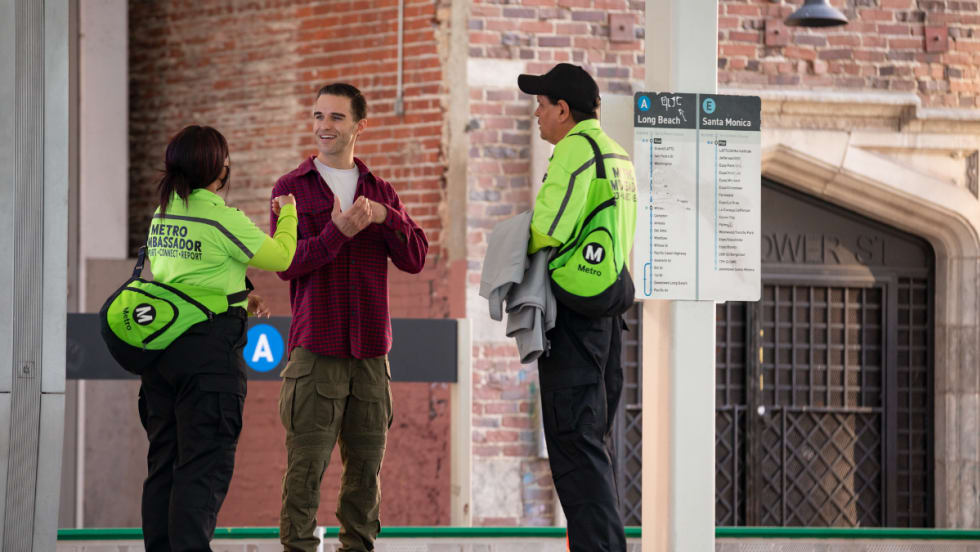
LA Metro Reports 57% Decline in Homelessness on Transit System Since 2024
The agency's latest homelessness count offers new data on how care-based services and cross-sector partnerships can complement traditional transit security strategies.
Read More →
FTA Launches 'Transit Moves America' Dashboard to Highlight Agency Safety and Performance
The online dashboard transforms National Transit Database information into a public-facing resource that allows users to compare transit agencies on key operational and safety metrics.
Read More →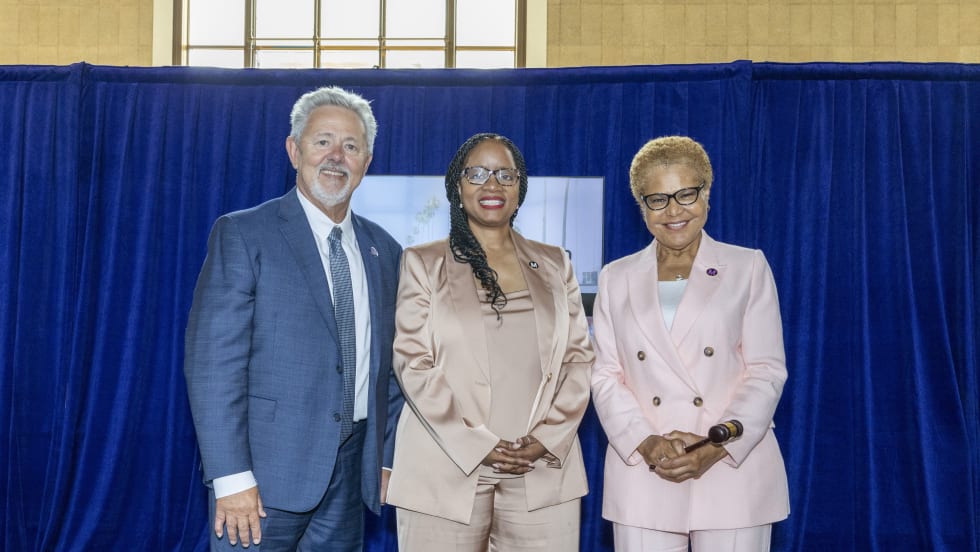
LA Metro Marks Banner Year, Sets Ambitious Goals for New Fiscal Year
Incoming LA Metro Board Chair and Los Angeles Mayor Karen Bass joined outgoing Board Chair Fernando Dutra and LA Metro CEO Stephanie Wiggins to review accomplishments from fiscal year 2026, which included the opening of new rail extensions, advancement of major transit projects, expanded safety programs, and new rider amenities.
Read More →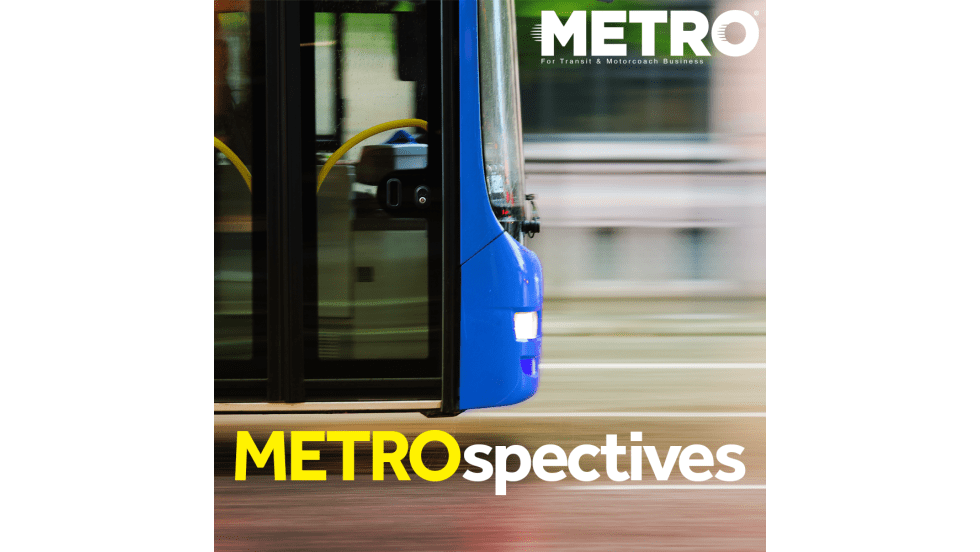
Building the Next Generation of Transit Technology
In this edition of METROspectives, Luminator CEO Magnus Friberg discusses the company's transformation, the growing role of AI and software, and what's next for transit technology.
Read More →
TTC Launches Camera Pilot to Curb Illegal Passing of Streetcars
During the pilot, the cameras will measure how often illegal streetcar passing occurs and test the technology's reliability for future automated enforcement.
Read More →
Biz Briefs: Masabi Teams with St. Louis Metro and More
In METRO's latest installment, we take a look at recent news from Transdev, Hitachi, and more partnerships making headlines across the transportation sector.
Read More →
Metra Begins Drone Pilot Project to Boost Safety and Security
The project is funded through a $620,000 grant from FEMA’s Transit Security Grant Program, which provides transit agencies with funding for projects intended to protect critical transportation infrastructure and the traveling public.
Read More →