




Related: Reinforcing Safety to Prevent Crossing Incidents
FRA urges states to verify traffic lights connected to crossings function correctly
The agency also urged states to add event recorders to traffic lights connected to railroad crossing systems so information obtained during inspections can be used to improve safety.
February 18, 2016
Casey Jones
3 min to read
Casey Jones
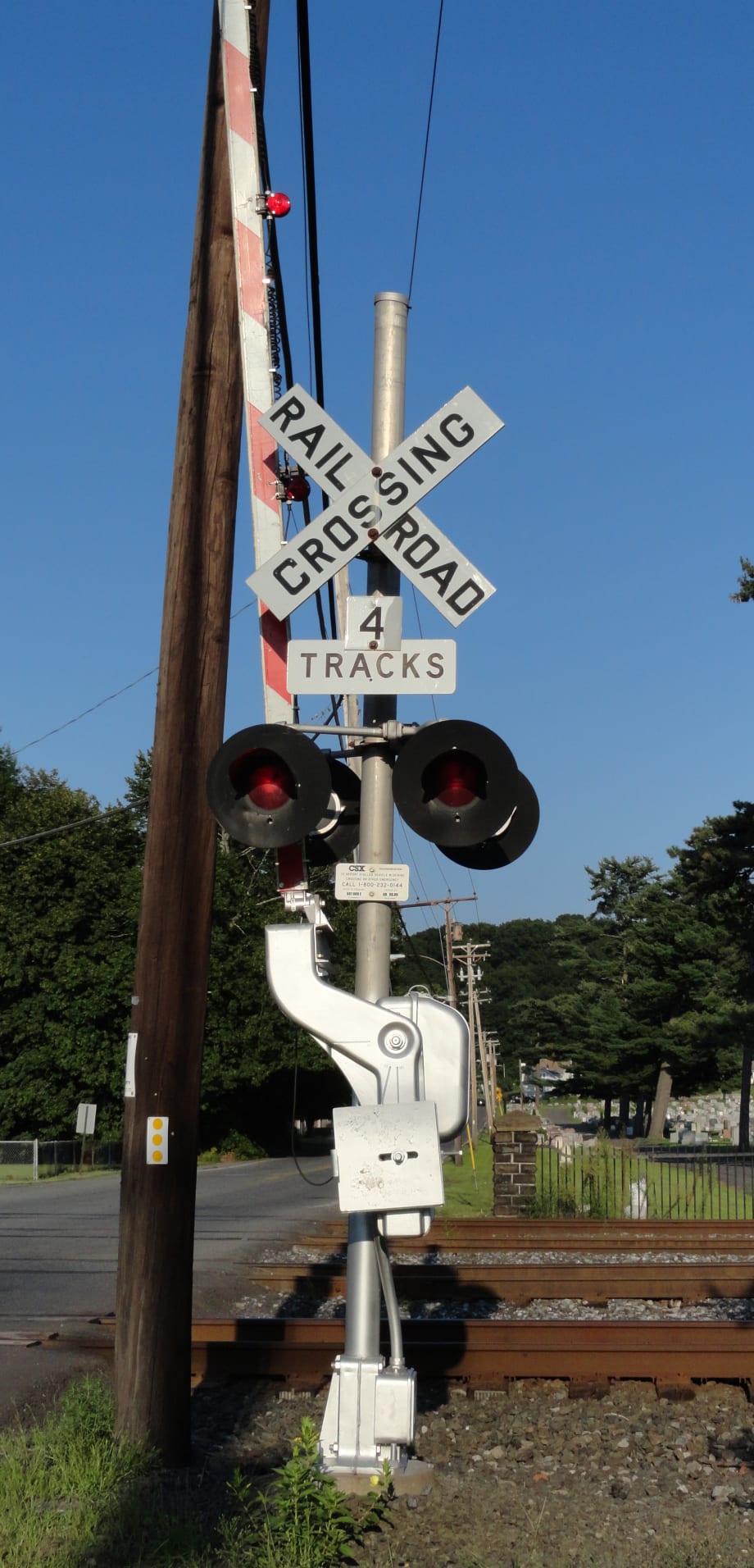
The Federal Railroad Administration (FRA) called on state departments of transportation to verify that railroad crossing warning systems interconnected to traffic lights function properly. The agency also urged states to add event recorders to traffic lights connected to railroad crossing systems so information obtained during inspections can be used to improve safety.
Across the U.S., there are nearly 5,000 railroad crossings interconnected with traffic lights.
“Reducing fatalities at railroad crossings is an achievable goal. But we can only achieve it if federal, state and local governments work together with railroads to verify that these crossings connected to traffic lights work properly,” said U.S. Transportation Secretary Anthony Foxx.
“I have made improving railroad crossing safety a top priority of mine because I know that we can and must do better,” FRA Administrator Sarah E. Feinberg wrote in a letter to the heads of state departments of transportation across the country. “But the Federal Railroad Administration cannot solve this problem on its own. Unless we work closely with state and local officials, law enforcement, railroads and transportation officials, and other stakeholders, we will not have the impact we are striving for and we will not save as many lives. But working together, I know we can do more to prevent these incidents.”
While railroads are required to inspect lights and gates at railroad crossings monthly, FRA has urged states before — and is doing again in a letter with an attached safety advisory — to have traffic experts periodically join railroads on those inspections. During those joint inspections, traffic experts and railroads should verify that the traffic lights and crossing lights are properly sequenced and enough time is provided for traffic to clear from a nearby intersection before a train enters a crossing.
“Simply put: We strongly recommend that state and local transportation officials, together with railroad officials, visit crossings in their region and monitor and test crossing signals and adjacent traffic signals to ensure that the signals are synced and operating properly,” Feinberg wrote.
Last year, FRA launched a new, comprehensive campaign to reverse the recent uptick in railroad crossing fatalities. The campaign includes partnering with Google and other tech companies to use FRA data that pinpoints the country’s 200,000 railroad crossings to add visual and audio alerts to map applications. FRA has also worked with local police to increase enforcement around railroad crossings.
In 2010, the FRA reminded states across the country in a safety advisory of the importance of ensuring that railroad crossing systems and traffic signal systems are coordinated with each other and work properly to control traffic flow at and near railroad crossings. Safety has always been paramount since FRA’s establishment in 1966. While the number of incidents, deaths and injuries has declined since then, FRA remains committed to reducing the annual number of crossing fatalities to zero.
More Security and Safety
CSA Group Releases Climate Resilience Standard for Transit, Passenger Rail
Developed with support from the Standards Council of Canada, CSA D700 guides assessing climate-related risks and planning adaptation measures for transit and passenger rail systems.
Read More →
San Diego MTS Approves New Fare Evasion Penalty Program
The new administrative process will move eligible violations out of the criminal court system, cap penalties at $125, and provide flexible payment options for riders.
Read More →
RTC of Southern Nevada Reports 29% Drop in Transit Operator Assaults
The agency credits expanded security measures, employee training, and technology investments for improvements in transit safety, while security officers have responded to 19 suspected overdoses since July.
Read More →
Public Transit Conference Returning to GFX in 2027, Call for Papers Now Open
The Call for Papers is now open, allowing transit agency professionals and industry experts to help shape the PTC educational program by submitting session ideas for consideration.
Read More →
Safe Transit Act Proposes New Security Requirements for Federal Transit Funding
Proposed legislation would link federal transit dollars to safety measures while requiring security investments, onboard cameras, and new fare collection standards.
Read More →
FTA Ends Direct Oversight of MBTA Safety Actions
The federal agency closed its remaining special directive to the Massachusetts Department of Public Utilities following a safety review that began in 2022.
Read More →
Transit Agencies Highlight Safety Gains at National Summit
Leaders from 15 major transit systems shared crime-reduction results and safety initiatives while discussing the role of continued federal support.
Read More →
DART Launches Major Security, Fare Enforcement Initiative
The 90-day demonstration will deploy coordinated security teams at five light rail stations while testing controlled access and gathering data to guide future investments.
Read More →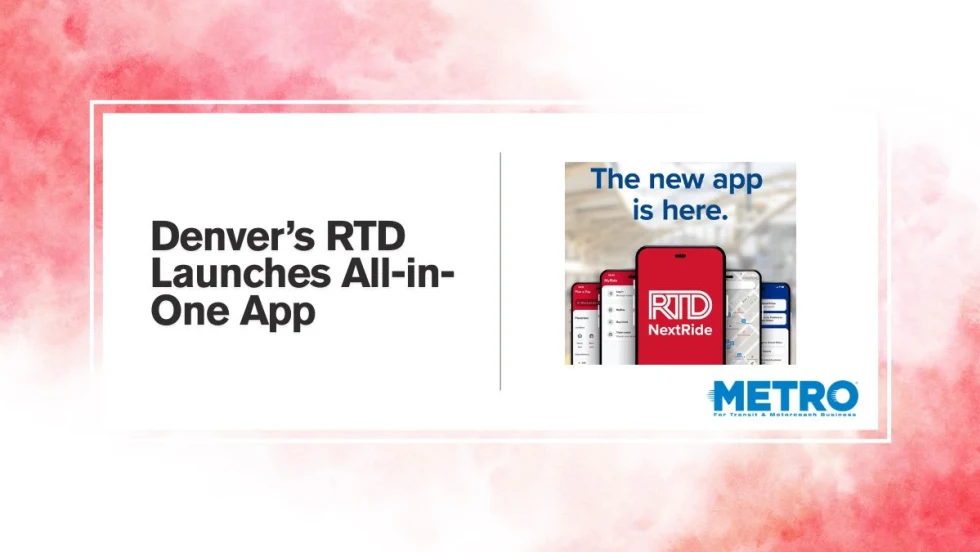
RTD Launches NextRide App to Consolidate Trip Planning, Fares, Security Reporting
The app expands on RTD’s existing NextRide web application and allows customers to view real-time vehicle locations and service alerts, purchase and store digital fares, and access customer support.
Read More →
TAPTCO Updates OSHA Compliance Training for Transit Maintenance Operations
The revamped program addresses 26 OSHA standards for maintenance facilities, with TAPTCO pointing to training, documentation, and everyday shop hazards as continuing challenges for transit operations.
Read More →