




Related: Agencies adopt FRA's system for reporting close calls
Chicago's Metra expands Confidential Close Call Reporting System
Will now include unions that work in Metra’s mechanical, engineering and police departments. Metra is the first U.S. commuter railroad to have a Confidential Close Call Reporting System that includes every union involved in the railroad’s operations.
March 8, 2016
2 min to read
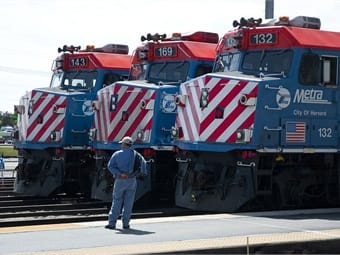
Representatives of the Federal Railroad Administration (FRA), Chicago Metra management and 10 unions announced a major expansion of the agency’s Confidential Close Call Reporting System (C3RS), giving Metra the most comprehensive safety reporting system of all commuter railroads in the nation.
The voluntary safety reporting system is designed to proactively address safety issues and create a more positive safety culture. It started at Metra last summer with unions that operate Metra trains and is now being expanded to include unions that work in Metra’s mechanical, engineering and police departments. Metra is the first U.S. commuter railroad to have a Confidential Close Call Reporting System that includes every union involved in the railroad’s operations.
“This announcement demonstrates Metra’s commitment to making safety our number one priority,” said Metra Executive Director/CEO Don Orseno. “It is significant that management and all 13 of Metra’s labor unions came together on this important and groundbreaking initiative. We share the common goal of making Metra the safest possible railroad.”
At a ceremony at Metra headquarters, labor, management and FRA officials signed a memorandum of understanding outlining their commitment to implementing the voluntary system.
According to the FRA, the system complements existing safety programs, builds a positive safety culture, creates an early warning system, focuses on problems instead of people, provides an incentive for learning from errors and targets the root cause of an issue, not the symptom.
Under the system, employees can confidentially report “close calls” — such as safety concerns or violations of operating rules — without facing sanctions from Metra or the FRA. The goal is to collect data about close calls that otherwise would have gone unreported or underreported and to use that data to identify safety hazards and take steps to correct them before an accident occurs. Those corrective steps could include new or better training, physical changes, changes to safety rules or changes to operating rules.
To maintain confidentiality, the close calls are reported to a third party, the National Aeronautics and Space Administration (NASA), which removes any information about the incidents that could lead to the identification of the employee. NASA compiles the data and then forwards it for analysis by a peer review team of labor, Metra management and FRA representatives, which recommends corrective action. NASA also monitors trends across railroads and shares results.
“There have been 130 confidential calls made to the program since it started at Metra,” Orseno said. “Since we implemented C3RS last year, we’ve seen a reduction in the number of workplace injuries and lost time on the job.”
More Security and Safety

Transit Agencies Highlight Safety Gains at National Summit
Leaders from 15 major transit systems shared crime-reduction results and safety initiatives while discussing the role of continued federal support.
Read More →
DART Launches Major Security, Fare Enforcement Initiative
The 90-day demonstration will deploy coordinated security teams at five light rail stations while testing controlled access and gathering data to guide future investments.
Read More →
RTD Launches NextRide App to Consolidate Trip Planning, Fares, Security Reporting
The app expands on RTD’s existing NextRide web application and allows customers to view real-time vehicle locations and service alerts, purchase and store digital fares, and access customer support.
Read More →
TAPTCO Updates OSHA Compliance Training for Transit Maintenance Operations
The revamped program addresses 26 OSHA standards for maintenance facilities, with TAPTCO pointing to training, documentation, and everyday shop hazards as continuing challenges for transit operations.
Read More →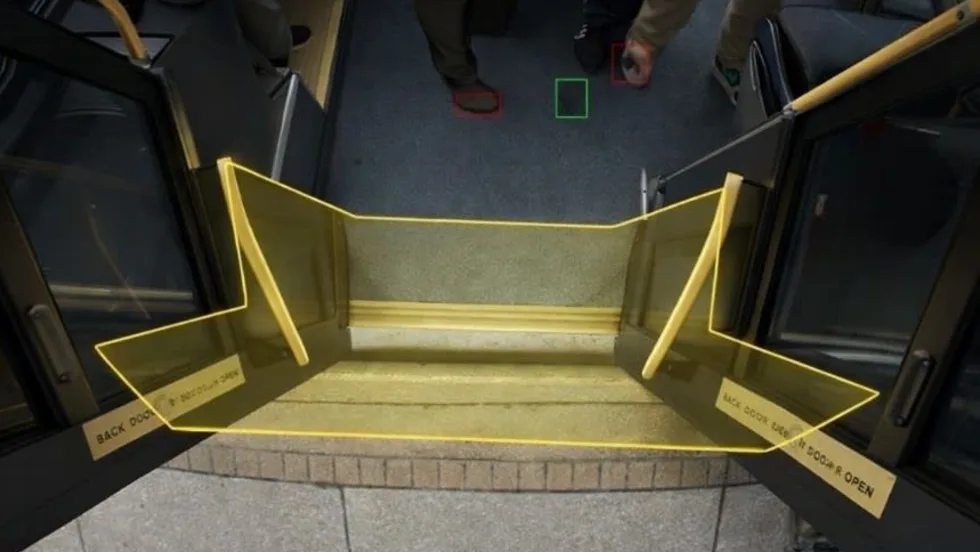
Sponsored•August 18, 2026
How VaporVision Adds Value to Transit Door Systems
Wabtec engineers explain how the system improves doorway detection, strengthens diagnostics and gives transit agencies and OEMs greater operating flexibility.
Read More →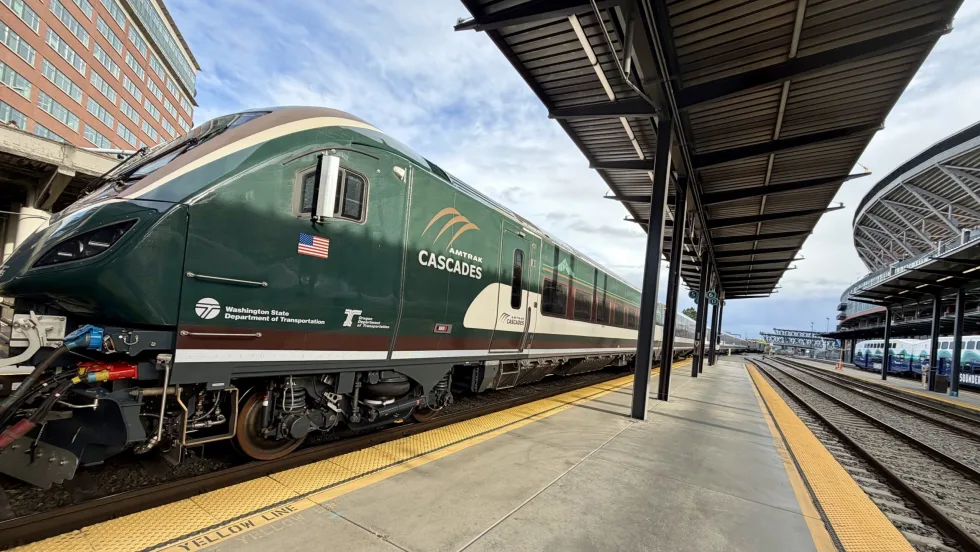
FRA Announces $5.3B in Rail Investments, Including $2B for Amtrak
Funding will support grade-crossing improvements, infrastructure upgrades, and new Amtrak equipment in 23 states.
Read More →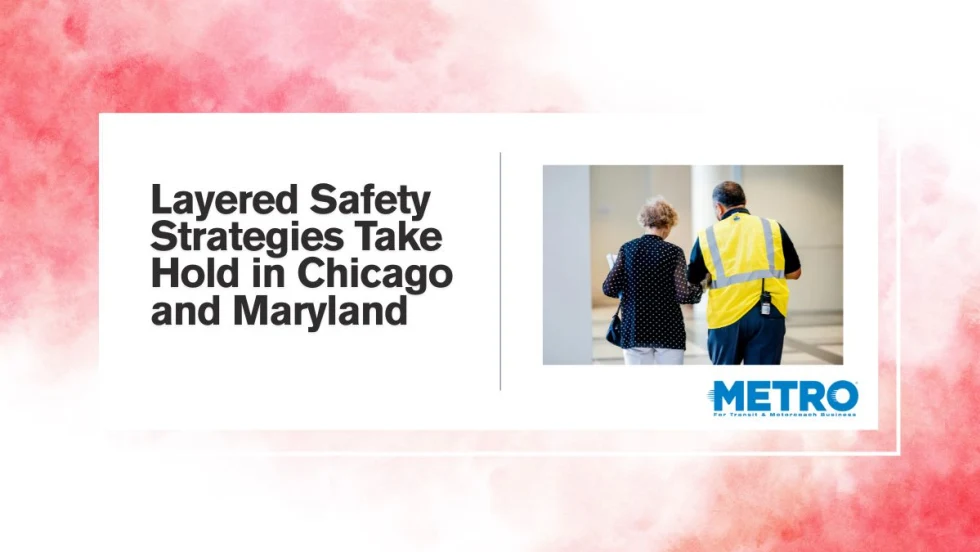
Chicago, Maryland Expand Non-Law-Enforcement Safety, Rider Support
The CTA and MTA are launching new programs aimed at de-escalation, crisis response, rider assistance, and greater transparency.
Read More →
LA Metro, City of West Hollywood, and Partners Advance Smarter Bus Lane Enforcement
The award-winning partnership combines AI-powered detection with human oversight to improve bus reliability, accessibility, and enforcement efficiency.
Read More →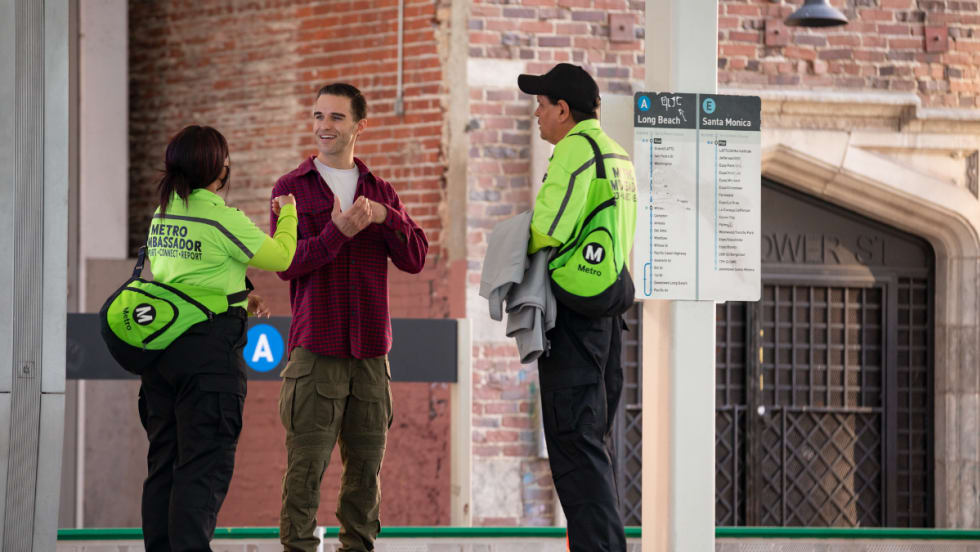
LA Metro Reports 57% Decline in Homelessness on Transit System Since 2024
The agency's latest homelessness count offers new data on how care-based services and cross-sector partnerships can complement traditional transit security strategies.
Read More →
FTA Launches 'Transit Moves America' Dashboard to Highlight Agency Safety and Performance
The online dashboard transforms National Transit Database information into a public-facing resource that allows users to compare transit agencies on key operational and safety metrics.
Read More →