



DC Metro GM outlines additional safety actions
Following the derailment at East Falls Church, Wiedefeld ordered a new round of inspections for all interlockings conducted by rail maintenance supervisors with track engineers participating.

DC Metro GM/CEO Paul J. Wiedefeld today announced that additional weekend closures may be included in the SafeTrack schedule to address issues identified following the East Falls Church derailment, and provided an update on steps taken to improve Metro’s track inspection program.
“Safety trumps service, now more than ever at Metro. The SafeTrack program is intended to make our tracks safe and reliable, and I have reinstructed the team to ensure we are addressing every issue out there, including interlockings,” Wiedefeld said. “I will continue to notify our riders of any service changes as quickly as possible, but we are not backing off of safety over service.”
Following the derailment at East Falls Church, Wiedefeld ordered a new round of inspections for all interlockings conducted by rail maintenance supervisors with track engineers participating. Those inspections have identified several interlockings that require work. As a result, SafeTrack Surge #7 now includes a complete shutdown this weekend between Grosvenor and Shady Grove Stations so the interlocking at Twinbrook can be repaired. The track maintenance team is reviewing the remaining SafeTrack schedule and will consider additional weekend shutdowns during Surges 8 -15 to address conditions identified by the latest inspections.
In addition, Metro is taking several steps to improve track safety, specifically in the areas of inspection and training of personnel:
Awarded contract in July 2016 for engineering consultants to conduct a complete asset inventory – essentially examine the entire rail system and have an outside expert review all track conditions.
Awarded contract in August 2016 for outside experts will rewrite the track inspection manual.
Contract to be awarded soon for a complete overhaul of the track inspection training program. Over the next 10 months the curriculum will be rewritten, Metro trainers will receive instruction, and then Metro’s program will be audited by the experts.
Next month, while this larger training overhaul is underway, expert trainers from the University of Tennessee’s Center of Transportation Research will visit Metro to conduct two weeks of intensive training for track inspectors to improve their ability to identify and categorize track defects. The University of Tennessee has 25 years of experience in railroad training and its courses meet Federal Railroad Administration (FRA) standards.
More Security and Safety

Transit Agencies Highlight Safety Gains at National Summit
Leaders from 15 major transit systems shared crime-reduction results and safety initiatives while discussing the role of continued federal support.
Read More →
DART Launches Major Security, Fare Enforcement Initiative
The 90-day demonstration will deploy coordinated security teams at five light rail stations while testing controlled access and gathering data to guide future investments.
Read More →
RTD Launches NextRide App to Consolidate Trip Planning, Fares, Security Reporting
The app expands on RTD’s existing NextRide web application and allows customers to view real-time vehicle locations and service alerts, purchase and store digital fares, and access customer support.
Read More →

TAPTCO Updates OSHA Compliance Training for Transit Maintenance Operations
The revamped program addresses 26 OSHA standards for maintenance facilities, with TAPTCO pointing to training, documentation, and everyday shop hazards as continuing challenges for transit operations.
Read More →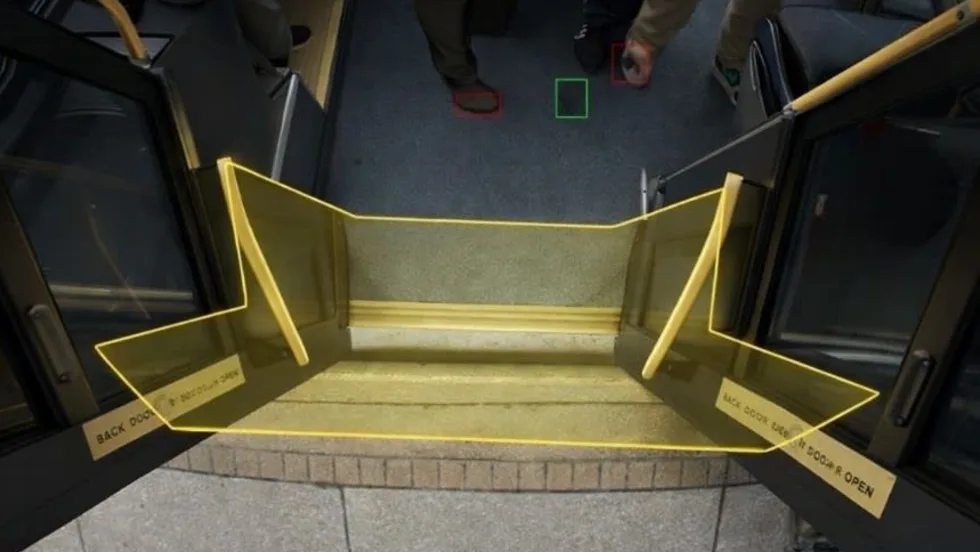
How VaporVision Adds Value to Transit Door Systems
Wabtec engineers explain how the system improves doorway detection, strengthens diagnostics and gives transit agencies and OEMs greater operating flexibility.
Read More →
FRA Announces $5.3B in Rail Investments, Including $2B for Amtrak
Funding will support grade-crossing improvements, infrastructure upgrades, and new Amtrak equipment in 23 states.
Read More →
Chicago, Maryland Expand Non-Law-Enforcement Safety, Rider Support
The CTA and MTA are launching new programs aimed at de-escalation, crisis response, rider assistance, and greater transparency.
Read More →
LA Metro, City of West Hollywood, and Partners Advance Smarter Bus Lane Enforcement
The award-winning partnership combines AI-powered detection with human oversight to improve bus reliability, accessibility, and enforcement efficiency.
Read More →
LA Metro Reports 57% Decline in Homelessness on Transit System Since 2024
The agency's latest homelessness count offers new data on how care-based services and cross-sector partnerships can complement traditional transit security strategies.
Read More →
FTA Launches 'Transit Moves America' Dashboard to Highlight Agency Safety and Performance
The online dashboard transforms National Transit Database information into a public-facing resource that allows users to compare transit agencies on key operational and safety metrics.
Read More →